Food Supply Chain Security: 3 Critical Updates in U.S. Essential Services Ensuring Availability and Stability in 2026.
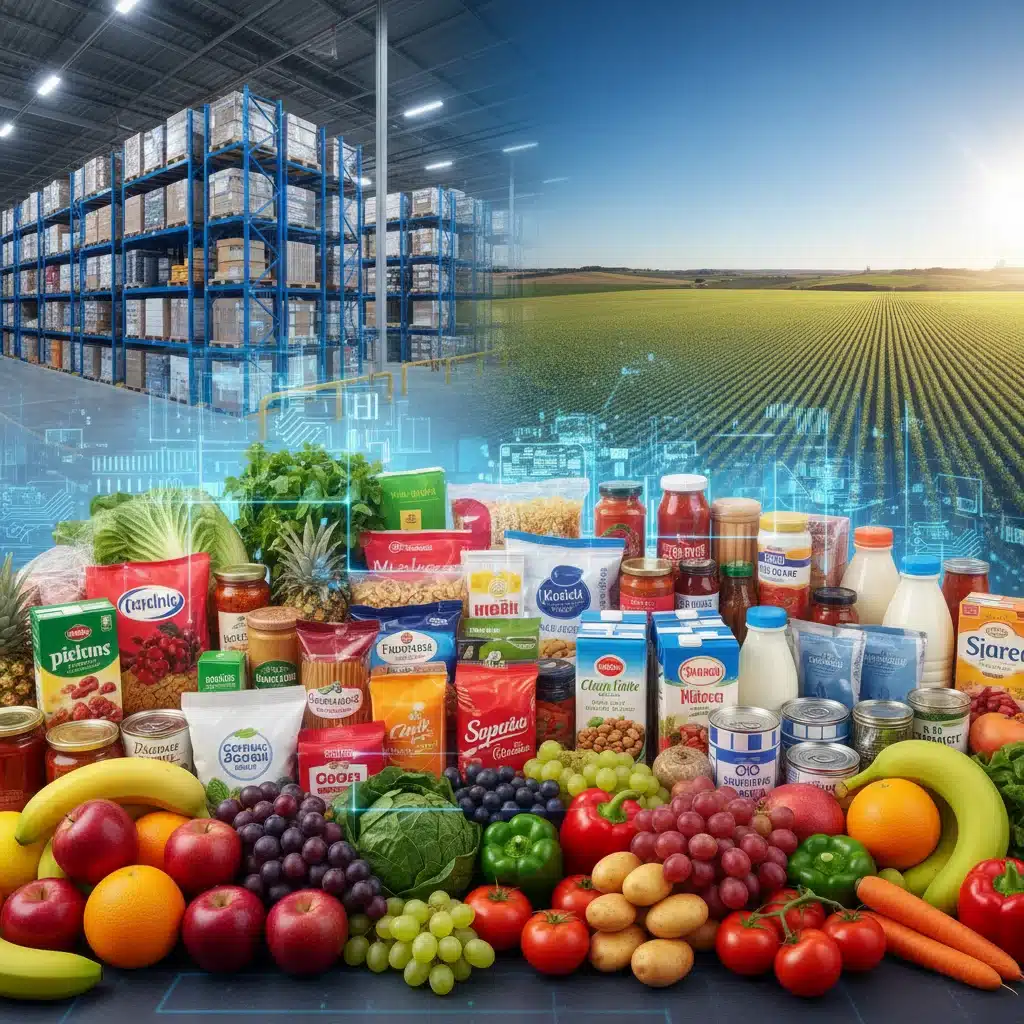
The intricate web that delivers food from farm to fork is arguably one of the most critical infrastructures in any nation. In the United States, the food supply chain is a marvel of modern logistics, yet it faces persistent and evolving threats ranging from natural disasters and climate change to cyberattacks and geopolitical instability. Ensuring robust Food Supply Security is not merely a matter of economic stability but a fundamental pillar of national security and public well-being. As we approach 2026, the U.S. government, alongside private industry stakeholders, has been diligently implementing significant updates to fortify this essential service. These updates are designed to enhance resilience, improve responsiveness, and ultimately guarantee the continued availability and stability of food for all Americans.
The challenges to Food Supply Security are multifaceted. Climate change, for instance, introduces unpredictable weather patterns that can devastate crops and disrupt transportation. Pests and diseases can wipe out entire harvests, while global pandemics highlight the fragility of just-in-time supply models. Furthermore, the increasing reliance on digital systems across the supply chain, from smart farms to automated warehouses, opens new vulnerabilities to cyber threats. Geopolitical tensions can impact trade routes, tariffs, and the availability of critical agricultural inputs. Addressing these complexities requires a comprehensive, multi-pronged approach that integrates technology, policy, and collaborative efforts across various sectors.
This article delves into three critical updates that are reshaping the landscape of U.S. Food Supply Security for 2026. These updates reflect a proactive stance, moving beyond reactive measures to establish a more resilient, adaptive, and stable food system. From advanced technological integrations to strengthened inter-agency cooperation and innovative private-sector partnerships, these initiatives are poised to make a substantial difference in safeguarding our food future. Understanding these changes is crucial for policymakers, industry leaders, and consumers alike, as they collectively contribute to a more secure and stable food environment. The goal is not just to prevent disruptions but to build a system that can absorb shocks and recover swiftly, ensuring that the shelves remain stocked and communities have access to nutritious food, even in the face of unforeseen adversities.
Update 1: Enhanced Data-Driven Supply Chain Visibility and Predictive Analytics
One of the most significant advancements in bolstering Food Supply Security is the dramatic improvement in data-driven supply chain visibility and the deployment of sophisticated predictive analytics. Historically, the food supply chain has been characterized by silos of information, making it difficult to gain a holistic view of potential disruptions or inefficiencies. This lack of transparency often led to delayed responses during crises, exacerbating issues of scarcity and price volatility. Recognizing this critical weakness, federal agencies, in collaboration with industry leaders, have invested heavily in creating integrated data platforms and leveraging artificial intelligence (AI) and machine learning (ML) to provide real-time insights.
The Power of Integrated Data Platforms
The core of this update is the development of a national, interoperable data platform designed to aggregate information from various points across the food supply chain. This includes data from farms (e.g., crop yields, weather patterns, pest outbreaks), processing plants (e.g., inventory levels, production schedules, quality control), transportation networks (e.g., shipping routes, vehicle locations, fuel availability), and retail outlets (e.g., sales data, consumer demand, stock levels). By integrating these disparate data sources, stakeholders can access a comprehensive, near real-time overview of the entire system. This enhanced visibility allows for quicker identification of bottlenecks, potential shortages, or emerging threats.
For example, if a severe weather event is predicted in a major agricultural region, the platform can immediately assess the potential impact on specific crops, processing facilities, and transportation routes. This allows for proactive measures, such as rerouting shipments, activating alternative suppliers, or pre-positioning resources, thereby minimizing disruption to Food Supply Security. The platform also incorporates data from international sources, providing early warnings about global supply shocks that could affect U.S. food imports or exports.
The benefits extend beyond crisis management. Predictive analytics can also optimize resource allocation, reduce waste, and improve overall efficiency. By understanding future demand and supply dynamics, producers can make more informed decisions about planting, harvesting, and processing, leading to a more stable and sustainable food system. This proactive approach marks a significant shift from reactive problem-solving to anticipatory risk management, fundamentally strengthening the nation’s Food Supply Security.
Update 2: Fortified Cyber-Physical Security for Agricultural and Processing Infrastructure
The increasing digitalization of the food supply chain, while offering immense benefits in efficiency and visibility, also introduces new vulnerabilities. Agricultural and food processing infrastructure, from automated irrigation systems and smart greenhouses to sophisticated processing plants and cold storage facilities, are increasingly reliant on interconnected operational technology (OT) and information technology (IT) systems. A successful cyberattack on any of these critical points could have catastrophic consequences, disrupting production, compromising food safety, or even causing physical damage, thereby directly impacting Food Supply Security.
Integrating Cyber and Physical Security Measures
Recognizing this growing threat, a major update for 2026 involves the comprehensive fortification of cyber-physical security across the entire food infrastructure. This isn’t just about patching software; it’s about a holistic approach that integrates cybersecurity protocols with physical security measures, creating a layered defense system. This includes:
- Enhanced Network Segmentation: Isolating critical OT systems from broader IT networks to prevent lateral movement of attackers.
- Robust Access Controls: Implementing multi-factor authentication and strict identity management for all digital and physical access points.
- Continuous Monitoring and Threat Detection: Deploying advanced intrusion detection systems, AI-powered anomaly detection, and security information and event management (SIEM) solutions to monitor networks and physical perimeters 24/7.
- Regular Vulnerability Assessments and Penetration Testing: Proactively identifying and addressing weaknesses in systems before they can be exploited by malicious actors.
- Employee Training and Awareness Programs: Educating personnel on cybersecurity best practices, phishing awareness, and physical security protocols, as human error remains a significant vulnerability.
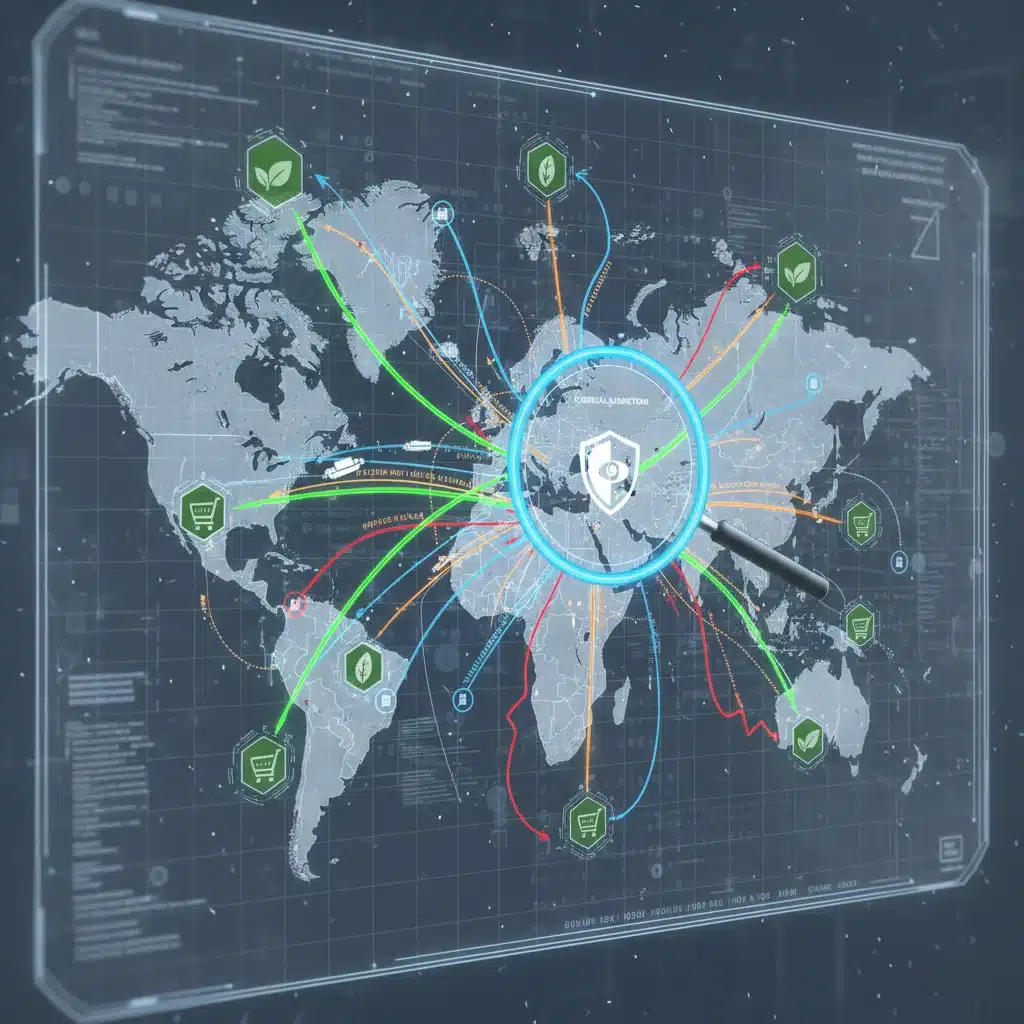
Furthermore, there’s a push for mandatory reporting of cyber incidents, enabling faster response and better intelligence sharing across the sector. Government-led initiatives are also providing resources and expertise to smaller and medium-sized enterprises (SMEs) within the food sector, which often lack the resources to implement robust security measures independently. This includes subsidized security audits, training programs, and access to threat intelligence feeds. The goal is to raise the baseline security posture across the entire industry, creating a more resilient ecosystem that can withstand sophisticated attacks.
Resilience Planning and Incident Response
Beyond prevention, a key aspect of this update is the development of robust resilience planning and incident response capabilities. This includes:
- Redundancy and Backup Systems: Ensuring that critical systems have failovers and backups to minimize downtime in case of a cyberattack or physical disruption.
- Contingency Plans: Establishing clear protocols for manual operations in the event of automated system failures.
- Collaborative Incident Response Teams: Forming joint public-private sector teams that can rapidly respond to and recover from cyber-physical incidents, sharing information and coordinating efforts to restore operations swiftly and maintain Food Supply Security.
- Supply Chain Mapping and Diversification: Identifying alternative suppliers and transportation routes to mitigate the impact of localized disruptions.
By treating cyber-physical security as a continuous process of improvement and adaptation, the U.S. aims to significantly reduce the risk of major disruptions to its food supply, ensuring that essential services remain operational and the flow of food remains uninterrupted, even in the face of evolving threats.
Update 3: Strengthening Regional Food Systems and Local Resilience Hubs
While national and global supply chains are essential for scale and variety, the vulnerabilities exposed by recent crises have highlighted the critical importance of regional and local food systems in ensuring overall Food Supply Security. Over-reliance on distant, centralized production and distribution centers can create single points of failure, making the entire system susceptible to localized disruptions. The third critical update for 2026 focuses on intentionally strengthening regional food systems and establishing local resilience hubs to complement the broader national network.
Investment in Local and Regional Food Infrastructure
This update involves significant investment and policy support aimed at bolstering local and regional food infrastructure. This includes:
- Support for Small and Mid-Sized Farms: Providing financial incentives, technical assistance, and market access programs to help smaller farms thrive and increase their production capacity. This diversifies the agricultural landscape and reduces reliance on a few mega-farms.
- Development of Regional Processing Facilities: Addressing the decline in local and regional food processing capabilities is crucial. New investments are being made in small and medium-scale slaughterhouses, dairies, grain mills, and other processing facilities. This reduces the need to transport raw materials long distances for processing, shortening supply chains and making them more resilient.
- Expansion of Farmers’ Markets, CSAs, and Food Hubs: These direct-to-consumer and direct-to-institution models reduce reliance on large distributors and create more direct connections between producers and consumers. Food hubs, in particular, serve as aggregation, processing, and distribution centers for locally sourced food, strengthening regional networks.
- Improved Local Storage and Distribution Networks: Investing in cold storage, warehousing, and transportation infrastructure at the regional level ensures that locally produced food can be efficiently stored and distributed within a community, even if larger national supply lines are disrupted.
These hubs are designed to be flexible and scalable, capable of supporting routine local food systems while also serving as critical nodes for emergency response. They foster community engagement and empower local populations to play a more active role in their own Food Supply Security.
Policy and Regulatory Frameworks for Local Resilience
To support the growth of regional food systems, new policy and regulatory frameworks are being developed. These include:
- Streamlined Regulations: Adjusting food safety and inspection regulations to better accommodate smaller-scale producers and processors, without compromising public health.
- Procurement Policies: Encouraging government institutions (schools, hospitals, military bases) to prioritize sourcing food from local and regional producers, providing a stable market for these businesses.
- Disaster Preparedness Grants: Allocating federal and state grants specifically for projects that enhance regional food system resilience and emergency preparedness.
By fostering a balanced approach that combines the efficiencies of large-scale national systems with the resilience of robust local networks, the U.S. is creating a more adaptive and secure food supply that can better withstand a wider range of shocks, ensuring consistent food availability for all communities.
The Broader Impact on U.S. Food Supply Security by 2026
These three critical updates—enhanced data-driven visibility, fortified cyber-physical security, and strengthened regional food systems—represent a significant paradigm shift in how the U.S. approaches Food Supply Security. The cumulative effect of these initiatives is expected to create a food system that is not only more efficient but also profoundly more resilient and adaptable to the myriad challenges of the 21st century. The year 2026 is poised to mark a turning point, where the benefits of these strategic investments become tangibly evident across the nation.
Increased Resilience to Disruptions
The most immediate and impactful outcome will be a marked increase in the food supply chain’s resilience to various forms of disruption. With integrated data platforms and predictive analytics, the ability to anticipate and mitigate potential issues—whether from extreme weather, pest outbreaks, or logistical bottlenecks—will be dramatically improved. This proactive stance reduces the severity and duration of supply chain shocks, ensuring that shelves remain stocked and consumers have consistent access to food. The fortified cyber-physical security measures will act as a critical shield against malicious attacks, preventing the paralysis of essential infrastructure and safeguarding food integrity. Meanwhile, robust regional food systems will provide crucial localized buffers, ensuring that even if national supply lines face severe challenges, communities can still access food from nearby sources, mitigating the impact of widespread disruptions and enhancing overall Food Supply Security.
Enhanced Transparency and Trust
The move towards greater data visibility will also foster enhanced transparency throughout the food supply chain. Consumers will increasingly have access to information regarding the origin, journey, and safety of their food, building greater trust in the system. This transparency can also empower businesses to make more ethical and sustainable choices, aligning with growing consumer demand for responsibly sourced products. For industry players, better data means better decision-making, leading to optimized operations, reduced waste, and improved profitability, all contributing to a more stable food environment. This increased transparency is a cornerstone of a robust Food Supply Security strategy.
Economic Stability and Growth
A secure and stable food supply chain is a fundamental driver of economic stability and growth. By minimizing disruptions and ensuring consistent availability, these updates will help stabilize food prices, protect agricultural livelihoods, and support the broader economy. Investments in regional food systems, in particular, will stimulate local economies, create jobs, and foster innovation in sustainable agricultural practices. Furthermore, a resilient food supply chain reduces the economic burden of emergency response and recovery efforts, freeing up resources for other critical national priorities. The long-term economic benefits of a robust Food Supply Security framework are substantial, extending far beyond the immediate food sector.
Improved Public Health and Equity
Ultimately, the goal of Food Supply Security is to ensure that all individuals have access to safe, nutritious, and affordable food. By strengthening the supply chain, these updates will contribute to improved public health outcomes, especially for vulnerable populations. Reduced food waste, more efficient distribution, and localized sourcing can help address food deserts and improve food access in underserved communities. The ability to rapidly respond to food safety issues, thanks to better data and security, will also protect public health by preventing contaminated products from reaching consumers. These efforts underscore the social equity dimension of food security, striving for a system that serves everyone.
Future-Proofing the Food System
Looking beyond 2026, these updates lay the groundwork for a truly future-proof food system. They establish a dynamic framework that can adapt to unforeseen challenges, integrate new technologies, and respond to evolving societal needs. The continuous improvement in data analytics, the constant vigilance against cyber threats, and the ongoing development of local capacities will ensure that the U.S. food supply remains robust and reliable for generations to come. This proactive and holistic approach to Food Supply Security is not just about managing current risks; it’s about building a sustainable and resilient foundation for the future of food in America.
Conclusion: A More Resilient and Secure Food Future
The journey towards an impregnable Food Supply Security in the United States is an ongoing endeavor, but the critical updates slated for full implementation by 2026 represent a monumental leap forward. The synergy between enhanced data-driven visibility, fortified cyber-physical security for critical infrastructure, and the strategic bolstering of regional food systems creates a multi-layered defense against the myriad threats facing our food supply. These initiatives are not merely theoretical; they are tangible, actionable strategies that are already being woven into the fabric of the nation’s food ecosystem.
The vision for 2026 is a food supply chain that is significantly more transparent, allowing for real-time monitoring and proactive intervention. It is a system that is digitally and physically hardened against both state-sponsored and opportunistic attacks, protecting the integrity of our food from farm to table. Furthermore, it is a system that recognizes the inherent value of localized resilience, empowering communities to feed themselves even when broader networks face strain. This comprehensive approach ensures that the availability and stability of essential food services are not left to chance but are actively cultivated and protected through strategic investment and collaborative effort.
For consumers, these updates translate into greater confidence in the safety, quality, and consistent availability of food. For businesses, they mean a more predictable operating environment, reduced risks, and new opportunities for innovation within a more secure framework. For the nation as a whole, a robust Food Supply Security underpins national stability, public health, and economic prosperity. As we move closer to 2026, the commitment to these critical updates underscores a national resolve to safeguard one of our most fundamental needs, ensuring a resilient and secure food future for all Americans.