Essential Services Cybersecurity 2026: Protecting Critical Infrastructure from Evolving Threats
Essential Services Cybersecurity in 2026: Protecting Critical Infrastructure from Evolving Threats
In an increasingly interconnected world, the resilience of our societies hinges on the uninterrupted functioning of essential services. From power grids and water treatment plants to healthcare systems and financial networks, these critical infrastructures are the bedrock of modern life. However, as technology advances, so too do the sophistication and frequency of cyber threats targeting these vital systems. By 2026, the landscape of Critical Infrastructure Cybersecurity will have evolved significantly, presenting both formidable challenges and innovative solutions.
The concept of ‘essential services’ encompasses a broad spectrum of sectors whose disruption or destruction would have a debilitating impact on national security, economic stability, public health, or safety. These include:
- Energy (electricity, oil, gas)
- Water and Wastewater Systems
- Healthcare and Public Health
- Communications
- Financial Services
- Transportation Systems
- Government Facilities
- Chemical, Nuclear, and Hazardous Materials
- Manufacturing
Each of these sectors presents unique vulnerabilities and requires tailored cybersecurity strategies. The stakes could not be higher. A successful cyberattack on a power grid could plunge entire regions into darkness, a breach in a healthcare system could compromise sensitive patient data and disrupt life-saving services, and an attack on financial networks could trigger economic chaos. Understanding the evolving threat landscape and implementing robust Critical Infrastructure Cybersecurity measures is not merely a technical exercise; it is a national security imperative.
The Evolving Threat Landscape for Critical Infrastructure Cybersecurity in 2026
By 2026, cyber threats will be more pervasive, complex, and targeted than ever before. State-sponsored actors, sophisticated criminal organizations, and even hacktivist groups will continue to refine their tactics, techniques, and procedures (TTPs). Several key trends will define this evolving threat landscape:
Advanced Persistent Threats (APTs) and Nation-State Attacks
Nation-state actors will remain a primary concern for Critical Infrastructure Cybersecurity. These groups possess significant resources, expertise, and a long-term strategic outlook, often aiming for espionage, sabotage, or intellectual property theft. Their attacks are characterized by their stealth, persistence, and ability to evade detection over extended periods. In 2026, we can expect to see more sophisticated supply chain attacks, where adversaries compromise trusted software or hardware vendors to gain access to critical infrastructure operators. This method allows attackers to bypass traditional perimeter defenses and embed malicious code deep within systems.
Ransomware 2.0 and Extortion Campaigns
While ransomware has been a significant threat for years, by 2026, it will have evolved into ‘Ransomware 2.0’. This new generation will move beyond mere data encryption to include data exfiltration, double extortion (threatening to release data if the ransom isn’t paid), and even triple extortion (adding DDoS attacks or direct threats to customers/partners). For critical infrastructure, the impact of ransomware can be catastrophic, leading to operational shutdowns, safety risks, and immense financial pressure. The focus will shift from purely financial gain to disruption and destabilization, especially when targeting essential services.
Operational Technology (OT) and Industrial Control Systems (ICS) Specific Threats
The convergence of Information Technology (IT) and Operational Technology (OT) networks continues to be a major vulnerability. OT systems, which control industrial processes, were historically isolated but are now increasingly connected to IT networks for efficiency and remote management. This connectivity exposes them to IT-borne threats. Attackers will continue to exploit vulnerabilities in legacy OT systems, which often lack modern security controls, and leverage specialized malware designed to disrupt industrial processes. The Stuxnet attack was a harbinger of this threat, and by 2026, similar, more advanced attacks will be a constant concern for Critical Infrastructure Cybersecurity.
Artificial Intelligence (AI) and Machine Learning (ML) in Cyberattacks
AI and ML, while powerful tools for defense, will also be weaponized by adversaries. Attackers will use AI to automate reconnaissance, identify vulnerabilities, generate highly convincing phishing emails, and even develop polymorphic malware that can adapt and evade detection. This will necessitate a constant arms race, where defenders must also leverage advanced AI/ML capabilities to counteract these sophisticated threats. The ability of AI to analyze vast amounts of data and identify patterns will make it an invaluable asset for both offensive and defensive cyber operations.
Insider Threats, Both Malicious and Accidental
Human error and malicious insiders remain perennial threats. Whether it’s an employee falling for a phishing scam, misconfiguring a system, or deliberately sabotaging operations, insider threats can be particularly damaging due to the trusted access individuals possess. By 2026, organizations will need to enhance their insider threat detection programs, combining behavioral analytics, access controls, and robust security awareness training to mitigate these risks effectively.
Pillars of Robust Critical Infrastructure Cybersecurity in 2026
To effectively counter these evolving threats, a multi-layered, proactive, and adaptive approach to Critical Infrastructure Cybersecurity is essential. Several key pillars will underpin successful defense strategies in 2026.
1. Enhanced Threat Intelligence and Information Sharing
Real-time, actionable threat intelligence is the cornerstone of proactive defense. Organizations must move beyond reactive security measures and leverage comprehensive threat intelligence feeds to anticipate attacks, understand adversary TTPs, and strengthen their defenses before a breach occurs. This includes intelligence on emerging malware, zero-day exploits, and geopolitical developments that might influence cyberattack trends. Crucially, effective Critical Infrastructure Cybersecurity relies on robust information sharing frameworks between government agencies, critical infrastructure operators, and cybersecurity vendors. Platforms for sharing indicators of compromise (IoCs), attack patterns, and defensive strategies will be vital to creating a collective defense posture.
2. Zero Trust Architecture (ZTA) Implementation
The traditional ‘castle-and-moat’ security model, where everything inside the network is trusted, is no longer viable. Zero Trust Architecture (ZTA) assumes that no user, device, or application, whether inside or outside the network, should be trusted by default. Every access request must be authenticated, authorized, and continuously validated. For critical infrastructure, implementing ZTA means granular access controls, micro-segmentation of networks (especially between IT and OT), continuous monitoring of user and device behavior, and strict identity verification. This approach significantly reduces the attack surface and limits the lateral movement of adversaries once they gain initial access.
3. Advanced Detection and Response Capabilities
Given the inevitability of some breaches, the ability to rapidly detect and respond to incidents is paramount. By 2026, Security Operations Centers (SOCs) will be highly automated and augmented with AI and ML capabilities. Extended Detection and Response (XDR) platforms will integrate data from endpoints, networks, cloud environments, and applications to provide a holistic view of threats, enabling quicker correlation and response. Automated playbooks and Security Orchestration, Automation, and Response (SOAR) tools will streamline incident response processes, reducing the time from detection to containment and recovery. This focus on rapid response minimizes the impact of successful attacks on Critical Infrastructure Cybersecurity.
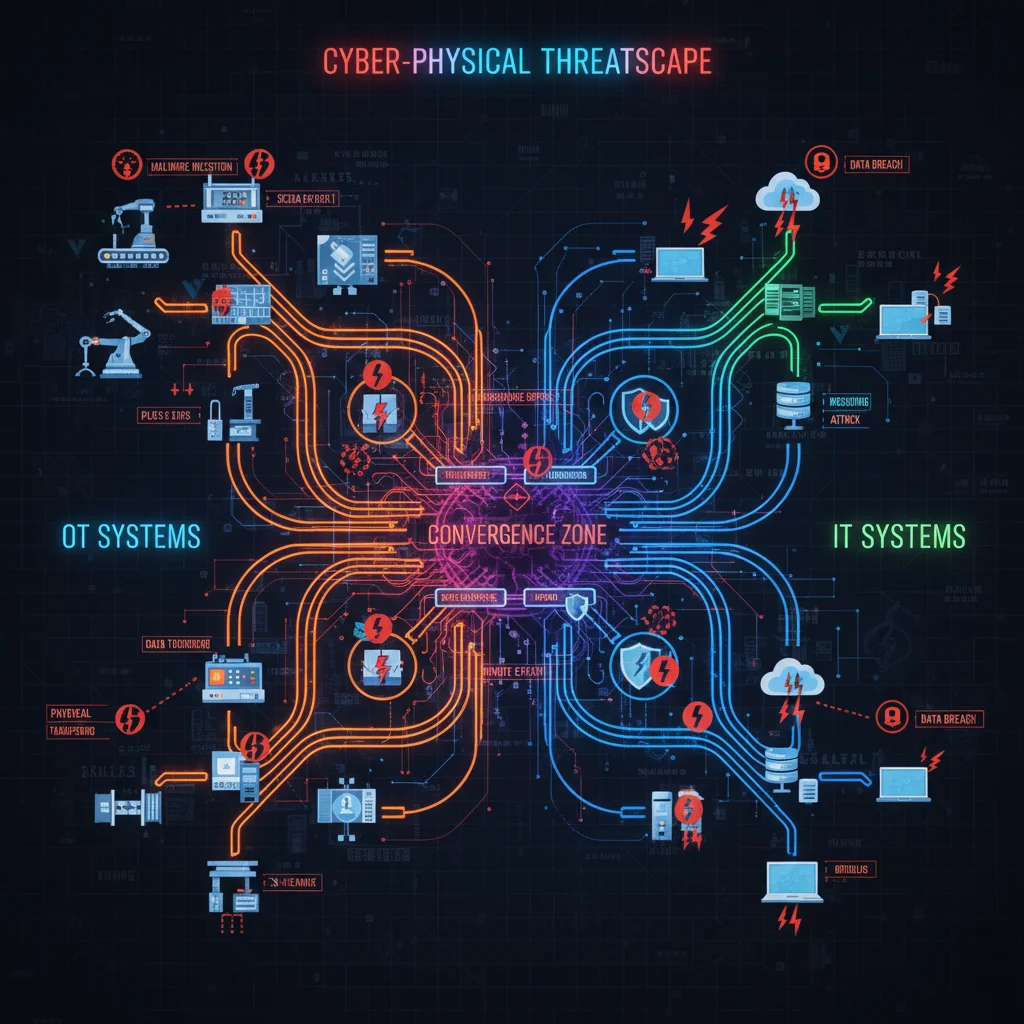
4. Securing Operational Technology (OT) and Industrial Control Systems (ICS)
The unique characteristics of OT environments demand specialized security approaches. Traditional IT security tools are often incompatible with legacy industrial protocols and real-time operational requirements. Key strategies for securing OT in 2026 include:
- Deep Packet Inspection for OT Protocols: Monitoring OT networks for anomalous commands and unauthorized access.
- Network Segmentation: Strict logical and physical separation between IT and OT networks, and further segmentation within OT to isolate critical processes.
- Vulnerability Management for Legacy Systems: Implementing compensating controls for systems that cannot be patched, and careful management of firmware updates.
- Immutable Backups and Disaster Recovery: Ensuring that critical operational data and system configurations are regularly backed up in an immutable format, allowing for rapid recovery from ransomware or destructive attacks.
- Personnel Training: Educating OT engineers and operators on cybersecurity best practices relevant to their specific systems.
The integration of IT and OT security teams will also be crucial, fostering a unified approach to Critical Infrastructure Cybersecurity.
5. AI and Machine Learning for Proactive Defense
AI and ML will play an increasingly vital role in bolstering Critical Infrastructure Cybersecurity. These technologies can process vast amounts of data to identify subtle anomalies, predict potential attacks, and automate defensive actions. Use cases include:
- Behavioral Analytics: Detecting deviations from normal user and system behavior that might indicate a compromise.
- Predictive Threat Modeling: Using historical data and current threat intelligence to anticipate future attack vectors.
- Automated Vulnerability Scanning and Patch Management: AI-powered tools can continuously scan for vulnerabilities and prioritize patching based on risk.
- Intelligent Firewall and Intrusion Prevention Systems: AI can dynamically adjust security policies based on real-time threat analysis.
However, reliance on AI also necessitates careful auditing and oversight to prevent algorithmic bias or misinterpretations that could lead to false positives or missed threats.
6. Robust Supply Chain Security
As demonstrated by incidents like SolarWinds, the supply chain is a significant attack vector. By 2026, critical infrastructure operators will need to implement stringent supply chain security measures, including:
- Vendor Risk Management: Thoroughly vetting third-party vendors and suppliers for their cybersecurity posture.
- Software Bill of Materials (SBOMs): Requiring SBOMs from all software providers to understand the components and potential vulnerabilities within applications.
- Code Integrity Checks: Verifying the integrity of software updates and patches before deployment.
- Contractual Obligations: Including robust cybersecurity requirements in contracts with all suppliers.
Securing the supply chain is a shared responsibility and requires collaboration across the entire ecosystem involved in delivering essential services.
Regulatory and Policy Landscape for Critical Infrastructure Cybersecurity
The increasing criticality of essential services has spurred governments worldwide to enact and strengthen regulations. By 2026, we can expect a more harmonized and stringent global regulatory landscape for Critical Infrastructure Cybersecurity. Key developments will include:
- Mandatory Reporting: Stricter requirements for reporting cyber incidents, often with shorter deadlines, to facilitate rapid information sharing and national response.
- Performance-Based Standards: Moving beyond prescriptive checklists to outcome-based security standards that emphasize resilience and continuous improvement.
- Cross-Border Cooperation: Enhanced international collaboration on cybersecurity policy, threat intelligence sharing, and coordinated responses to transnational cyberattacks.
- Incentives and Penalties: Governments may offer incentives for adopting advanced security measures while imposing significant penalties for non-compliance or negligence leading to breaches.
Compliance with these evolving regulations will be a significant operational and financial challenge for many critical infrastructure entities, but it is a necessary step towards collective security.
The Human Element: Training, Awareness, and Workforce Development
Technology alone cannot solve the challenges of Critical Infrastructure Cybersecurity. The human element remains both the strongest asset and the weakest link. By 2026, greater emphasis will be placed on:
- Continuous Security Awareness Training: Moving beyond annual training to ongoing, engaging, and context-specific education for all employees, focusing on phishing, social engineering, and safe operational practices.
- Specialized Workforce Development: Addressing the severe shortage of cybersecurity professionals, particularly those with expertise in OT/ICS security. This will involve investments in education, apprenticeships, and reskilling programs.
- Culture of Security: Fostering a pervasive culture where cybersecurity is seen as everyone’s responsibility, from the C-suite to frontline operators. This includes encouraging reporting of suspicious activities without fear of reprisal.
Investing in people is as crucial as investing in technology for effective Critical Infrastructure Cybersecurity.
The Role of Resilience and Recovery in Critical Infrastructure Cybersecurity
Despite the best preventative measures, some attacks will inevitably succeed. Therefore, resilience and rapid recovery capabilities are integral to Critical Infrastructure Cybersecurity. In 2026, organizations will prioritize:
- Cyber Resilience Planning: Developing comprehensive plans that detail how essential services will continue to operate during and after a cyberattack, including manual overrides and alternative operating procedures.
- Incident Response and Recovery Playbooks: Regularly updated and tested playbooks for various attack scenarios, ensuring a coordinated and efficient response.
- Business Continuity and Disaster Recovery (BCDR): Integrating cybersecurity incident response into broader BCDR strategies, ensuring that critical functions can be restored quickly and effectively.
- Red Team/Blue Team Exercises: Conducting regular simulations to test the effectiveness of defenses, identify weaknesses, and train response teams under realistic pressure.
The goal is not just to prevent attacks, but to minimize their impact and ensure a swift return to normal operations, thereby maintaining public trust and national stability.
Emerging Technologies and Their Impact on Critical Infrastructure Cybersecurity
Looking ahead to 2026 and beyond, several emerging technologies hold significant promise for enhancing Critical Infrastructure Cybersecurity, but also introduce new attack vectors.
Quantum Computing
While still in its nascent stages, quantum computing poses a long-term threat to current cryptographic standards. Critical infrastructure operators must begin to explore quantum-resistant cryptography (post-quantum cryptography) to protect sensitive data and communications that need to remain secure for decades. The transition will be complex and time-consuming, necessitating early planning.
Blockchain and Distributed Ledger Technologies (DLT)
Blockchain and DLT could enhance the integrity and immutability of critical data and supply chain records. For example, using blockchain for identity management or securing sensor data in OT environments could provide a tamper-proof audit trail, bolstering trust and security.
Edge Computing and 5G
The proliferation of edge computing and 5G networks, while offering increased speed and efficiency, also expands the attack surface. More devices at the edge mean more potential entry points for attackers. Securing these distributed environments will require new architectural approaches and robust endpoint security solutions.
Digital Twins
Digital twins, virtual replicas of physical systems, can be invaluable for testing cybersecurity measures without disrupting live operations. They allow security teams to simulate attacks, test patches, and train personnel in a safe environment, offering a powerful tool for proactive Critical Infrastructure Cybersecurity.
Conclusion: A Continuous Journey in Critical Infrastructure Cybersecurity
By 2026, Critical Infrastructure Cybersecurity will no longer be a niche concern but a central pillar of national and global security. The convergence of increasingly sophisticated threats, the growing reliance on interconnected systems, and the high stakes involved demand a comprehensive, adaptive, and collaborative approach. Organizations must invest in advanced technologies, cultivate a skilled workforce, embrace a zero-trust mindset, and foster strong partnerships with government and industry peers. The journey towards truly secure essential services is continuous, requiring constant vigilance, innovation, and a collective commitment to protecting the digital foundations of our modern world. The future of our societies depends on our ability to defend these vital systems against the ever-evolving cyber threats that seek to undermine them.
