Navigating US Utility Services in 2026: Your Comprehensive Guide to Setup, Management, and Cost Optimization
Understanding and effectively managing US utility services is a fundamental aspect of modern living, whether you’re moving to a new home, setting up a business, or simply looking to optimize your existing services. As we look towards 2026, the landscape of utilities continues to evolve, driven by technological advancements, regulatory changes, and a growing emphasis on sustainability. This comprehensive guide will walk you through everything you need to know about setting up, managing, and optimizing your US Utility Services to ensure efficiency, save money, and contribute to a greener future.
The journey to mastering your utility services begins with a clear understanding of what they entail. From the essential electricity that powers our homes and devices, to the water that sustains us, the gas that heats our spaces, and the internet that connects us to the world – each utility plays a crucial role. This article will delve into each of these core services, providing actionable insights and expert advice for residents and businesses across the United States.
The Foundation: Understanding Your Core US Utility Services
Before diving into the specifics of setup and management, it’s vital to have a foundational understanding of the primary US Utility Services you’ll encounter. These typically include:
- Electricity: The power grid is a complex network, and your electricity service will depend on your local provider, which can be an investor-owned utility, a municipal utility, or a rural electric cooperative. Understanding your provider, tariff structure, and peak/off-peak rates is crucial for effective management.
- Water and Sewer: Essential for health and hygiene, water services are usually managed by municipal or county-level authorities. Sewer services often go hand-in-hand with water, but sometimes they are billed separately.
- Natural Gas/Propane: Used for heating, cooking, and sometimes water heating, natural gas is delivered via pipelines. In areas without natural gas infrastructure, propane might be a common alternative, delivered by truck to a storage tank.
- Internet and Communication: While not traditionally considered a ‘utility’ in the same vein as water or electricity, reliable internet access has become an indispensable service. Options include fiber optic, cable, DSL, satellite, and 5G home internet, each with varying speeds and costs.
- Waste Management/Recycling: Often overlooked, waste collection is a critical utility service, typically provided by municipal services or private companies. Recycling programs vary widely by locality.
Each of these services comes with its own set of providers, regulations, and billing cycles. Navigating this landscape requires careful attention to detail and proactive engagement.
Setting Up Your US Utility Services: A Step-by-Step Guide for 2026
Whether you’re relocating or establishing a new household or business, setting up your US Utility Services can seem daunting. Here’s a streamlined approach for 2026:
1. Identify Your Providers Early
As soon as you know your new address, begin researching local utility providers. Websites like USA.gov/utilities can offer starting points, but direct searches for ‘electricity provider [your city/state]’ or ‘water company [your address]’ are often more effective. Some areas have multiple providers for certain services (e.g., electricity in deregulated states, or internet), giving you choices.
2. Gather Necessary Documentation
When contacting providers, you’ll typically need:
- Your new address and move-in date.
- Personal identification (driver’s license, state ID).
- Social Security Number (SSN) for a credit check (this helps determine if a deposit is required).
- Previous address information.
- Lease agreement or proof of homeownership.
3. Contact Providers to Initiate Service
Call or use online portals to schedule service activation. Aim to do this at least 1-2 weeks before your move-in date to avoid any interruptions. Be prepared to provide your information and discuss service plans. For electricity and gas, you might need to schedule an appointment for meter readings or connection if the service has been disconnected.
4. Understand Deposits and Fees
Many utility companies require a deposit, especially if you have limited credit history or a history of late payments. Inquire about these upfront. Some companies offer alternatives to deposits, such as a letter of credit from a previous utility provider or enrolling in auto-pay.
5. Confirm Activation Dates
Always double-check the activation dates for all services. It’s a good idea to confirm a day or two before your move to ensure everything is on track. For internet, you might need to schedule a technician visit for installation.
6. Transferring vs. Starting New Service
If you’re staying within the same service area, some providers allow you to transfer services, which can be simpler than setting up entirely new accounts. Inquire about this option.
Effective Management of Your US Utility Services: Beyond Basic Billing
Once your US Utility Services are active, the next step is effective management. This goes beyond just paying bills on time and involves proactive strategies to understand consumption, optimize usage, and prevent issues.
1. Understand Your Bills
Utility bills can be complex. Take the time to understand each line item: consumption charges, fixed fees, taxes, and any surcharges. Knowing what you’re paying for is the first step to identifying areas for savings. Look for usage graphs that show your consumption trends over time.
2. Monitor Usage Regularly
Many modern utility providers offer online portals or mobile apps where you can track your real-time or near real-time consumption. Regularly checking these can help you spot unusual spikes in usage, which could indicate a leak, a faulty appliance, or simply a period of high consumption that you can adjust.
3. Embrace Smart Home Technology
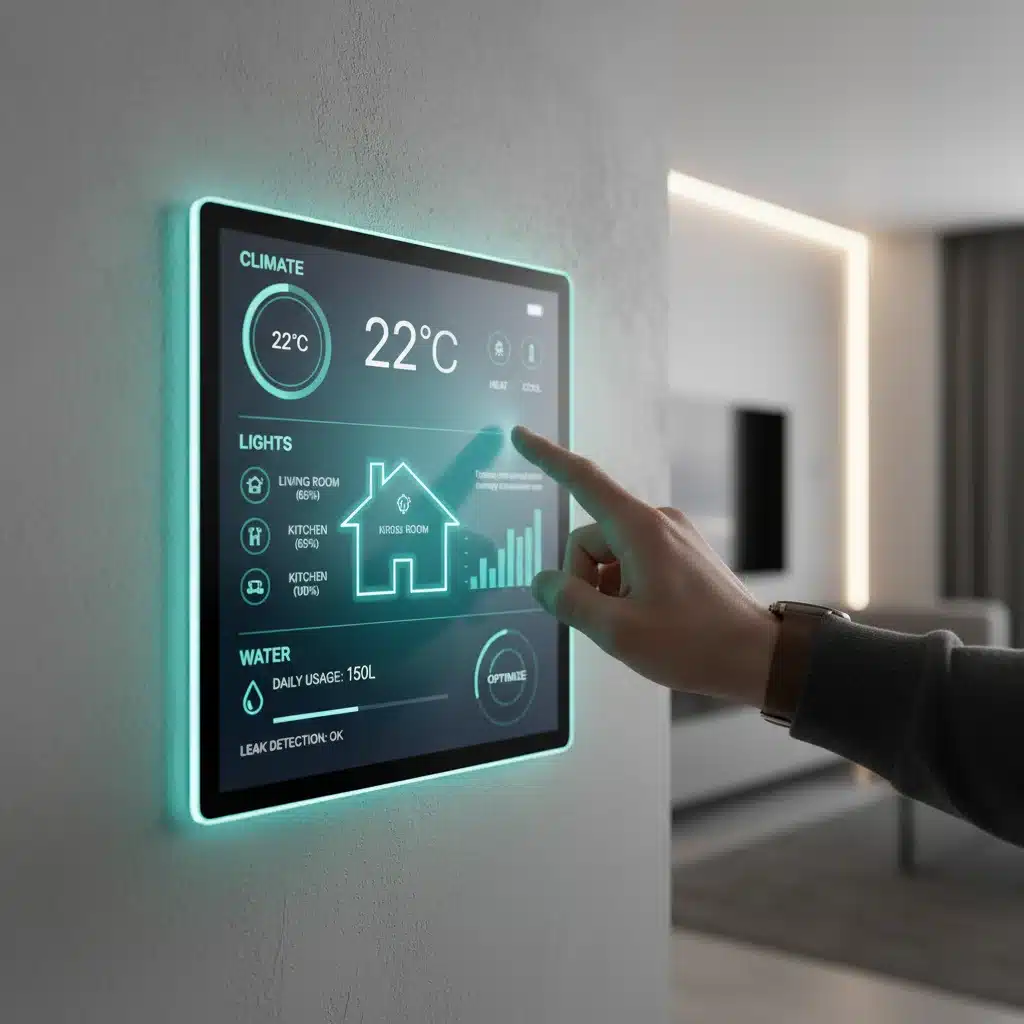
Smart thermostats (e.g., Nest, Ecobee), smart lighting systems, and smart water leak detectors can significantly enhance your ability to manage utilities. These devices allow for remote control, automated scheduling, and provide data that helps you make informed decisions about your consumption.
4. Schedule Preventative Maintenance
Regular maintenance of your heating, ventilation, and air conditioning (HVAC) systems, water heaters, and even plumbing can prevent costly breakdowns and improve efficiency. Dirty filters, leaky pipes, or inefficient appliances can dramatically increase your utility bills.
5. Be Aware of Peak Hours
For electricity, many providers have ‘time-of-use’ rates, where electricity costs more during peak demand hours (e.g., late afternoon/early evening). Shifting heavy appliance usage (laundry, dishwashing) to off-peak hours can lead to significant savings.

Cost Optimization Strategies for US Utility Services in 2026
Reducing your utility expenses without sacrificing comfort or convenience is a major goal for many. Here are advanced strategies for optimizing your US Utility Services costs in 2026:
1. Energy Efficiency Upgrades
- Insulation and Weatherstripping: Improve your home’s thermal envelope. Proper insulation in attics, walls, and floors, along with sealing air leaks around windows and doors, can drastically reduce heating and cooling costs.
- Energy-Efficient Appliances: When replacing appliances, look for ENERGY STAR certified models. While the upfront cost might be slightly higher, the long-term savings on utility bills can be substantial.
- LED Lighting: Replace incandescent bulbs with LEDs. They consume significantly less electricity and have a much longer lifespan.
- Window Upgrades: Consider double or triple-pane windows, especially in older homes, to improve insulation and reduce heat transfer.
2. Water Conservation Methods
- Low-Flow Fixtures: Install low-flow showerheads, faucets, and toilets to reduce water consumption without compromising performance.
- Fix Leaks Promptly: Even small drips can add up to significant water waste. Regularly check for leaks in faucets, toilets, and irrigation systems.
- Smart Irrigation: Use smart sprinklers that adjust watering schedules based on weather conditions and soil moisture, preventing overwatering.
- Rainwater Harvesting: For gardening or outdoor use, consider collecting rainwater, which can reduce your reliance on municipal water supplies.
3. Natural Gas/Propane Savings
- Thermostat Management: Set your thermostat a few degrees lower in winter and higher in summer. Even small adjustments can lead to savings. Programmable or smart thermostats make this effortless.
- Regular Furnace/Boiler Maintenance: An annual tune-up ensures your heating system runs efficiently.
- Water Heater Efficiency: Lower your water heater’s temperature setting, insulate the tank, and consider a tankless water heater for on-demand heating.
- Draft Proofing: Seal gaps and cracks around pipes, vents, and other openings to prevent heat loss.
4. Internet and Communication Cost Management
- Shop Around: The internet market is often competitive. Regularly compare plans from different providers in your area.
- Bundle Services: Some providers offer discounts for bundling internet, TV, and phone services. Evaluate if a bundle genuinely saves you money.
- Negotiate: Don’t be afraid to call your current provider and negotiate for a better rate, especially if you see competitive offers from rivals.
- Review Your Speed Needs: Are you paying for more speed than you actually need? Assess your usage habits and downgrade if necessary.
5. Renewable Energy Integration
For homeowners, investing in solar panels can significantly reduce or even eliminate electricity bills. Many states offer incentives, tax credits, and net metering programs that make solar an increasingly attractive option for managing US Utility Services costs long-term.
The Future of US Utility Services: Trends to Watch in 2026 and Beyond
The utility sector is not static. Several key trends are shaping the future of US Utility Services:
1. Grid Modernization and Smart Grids
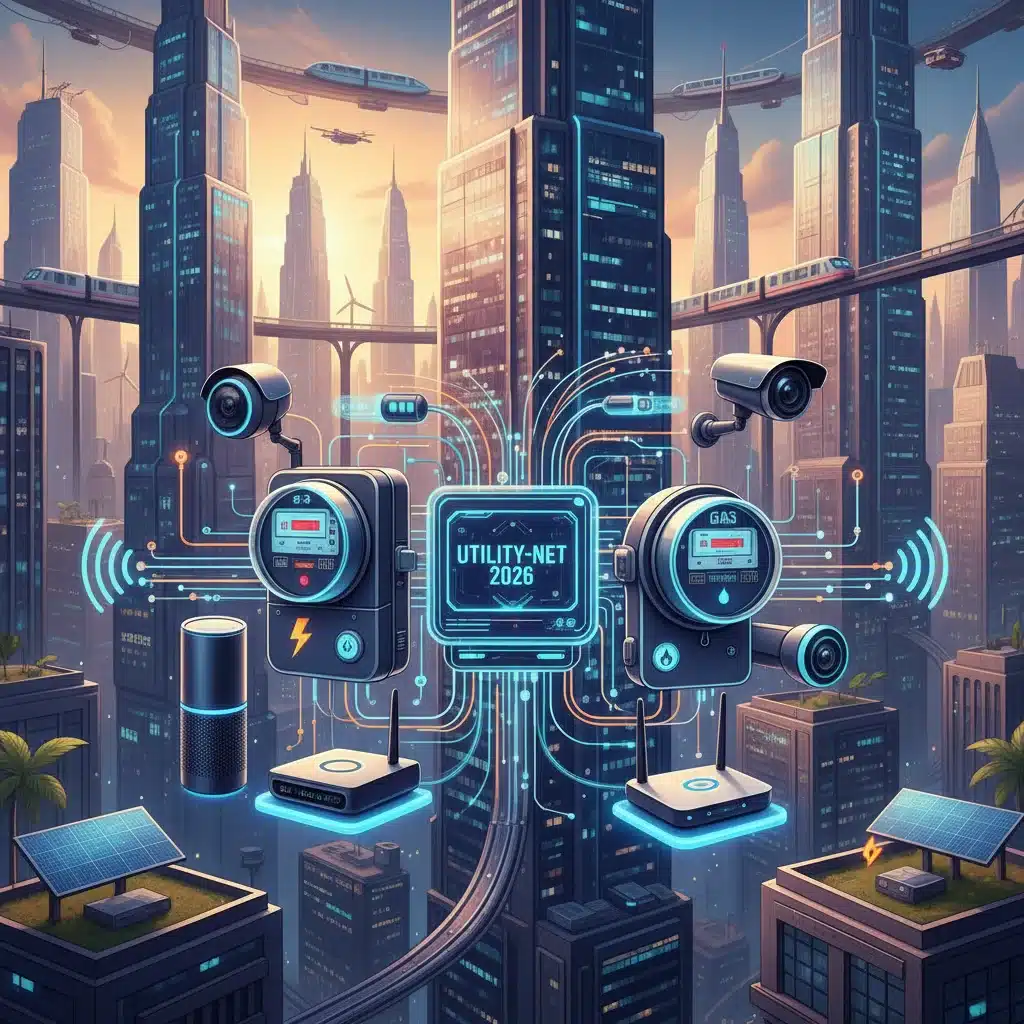
The electric grid is becoming smarter, with advanced sensors, communication technologies, and automation. This allows for more efficient power distribution, quicker outage detection, and better integration of renewable energy sources. Consumers can expect more granular data on their usage and potentially more dynamic pricing structures.
2. Decentralized Energy Generation
The rise of rooftop solar, community solar projects, and battery storage solutions means more energy is being generated closer to where it’s consumed, reducing reliance on large, centralized power plants. This trend empowers consumers to become ‘prosumers’ – both producers and consumers of energy.
3. Enhanced Data and AI for Efficiency
Utility companies are increasingly leveraging big data and artificial intelligence to predict demand, optimize resource allocation, and identify areas for infrastructure improvement. For consumers, this translates to more personalized energy insights and potentially new services aimed at efficiency.
4. Cybersecurity Concerns
As utilities become more interconnected and digital, cybersecurity becomes paramount. Protecting critical infrastructure from cyber threats is a growing focus for utility providers and government agencies alike.
5. Focus on Sustainability and Decarbonization
The push for decarbonization continues to accelerate, with utilities investing heavily in renewable energy sources, carbon capture technologies, and electric vehicle charging infrastructure. Consumers will see more green energy options and incentives for sustainable practices.
Addressing Common Challenges with US Utility Services
Despite best efforts, challenges can arise. Here’s how to address some common issues:
1. High Bills
If your bill is unexpectedly high, first review your usage data. Consider if there were any changes in your household (more people, new appliances) or recent weather extremes. Then, check for leaks (water) or drafts (energy). If you can’t identify the cause, contact your utility provider to inquire about a meter re-read or a home energy audit.
2. Service Interruptions
For power outages, check your provider’s outage map online or call their dedicated outage line. For internet issues, restart your modem and router first. If the problem persists, contact customer support. Always have an emergency kit ready, including flashlights, a battery-powered radio, and charged power banks for phones.
3. Billing Disputes
If you believe there’s an error on your bill, gather all relevant documentation (previous bills, meter readings if available) and contact the utility company’s billing department. Be polite but firm, and keep a record of all communications. If the dispute isn’t resolved, you can escalate to a supervisor or, in some cases, your state’s public utility commission.
4. Moving In/Out Stress
The best way to mitigate moving-related utility stress is planning. Start contacting providers weeks in advance, confirm dates, and keep all confirmation numbers. For move-out, schedule disconnection for the day after you leave to ensure you have services during cleanup.
Resources and Support for US Utility Services
There are numerous resources available to help you manage your US Utility Services:
- State Public Utility Commissions (PUCs): These regulatory bodies oversee utility providers and can assist with disputes or provide information on consumer rights.
- Energy.gov: The U.S. Department of Energy website offers a wealth of information on energy efficiency, renewable energy, and related programs.
- Local Government Websites: Your city or county website often has links to local water, waste, and sometimes electricity providers.
- Non-Profit Organizations: Groups focused on energy conservation or consumer advocacy can offer advice and resources.
- Utility Company Websites and Apps: Most providers have robust online platforms for account management, bill payment, and usage tracking.
Conclusion: Mastering Your US Utility Services for a Smarter 2026
Effectively managing your US Utility Services in 2026 is about more than just paying bills; it’s about informed decision-making, embracing technology, and adopting sustainable practices. By understanding your services, proactively setting them up, diligently managing your consumption, and strategically optimizing costs, you can gain greater control over your household or business expenses and contribute to a more efficient and sustainable future.
The utility landscape is dynamic, with innovations continually emerging. Staying informed about new technologies, rate structures, and conservation programs will empower you to make the best choices for your specific needs. Take the time to review your services, explore potential upgrades, and engage with your providers. A well-managed utility portfolio is a cornerstone of a well-run home or business.