Registering for US Public Schools: A 2026 Guide for Families with Children
Registering for US Public Schools: A 2026 Guide for Families with Children
Navigating the educational landscape of a new country or even a new state can be a daunting task for families. For those looking to enroll their children in US public schools in 2026, understanding the registration process is paramount. This comprehensive guide aims to demystify the steps involved, highlight critical requirements, and offer practical advice to ensure a smooth transition for your children into the American public school system. From understanding district boundaries to gathering necessary documentation, we’ll cover everything you need to know about US Public School Registration for the upcoming academic year.
Understanding the American Public School System
Before diving into the specifics of US Public School Registration, it’s essential to grasp the structure of the American public education system. Unlike many centralized systems, public education in the United States is primarily governed at the state and local levels. This means that while there are federal guidelines, the vast majority of decisions regarding curriculum, school calendars, and registration procedures are made by individual states and, more specifically, by local school districts. This decentralization results in significant variations in requirements and processes from one district to another, and sometimes even between schools within the same district.
Public schools in the US are generally free for all residents, funded by local, state, and federal taxes. They serve students from kindergarten (typically around age 5) through 12th grade (around age 18). Education is compulsory, meaning children are required by law to attend school for a certain period, which varies by state but generally starts between ages 5-8 and ends between ages 16-18. The school year typically runs from late August or early September to May or June, though year-round schooling models exist in some areas.
When considering US Public School Registration, one of the first and most crucial steps is identifying your specific school district. Your child will attend the school assigned to your residential address. School district boundaries do not always align with city or town limits, so it’s vital to use a reliable address lookup tool, usually found on district websites, to determine the correct district and assigned schools for your address. This initial step will dictate the specific set of rules and deadlines you’ll need to follow.
Key Documents Required for US Public School Registration in 2026
While specific requirements can vary, there’s a common set of documents almost universally requested during US Public School Registration. Preparing these in advance will significantly streamline the enrollment process. It’s advisable to gather originals and make multiple copies of each document.
Proof of Residency
This is perhaps the most critical requirement, as it determines which school your child can attend. School districts are very strict about residency to prevent overcrowding and ensure resources are allocated appropriately. Acceptable forms of proof typically include:
- Utility bills (electricity, gas, water) in the parent/guardian’s name, dated within the last 30-60 days.
- Lease agreement or mortgage statement.
- Property tax statement.
- Driver’s license or state ID with the current address.
- Bank statement (less common, but some districts accept it).
If you are living with another family and do not have utility bills in your name, you may need to provide an affidavit of residency from the homeowner, along with their proof of residency and possibly a notarized statement. Always check with your specific district for their exact requirements regarding shared housing.
Child’s Birth Certificate
This document is used to verify your child’s age and legal name. An original birth certificate or a certified copy is usually required. For children born outside the US, a foreign birth certificate with a certified English translation is typically acceptable.
Immunization Records
All states require children attending public schools to be immunized against certain communicable diseases. These requirements are often quite strict and are enforced to protect public health. You will need to provide an official immunization record, often referred to as an ‘immunization card’ or ‘shot record,’ showing the dates of all required vaccinations. If your child is missing any required immunizations, they may not be allowed to attend school until they receive them. Many school districts offer clinics or can direct you to local health departments for necessary vaccinations.
Previous School Records
Depending on the grade level, you may need to provide academic records from your child’s previous school. This can include report cards, transcripts, standardized test scores, and withdrawal forms. These records help the school place your child in the appropriate grade level and classes, especially for middle and high school students. If your child has an Individualized Education Program (IEP) or a 504 Plan due to special needs, it is crucial to provide these documents as well, so the new school can continue to provide appropriate support.
Parent/Guardian Identification
You will need a valid government-issued photo ID, such as a driver’s license, state ID, or passport, to prove your identity as the legal parent or guardian of the child being enrolled.
Custody Documents (If Applicable)
If there are any custody agreements or court orders pertaining to your child, you must provide these documents. This ensures the school understands who has legal authority over the child and who should be contacted regarding educational decisions.
The 2026 US Public School Registration Process: Step-by-Step
While district specifics vary, the general steps for US Public School Registration remain largely consistent. Here’s a breakdown of what to expect:
Step 1: Determine Your School District and Assigned School
As mentioned, this is the foundational step. Use your prospective address to pinpoint the correct school district. Most districts have an ‘attendance zone locator’ or ‘school finder’ tool on their official websites. Enter your address, and it will tell you which elementary, middle, and high schools your child is zoned for. This is critical because you can only register your child at their assigned school unless you apply for a special transfer (which is often difficult and not guaranteed).
Step 2: Check District-Specific Registration Requirements and Deadlines
Once you know your district, visit their official website. Look for sections titled ‘Enrollment,’ ‘Registration,’ or ‘New Student Information.’ Here you will find the most up-to-date information regarding specific documents required, age cut-off dates for kindergarten and first grade, and, crucially, registration deadlines. Many districts open registration for the upcoming school year in late winter or early spring. Registering early is highly recommended, especially for popular schools or programs, as it helps the district plan staffing and resources.
Step 3: Gather All Required Documentation
Based on the district’s checklist, collect all the necessary documents. Make sure they are current and valid. If any documents are in a foreign language, check if the district requires a certified English translation. Some districts may also require notarized copies of certain documents.
Step 4: Complete the Registration Forms
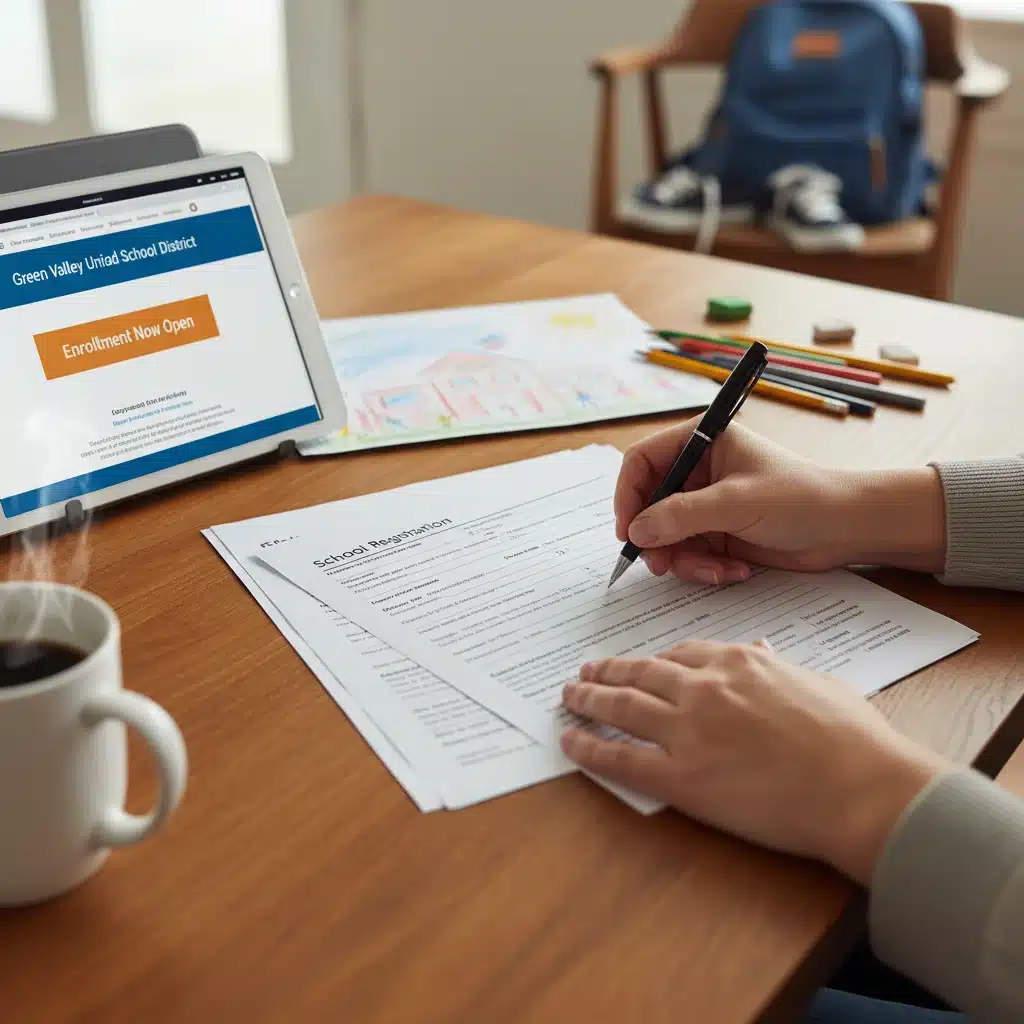
Most districts now offer online pre-registration or downloadable forms that can be filled out prior to an in-person appointment. These forms will ask for detailed information about your child, including their medical history, emergency contacts, and previous educational background. Fill these out thoroughly and accurately. Some systems allow for completely online submission, while others require you to print and bring the completed forms to the school or district office.
Step 5: Schedule and Attend the Registration Appointment
Many districts require an in-person registration appointment, either at the district office or at the assigned school. During this appointment, you will submit all your documents, and school staff will verify them. This is also an opportunity to ask any questions you may have about the school, curriculum, or services. Be prepared for potential waiting times, especially during peak registration periods.
Step 6: Health Screenings and Assessments
After initial registration, your child may need to undergo health screenings (e.g., vision, hearing) or academic assessments, particularly if they are entering kindergarten or if there are concerns about their academic placement. These are usually scheduled separately. For students with special needs or those who speak English as a second language, additional assessments will be conducted to determine appropriate support services.
Step 7: School Orientation and Start Date
Once registration is complete, the school will provide information regarding orientation sessions, school supply lists, bell schedules, and the official start date for classes. Many schools host ‘meet the teacher’ events or new student orientations before the school year begins, which are excellent opportunities for your child to get acquainted with their new environment.
Special Considerations for Families During US Public School Registration
While the general process applies to most, certain situations require additional attention during US Public School Registration.
Homeless Students (McKinney-Vento Act)
The McKinney-Vento Homeless Assistance Act ensures that children experiencing homelessness have the right to enroll in and attend school, regardless of their living situation. This includes the right to immediate enrollment even if they lack typical registration documents like proof of residency or immunization records. Homeless students can attend their previous school or the school in the area where they are temporarily residing. School districts have a homeless liaison who can provide support and resources for these families.
Students with Special Needs
If your child has an existing Individualized Education Program (IEP) or a 504 Plan, it is crucial to provide these documents during registration. The new school district is legally obligated to provide comparable services. The district will review the existing plan and may conduct new evaluations to ensure the services meet state and federal guidelines.
English Language Learners (ELL)
For children who are not native English speakers, schools will typically conduct language proficiency assessments. Based on these assessments, children may be placed in English as a Second Language (ESL) programs or receive other forms of language support to help them succeed academically while they acquire English proficiency. It’s important to be honest about your child’s language background during registration so they can receive appropriate support.
Age Requirements
Each state and district sets specific age cut-off dates for kindergarten and first grade. For example, a child might need to be five years old by September 1st to enroll in kindergarten. If your child’s birthday falls after this date, they may not be eligible for enrollment until the following year. Be sure to check these dates carefully to avoid disappointment.
Tips for a Smooth US Public School Registration Experience
To make your US Public School Registration as seamless as possible, consider these practical tips:
- Start Early: Don’t wait until the last minute. Begin researching districts and gathering documents several months before the academic year begins. Early registration often means fewer crowds and more time to resolve any issues.
- Verify Information: Always double-check information on the official school district website or by calling the district office. Relying on outdated information from third-party sites or word-of-mouth can lead to complications.
- Organize Documents: Create a dedicated folder (physical and/or digital) for all registration documents. Keep originals safe and bring copies to appointments. A checklist can be invaluable.
- Ask Questions: Don’t hesitate to ask school or district staff for clarification on any part of the process. They are there to help.
- Be Patient and Flexible: The registration process can sometimes be lengthy, and unexpected issues may arise. Maintain a patient and flexible attitude.
- Consider School Visits: If possible, attend school open houses or schedule a tour. This can help both you and your child feel more comfortable and familiar with the new environment.
- Understand School Culture: Beyond registration, take time to learn about the school’s culture, parent involvement opportunities, and extracurricular activities. This helps in integrating your child fully into their new academic and social setting.
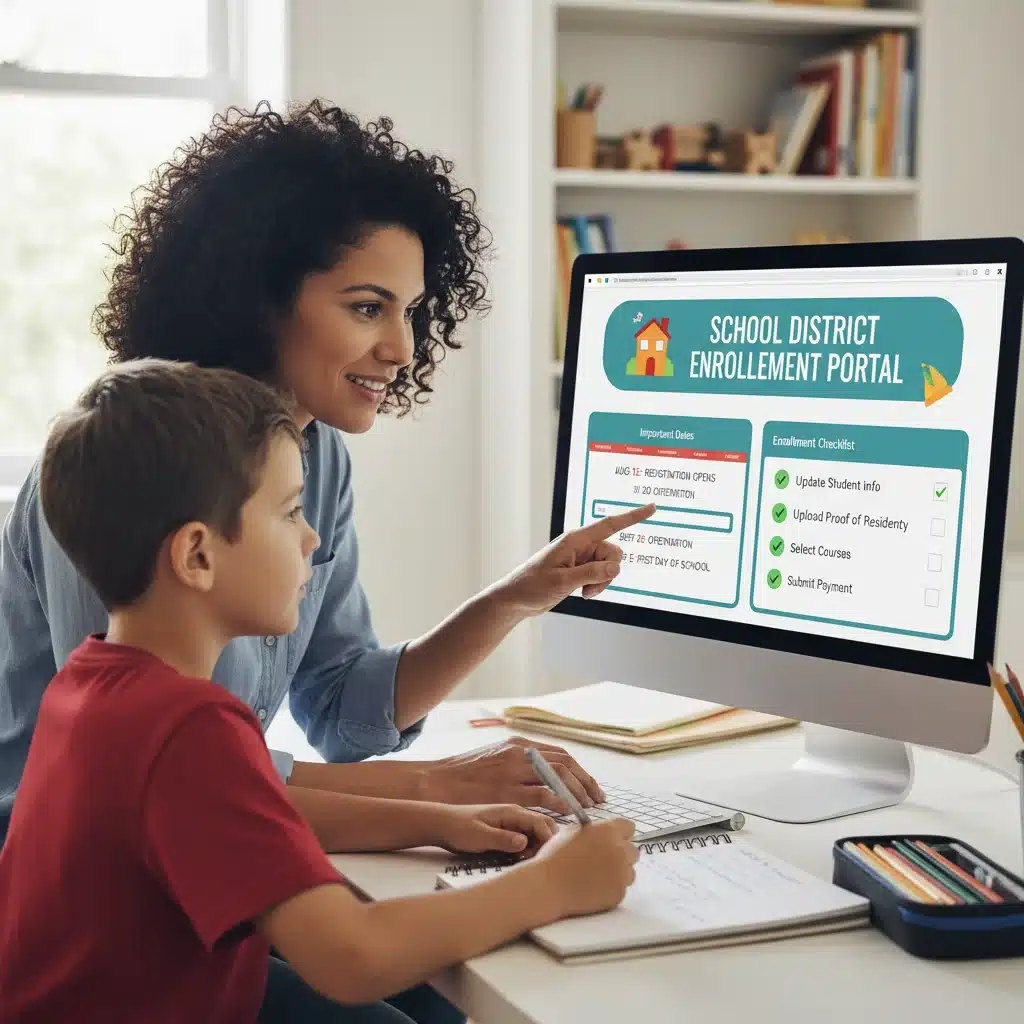
- Utilize Online Portals: Many districts have online parent portals where you can track your child’s progress, communicate with teachers, and access important school announcements. Familiarize yourself with these tools.
- Prepare Your Child: Talk to your child about the upcoming changes, answer their questions, and involve them in the excitement of starting a new school. This can significantly ease their transition.
Beyond Registration: Supporting Your Child’s Success
Successful US Public School Registration is just the first step. To ensure your child thrives in their new school environment, ongoing engagement and support are crucial. Here are a few ways to continue supporting your child:
Engage with the School Community
Join the Parent-Teacher Association (PTA) or Parent-Teacher Organization (PTO) if the school has one. Attend school events, volunteer when possible, and stay in regular communication with your child’s teachers. Active parental involvement is strongly linked to student success.
Monitor Academic Progress
Regularly check your child’s grades, homework, and any communications from teachers. If you notice your child struggling in a particular subject, reach out to the teacher or school counselor for support. Early intervention can make a significant difference.
Foster a Positive Learning Environment at Home
Create a dedicated space for homework, encourage reading, and limit distractions. Show genuine interest in what your child is learning and celebrate their achievements, big or small.
Encourage Extracurricular Activities
Public schools often offer a wide range of extracurricular activities, from sports and clubs to arts programs. Encouraging your child to participate can help them make friends, develop new skills, and feel more connected to the school community.
Understand School Policies and Procedures
Familiarize yourself with the school’s handbook, which outlines rules regarding attendance, behavior, dress code, and other important aspects of school life. Understanding these policies will help you guide your child effectively.
Conclusion
The process of US Public School Registration for 2026, while detailed, is designed to ensure all children have access to quality education. By understanding the system, preparing your documents, and following the steps outlined in this guide, families can navigate the enrollment process with confidence. Remember that each school district operates with a degree of autonomy, so local research is always your best friend. With proper preparation and ongoing engagement, you can help ensure a positive and successful educational journey for your children in the American public school system. Welcome to the exciting world of US public education!