Mastering the 2026 US Electoral Process: Your Guide to Voter Registration & Participation
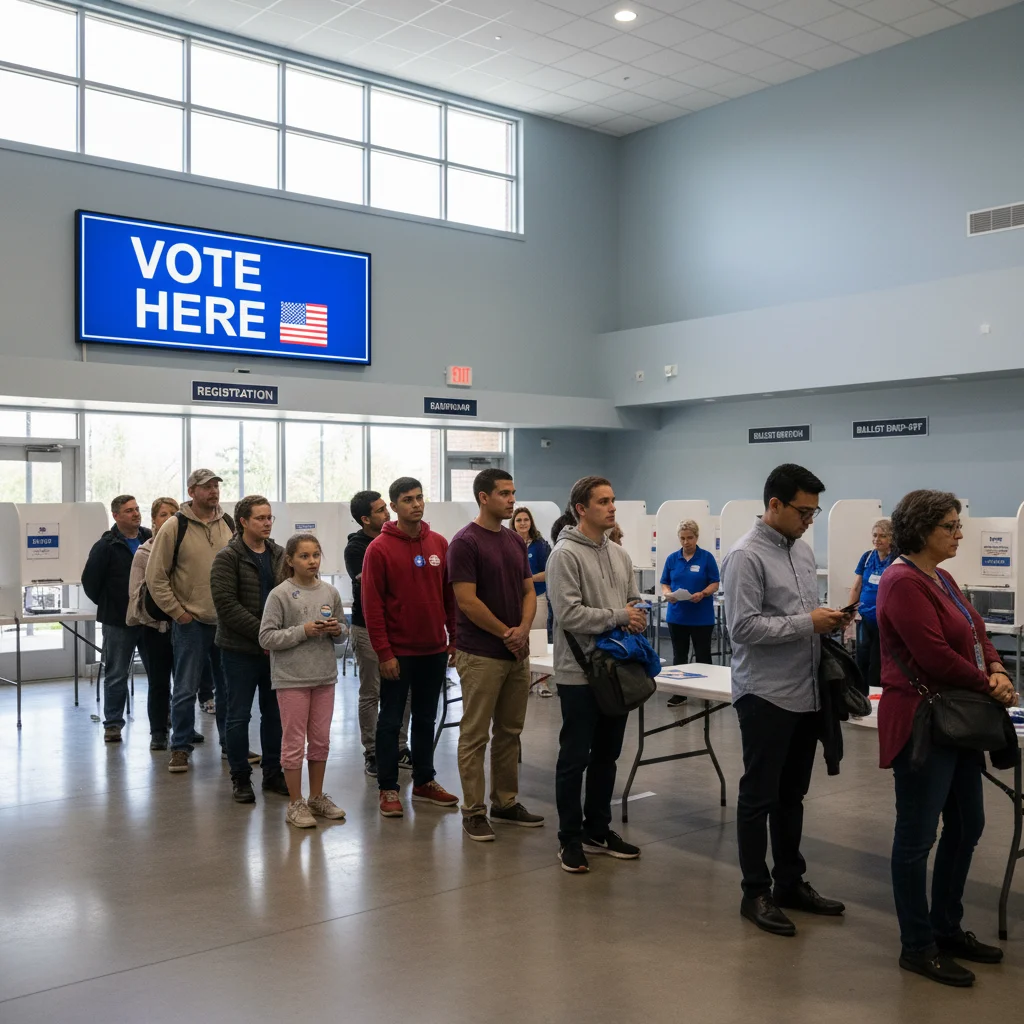
The rhythm of democracy beats strongest when its citizens are informed and engaged. As we look towards 2026, understanding the United States Electoral Process becomes not just a civic duty, but a powerful tool for shaping the nation’s future. This comprehensive guide aims to demystify the intricacies of the US Electoral Process, providing you with all the essential information needed to register, vote, and participate effectively. Whether you’re a first-time voter, new to a state, or simply seeking a refresher, this article will equip you with the knowledge to navigate the upcoming elections with confidence and impact.
The US Electoral Process is a dynamic system, evolving with each election cycle. While core principles remain constant, specifics regarding voter registration, deadlines, and voting methods can vary significantly by state and even by local jurisdiction. Our goal is to provide a broad overview while highlighting the importance of consulting official state and local election resources for the most precise details relevant to your situation. Your vote is your voice, and ensuring that voice is heard begins with understanding the process.
Understanding the Foundation: What is the US Electoral Process?
At its heart, the US Electoral Process is the mechanism by which citizens elect their representatives at local, state, and federal levels. This includes everything from city council members and school board officials to governors, senators, representatives, and, of course, the President and Vice President of the United States. The process is enshrined in the U.S. Constitution and further defined by federal and state laws.
Key Components of the Electoral Process
- Voter Registration: The initial step, legally required in most states, to become eligible to cast a ballot.
- Primary Elections/Caucuses: Processes by which political parties select their candidates for general elections.
- General Elections: The main elections where voters choose among candidates from various parties (and independents) for public office.
- Electoral College (for Presidential Elections): A system where electors, rather than direct popular vote, formally elect the President and Vice President.
- Campaign Finance: Regulations governing the raising and spending of money in political campaigns.
- Election Administration: The logistical framework managed by state and local election officials to ensure fair and accurate elections.
Each of these components plays a crucial role in the overall functioning of the US Electoral Process. Understanding their individual functions helps voters appreciate the complexity and significance of their participation. For the 2026 elections, various offices will be contested, making broad civic engagement essential.
Voter Registration: Your First Step in the 2026 US Electoral Process
Before you can cast your ballot, you must be registered to vote. This fundamental step in the US Electoral Process ensures that only eligible citizens participate in elections and helps prevent fraud. The requirements for voter registration are generally consistent across states but can have minor variations.
Who is Eligible to Register?
To register to vote in the United States, you typically must meet the following criteria:
- Be a U.S. citizen.
- Meet your state’s residency requirements (e.g., living in the state for a certain period).
- Be at least 18 years old by Election Day.
- Not be currently serving a felony sentence (though restoration of voting rights for felons varies by state).
- Not be declared mentally incapacitated by a court.
How to Register to Vote
Registering to vote is often simpler than many people imagine. Here are the common methods:
- Online: Many states offer online voter registration portals. This is often the quickest and most convenient method. You’ll typically need your driver’s license or state ID number.
- By Mail: You can download and print a National Mail Voter Registration Form or a state-specific form from your state’s election website. Fill it out and mail it to your local election official.
- In Person: You can register at your local election office, Department of Motor Vehicles (DMV), public assistance agencies, or armed forces recruitment centers. Some states also offer same-day registration at polling places.
- When Applying for a Driver’s License: The National Voter Registration Act of 1993 (often called the ‘Motor Voter’ Act) requires states to offer voter registration opportunities when you apply for or renew a driver’s license.

Voter Registration Deadlines for 2026
This is one of the most critical aspects of the US Electoral Process. Registration deadlines vary significantly by state and election type. For federal elections like those in 2026, deadlines typically fall between 15 to 30 days before Election Day. However, some states offer same-day registration, allowing you to register and vote on Election Day itself. It is paramount to check your specific state’s election website for precise deadlines. Missing the registration deadline means you will not be able to vote in that election, regardless of your eligibility.
Verifying Your Registration Status
Even if you believe you’re registered, it’s always a good idea to verify your status, especially if you’ve moved, changed your name, or haven’t voted in a while. Most state election websites provide an online tool to check your voter registration status by entering your name and date of birth. This verification step is crucial to avoid any last-minute surprises on Election Day and confirm your participation in the US Electoral Process.
Key Dates and Deadlines for the 2026 US Electoral Process
While specific dates for the 2026 elections are still being finalized and announced by individual states, understanding the general timeline of the US Electoral Process is helpful. Federal elections, including those for the House of Representatives and a third of the Senate, typically occur on the first Tuesday after the first Monday in November.
General Election Day: November 3, 2026 (Tentative)
While this exact date is subject to official confirmation, it aligns with the historical pattern for federal midterm elections. This day will see voters across the nation cast ballots for various federal, state, and local offices. Mark your calendars and prepare to engage in the US Electoral Process.
Primary Election Dates
Primary elections and caucuses typically occur from early spring through late summer in the election year. These dates are highly state-specific and determine which candidates will represent each major party in the general election. If you wish to participate in selecting your party’s nominee, you must register by the primary election deadline and, in some states, declare a party affiliation.
Absentee Voting and Early Voting Deadlines
If you plan to vote by mail (absentee ballot) or participate in early in-person voting, there will be separate application and submission deadlines. These are often earlier than the general registration deadline. Again, consulting your state’s election website is the most reliable way to find these critical dates for your participation in the US Electoral Process.
Voting Methods: How to Cast Your Ballot in 2026
The US Electoral Process offers several ways to cast your vote, designed to accommodate various circumstances and preferences. Familiarizing yourself with these options will help you choose the most convenient and secure method for you.
1. In-Person Voting on Election Day
This is the traditional method: going to your assigned polling place on Election Day. Polling places are typically open from early morning until evening. When you arrive, election officials will verify your identity (some states require photo ID, others do not) and provide you with a ballot. You’ll then cast your vote using a voting machine or a paper ballot. This method offers the direct experience of participating in the US Electoral Process and the opportunity to resolve any immediate issues with election officials.
2. Early In-Person Voting
Many states offer early in-person voting, allowing you to cast your ballot at designated locations (often not your regular polling place) during a period of days or weeks leading up to Election Day. This can be a convenient option for those with busy schedules on Election Day or who prefer to avoid potential crowds. The early voting period is an increasingly popular aspect of the US Electoral Process.
3. Absentee Voting (Vote by Mail)
Absentee voting allows registered voters to cast their ballot by mail. The rules for absentee voting vary significantly by state:
- No-Excuse Absentee Voting: Most states allow any registered voter to request an absentee ballot without needing a specific reason.
- Excuse-Required Absentee Voting: Some states require voters to provide a valid reason (e.g., illness, travel, military service) to receive an absentee ballot.
- Universal Mail Voting: A few states automatically send a ballot to every registered voter.
To vote absentee, you typically need to apply for a ballot. Once you receive it, follow the instructions carefully, sign the envelope if required, and mail it back by the deadline. It’s advisable to mail your ballot well in advance of Election Day to ensure it’s counted as part of the US Electoral Process.
Voter ID Laws
Voter ID laws vary by state. Some states require a photo ID (like a driver’s license or passport), others accept non-photo ID, and some do not require any ID at all. It’s crucial to check your state’s specific requirements before heading to the polls or returning your absentee ballot. Being prepared with the correct identification can prevent delays and ensure your vote is counted within the US Electoral Process.
Beyond the Ballot Box: Other Ways to Participate in the US Electoral Process
Voting is the cornerstone of democratic participation, but it’s not the only way to engage with the US Electoral Process. There are numerous other avenues for citizens to make their voices heard and contribute to the democratic fabric of the nation.
1. Staying Informed
One of the most powerful forms of participation is simply staying informed. Read reputable news sources, follow candidates’ platforms, and research ballot initiatives. An educated electorate is essential for a healthy democracy. Understand the issues, the candidates, and the potential impact of their policies on your community and the nation.
2. Volunteering for Campaigns or Election Officials
If you’re passionate about a particular candidate or cause, consider volunteering for a campaign. Campaign volunteers perform a variety of tasks, from phone banking and canvassing to organizing events. Alternatively, you can volunteer to be an election official (poll worker) on Election Day. Poll workers are vital to the smooth operation of polling places and play a direct role in upholding the integrity of the US Electoral Process.
3. Attending Public Meetings and Town Halls
Engage directly with your elected officials and candidates by attending public meetings, town halls, or community forums. These events provide opportunities to ask questions, voice concerns, and learn more about local and national issues. Your presence and participation can influence policy decisions and highlight important community needs.
4. Advocating for Causes and Issues
Beyond voting for candidates, you can advocate for specific causes or issues that matter to you. This can involve contacting your elected officials, signing petitions, participating in peaceful protests, or joining advocacy groups. Collective action can significantly impact public policy and legislative outcomes within the US Electoral Process.
5. Donating to Campaigns or Organizations
Financial contributions, no matter how small, can help support candidates or organizations that align with your values. Research campaign finance laws and consider donating to help spread a message or support a particular political movement. Transparency in campaign finance is a critical aspect of the US Electoral Process.
6. Encouraging Others to Participate
One of the most impactful things you can do is encourage friends, family, and community members to register and vote. Help them understand the importance of their participation and guide them through the registration process. Peer-to-peer encouragement can significantly boost voter turnout and engagement in the US Electoral Process.
Common Misconceptions About the US Electoral Process
The complexity of the US Electoral Process often leads to misconceptions. Addressing these can help foster a more informed and confident electorate.
Misconception 1: My Single Vote Doesn’t Matter
This is perhaps the most dangerous misconception. Every single vote counts. Local elections are often decided by a handful of votes, and even in larger federal elections, aggregate individual votes determine outcomes. The power of collective individual action is the bedrock of democracy.
Misconception 2: The Electoral College Makes My Presidential Vote Irrelevant
While the Electoral College system means the popular vote winner doesn’t always win the presidency, your vote still directly contributes to the popular vote total in your state. This total determines how your state’s electoral votes are allocated. In swing states, every vote is critical.
Misconception 3: Voter Fraud is Widespread
Numerous studies and investigations have consistently shown that voter fraud is exceedingly rare in the United States. The US Electoral Process includes multiple safeguards to ensure the integrity of elections, such as voter registration checks, ballot security measures, and post-election audits. Concerns about widespread fraud often lack empirical evidence.
Misconception 4: Election Results Are Always Immediately Final
Election results are rarely final on Election Night. There are often absentee ballots to be counted, provisional ballots to be verified, and military and overseas ballots to arrive. States also have processes for recounts and certifications. Patience is key as election officials meticulously count every valid ballot to ensure accuracy within the US Electoral Process.
Resources for Navigating the 2026 US Electoral Process
To ensure you have the most accurate and up-to-date information for the 2026 elections, rely on official and non-partisan sources. Here are some recommended resources:
- USA.gov Elections & Voting: A federal portal providing links to state election offices, voter registration information, and election laws.
- Your State’s Official Election Website: This is the most crucial resource for state-specific deadlines, registration forms, polling place lookups, and ballot information. Search for ‘[Your State Name] Secretary of State Elections’ or ‘[Your State Name] Board of Elections’.
- Local County Election Office: For hyper-local information, including specific polling places, local races, and county-level deadlines.
- Vote.org: A non-partisan organization that helps voters register, check their registration status, and find election information.
- League of Women Voters: A non-partisan organization dedicated to voter education and advocacy, offering resources on candidates and ballot measures.
Leveraging these resources will empower you to confidently navigate the various stages of the US Electoral Process and ensure your full participation.
The Importance of Your Participation in the 2026 US Electoral Process
The 2026 elections, like all elections, will have a profound impact on the direction of the country. Decisions made by elected officials affect every aspect of our lives, from economic policies and healthcare to environmental regulations and civil rights. Your active participation in the US Electoral Process is not merely a right; it is a responsibility that upholds the principles of self-governance and ensures that the government remains accountable to its people.
By registering to vote, staying informed, and casting your ballot, you directly contribute to shaping the laws, policies, and leadership that will define the coming years. Every election is an opportunity to reinforce democratic values, hold leaders accountable, and advocate for the changes you wish to see in your community and beyond. Don’t underestimate the collective power of individual actions in the vast and vital US Electoral Process.
Conclusion: Empowering Your Voice in the 2026 US Electoral Process
The US Electoral Process is a cornerstone of American democracy, complex yet accessible with the right information. As 2026 approaches, we encourage every eligible citizen to take an active role. Start by confirming your voter registration or registering if you haven’t already. Mark key dates on your calendar, research the candidates and issues, and make a plan for how you will cast your ballot.
Your engagement is vital. It is through the informed and active participation of its citizens that the United States continues to evolve and thrive. This guide has provided a pathway to understanding and navigating the 2026 US Electoral Process. Now, it’s up to you to take the next step. Be informed, be registered, and most importantly, be heard. Your voice matters in shaping the future of the nation.
