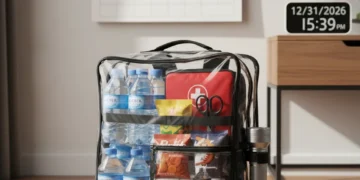
Emergency Preparedness 2026: Your Essential 72-Hour Survival Kit Guide
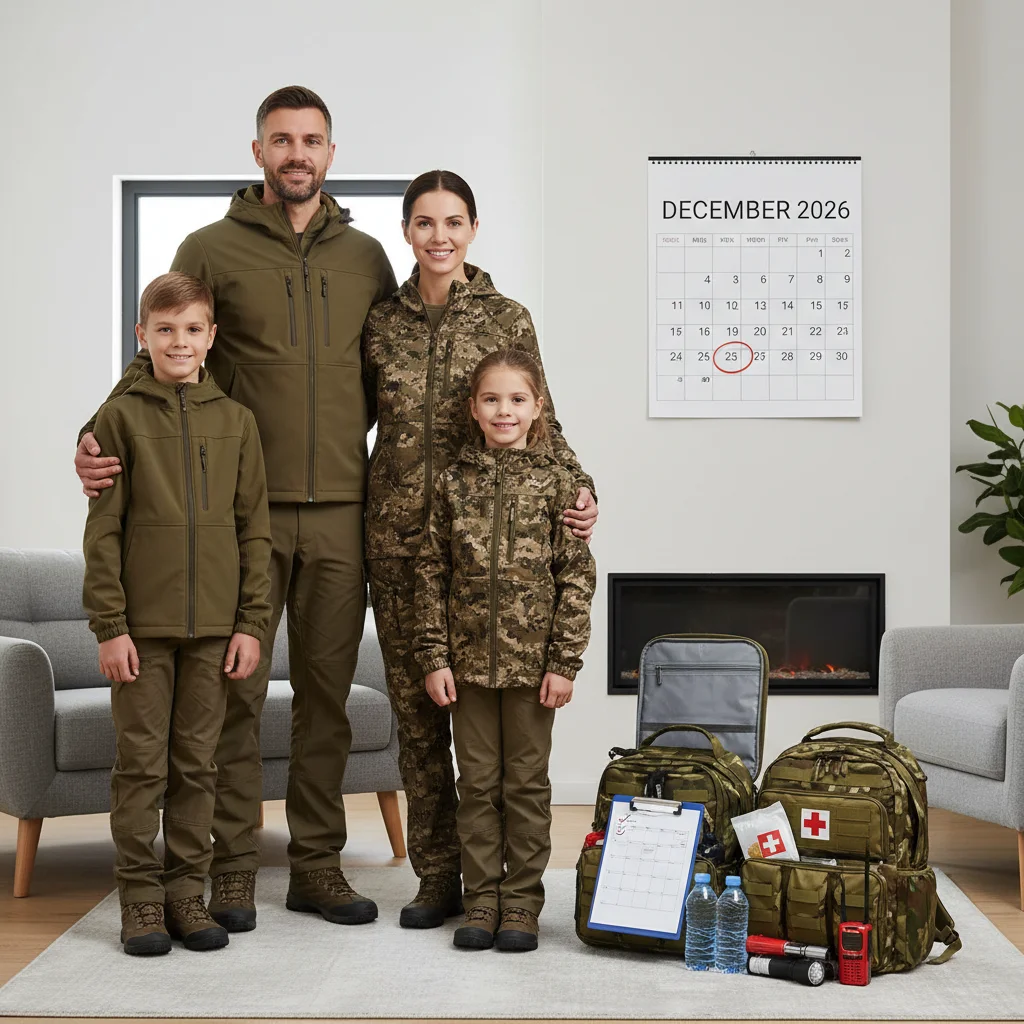
In an increasingly unpredictable world, the importance of emergency preparedness cannot be overstated. From natural disasters like hurricanes, earthquakes, and blizzards to man-made crises such as power outages or civil unrest, the ability to sustain oneself and one’s household for at least 72 hours without external assistance is a cornerstone of modern safety. As we look towards 2026, the landscape of potential emergencies continues to evolve, making a well-thought-out 72-hour survival kit not just a recommendation, but a necessity for every household.
This comprehensive guide is designed to walk you through the process of building an effective, resilient, and personalized 72-hour survival kit. We’ll delve into the critical components, offer practical advice, and help you tailor your kit to the specific needs of your family and geographical location. Our goal is to empower you with the knowledge and resources to face any short-term emergency with confidence and peace of mind.
Why a 72-Hour Survival Kit is Crucial for 2026
The concept of a 72-hour preparedness window stems from the understanding that in the immediate aftermath of a widespread disaster, it can take emergency services up to three days to reach everyone in need. During this critical period, you and your family will be on your own. Having a robust 72-hour survival kit ensures you have access to essential services and supplies like clean water, food, shelter, and medical care, preventing panic and allowing you to focus on safety and recovery.
The past few years have underscored the fragility of our interconnected systems. Supply chain disruptions, extreme weather events, and evolving geopolitical tensions highlight the need for individual and community resilience. A proactive approach to emergency preparedness, centered around a meticulously assembled 72-hour survival kit, is your first line of defense against these challenges.
Understanding the Core Principles of Emergency Preparedness
Before diving into the specifics of your 72-hour survival kit, it’s vital to grasp the core principles that underpin effective emergency preparedness:
- Think Self-Sufficiency: For the initial 72 hours, assume no outside help will be available.
- Anticipate Needs: Consider the unique requirements of every family member, including infants, elderly, and those with disabilities or chronic health conditions.
- Prioritize Essentials: Focus on water, food, shelter, first aid, communication, and sanitation.
- Regular Review and Update: Kits are not static; they need periodic review and replenishment.
- Practice and Plan: Knowing where your kit is and how to use its contents is as important as having it.
Water: The Most Critical Component of Your 72-Hour Survival Kit
When it comes to survival, water is paramount. A human can survive weeks without food but only days without water. For your 72-hour survival kit, aim for at least one gallon of water per person per day for drinking and basic sanitation. For a family of four, this means a minimum of 12 gallons. This might sound like a lot, but it’s non-negotiable.
Storing and Purifying Water
- Bottled Water: The easiest and most reliable option. Store commercially bottled water in a cool, dark place. Rotate your stock every six months to a year.
- Water Purification Tablets: These are lightweight and effective for treating suspect water sources. Ensure you have enough for multiple uses.
- Portable Water Filter: A high-quality portable filter (e.g., Sawyer Mini, Lifestraw) can remove bacteria and protozoa from natural water sources, making it safe to drink.
- Bleach (Unscented, Regular Household Bleach): In a pinch, 8 drops of unscented household bleach per gallon of water can purify it. Let it stand for 30 minutes before consuming.
- Rainwater Collection: Consider a tarp or plastic sheeting to collect rainwater if other sources are unavailable.
Remember to include containers for collecting and storing water, such as collapsible water bottles or a clean bucket with a lid. Education on how to safely purify water is also a vital part of your preparedness plan.
Food: Sustaining Energy and Morale
While not as immediately critical as water, a reliable food supply is essential for maintaining energy, focus, and morale during an emergency. Your 72-hour survival kit should contain non-perishable, easy-to-prepare food items that require no cooking or refrigeration.
Ideal Food Choices for Your Kit
- High-Energy Bars: Granola bars, protein bars, and energy bars are compact, calorie-dense, and have a long shelf life.
- Dried Fruits and Nuts: Excellent sources of energy and nutrients.
- Canned Goods: Canned tuna, chicken, beans, and vegetables provide essential protein and vitamins. Opt for pop-top cans to avoid needing a can opener.
- Peanut Butter: High in protein and calories, and lasts a long time.
- Crackers: A good source of carbohydrates and can be eaten with canned goods or peanut butter.
- MREs (Meals Ready-to-Eat): While more expensive, MREs are designed for disaster situations, offering complete, self-heating meals with a very long shelf life.
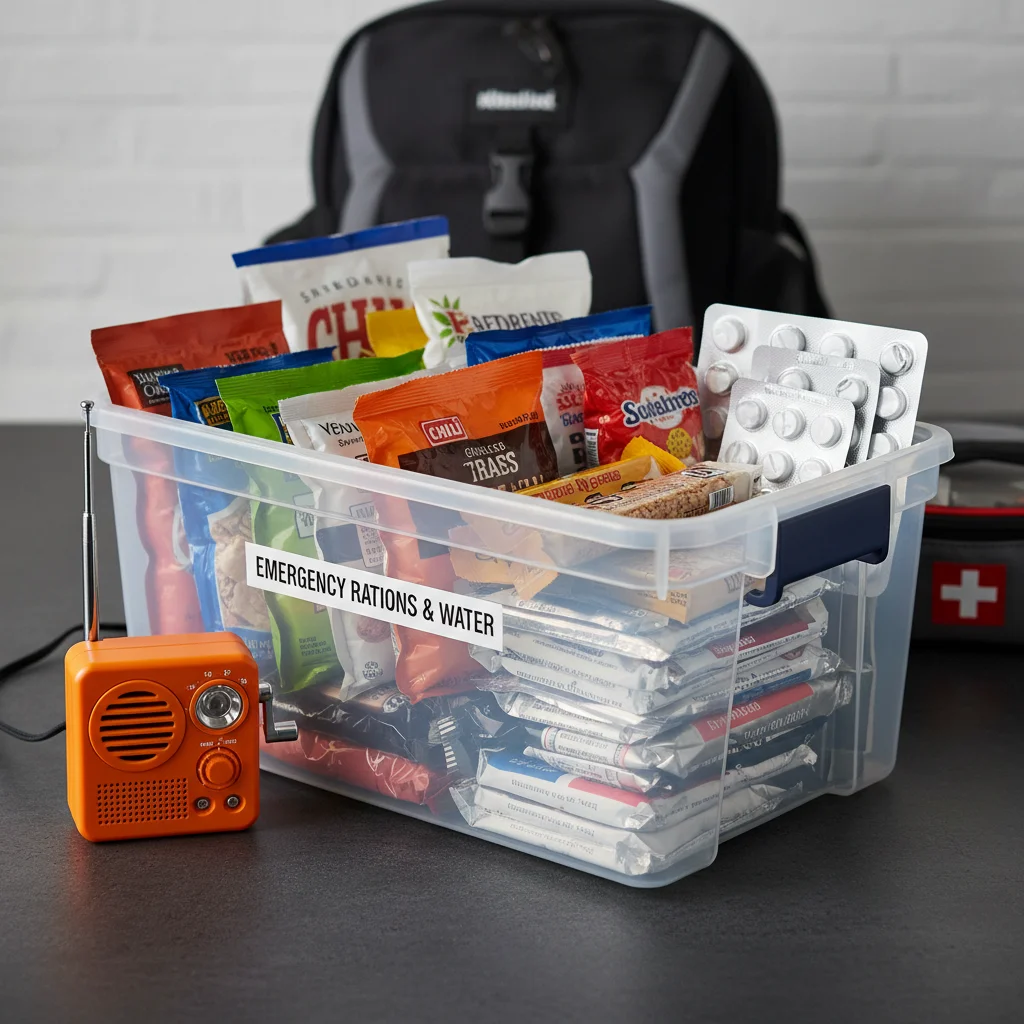
When packing food, consider any dietary restrictions or allergies within your household. Don’t forget a manual can opener if you opt for traditional canned goods, and basic eating utensils. Regularly check expiration dates and rotate your food supply to ensure freshness.
First Aid and Sanitation: Health and Hygiene in a Crisis
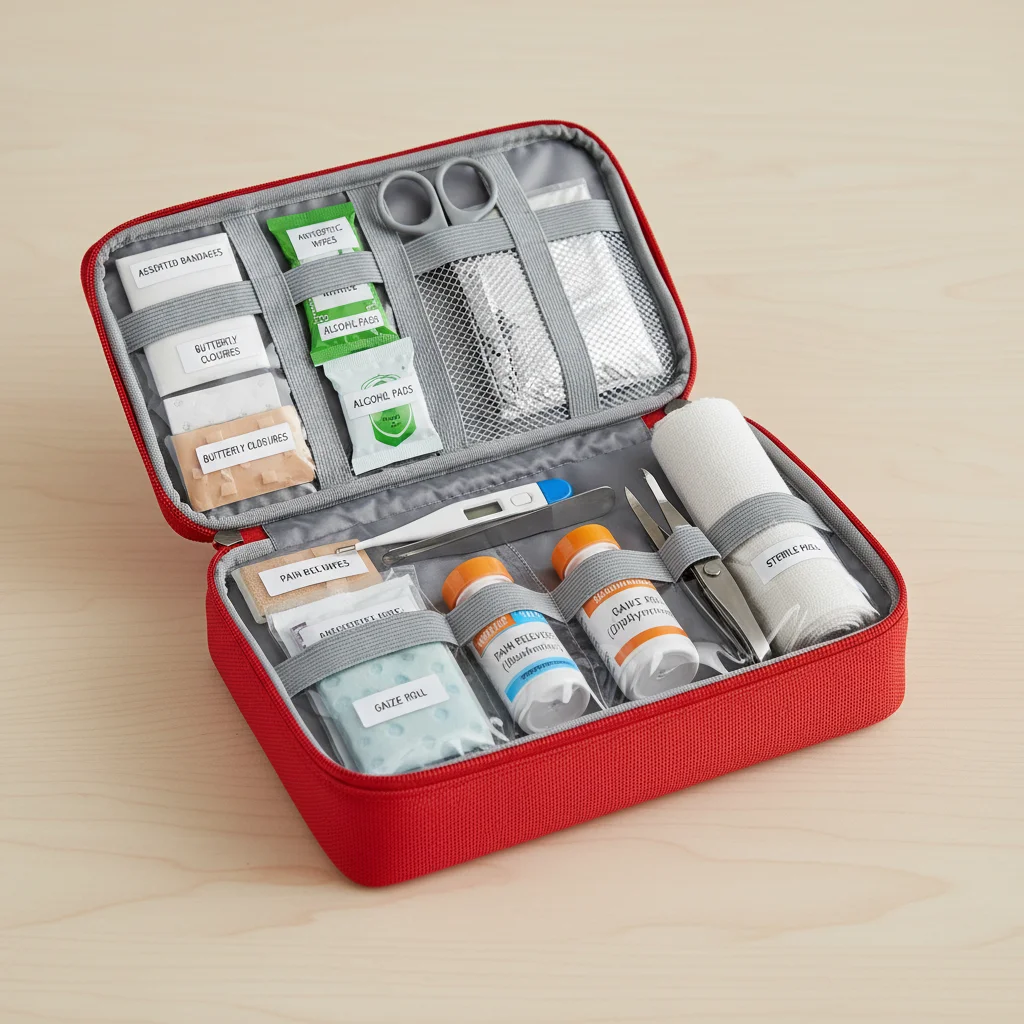
Maintaining health and hygiene is crucial during an emergency to prevent illness and infection. A well-stocked first aid kit and adequate sanitation supplies are indispensable parts of your 72-hour survival kit.
Comprehensive First Aid Kit Essentials
Your first aid kit should be capable of handling minor injuries and illnesses. Consider including:
- Sterile Bandages: Various sizes, including adhesive bandages, gauze pads, and roller bandages.
- Antiseptic Wipes/Solution: For cleaning wounds.
- Medical Tape: For securing bandages.
- Pain Relievers: Acetaminophen or ibuprofen.
- Antihistamines: For allergic reactions.
- Topical Ointments: Antibiotic cream, hydrocortisone cream for itching.
- Scissors and Tweezers: For cutting bandages and removing splinters.
- Disposable Gloves: For hygiene when treating wounds.
- Prescription Medications: A 3-7 day supply of any essential prescription medications for each family member.
- Personal Medical Information: A laminated card with blood types, allergies, and emergency contact information.
Sanitation and Hygiene Supplies
Proper hygiene prevents the spread of disease, especially when water is scarce. Include:
- Hand Sanitizer: Alcohol-based hand sanitizer is invaluable.
- Wet Wipes: For personal cleaning.
- Soap: Bar soap or liquid soap.
- Toilet Paper: A few rolls, stored in waterproof bags.
- Feminine Hygiene Products: Essential for female family members.
- Garbage Bags: For waste disposal and can double as ponchos or ground cover.
- Bucket with Lid: Can serve as an emergency toilet, lined with garbage bags.
Shelter and Warmth: Protection from the Elements
Depending on the type of emergency and your location, having adequate shelter and warmth can be a matter of survival. Even if you plan to shelter in place, a power outage can quickly render your home cold and uncomfortable. Your 72-hour survival kit should address these needs.
Shelter and Warmth Items
- Emergency Blankets (Mylar): Compact, lightweight, and effective at retaining body heat.
- Sleeping Bags/Warm Blankets: If space allows, especially in colder climates.
- Tarp or Plastic Sheeting: Can be used to create a temporary shelter, collect rainwater, or provide ground cover.
- Rope or Cordage: For securing tarps or other shelter materials.
- Tent: A lightweight tent can be a lifesaver if you need to evacuate and cannot find indoor shelter.
- Warm Clothing: Layers of non-cotton clothing (e.g., wool, fleece) that can be added or removed as needed. Include hats, gloves, and waterproof outerwear.
- Matches/Lighter/Fire Starter: For warmth, cooking, and signaling, if safe to do so.
Consider the climate of your region when selecting items for warmth. A summer kit in Florida will differ significantly from a winter kit in Minnesota.
Communication and Light: Staying Informed and Safe
In an emergency, communication channels can be disrupted, and power outages can plunge areas into darkness. Your 72-hour survival kit must include reliable methods for receiving information and providing light.
Communication Tools
- Hand-Crank or Solar-Powered Radio: Essential for receiving emergency broadcasts when traditional power is out. Look for models with a NOAA weather alert function.
- Extra Batteries: For any battery-operated devices. Consider rechargeable batteries and a solar charger.
- Whistle: For signaling for help. Three short blasts are a universal distress signal.
- Fully Charged Power Bank: For charging cell phones or other small electronics.
- Copies of Important Documents: Identification, insurance policies, bank records, and emergency contact lists, all stored in a waterproof bag.
Light Sources
- Flashlights: Multiple flashlights with extra batteries. LED flashlights are energy-efficient.
- Headlamps: Allow for hands-free operation, which is invaluable.
- Chemical Light Sticks: Provide hours of light without batteries and are safe for children.
- Candles (with caution): While providing light and some warmth, candles pose a fire risk and should be used with extreme care.
Ensure everyone in your household knows how to operate these devices, especially the radio and flashlights.
Tools and Miscellaneous Items: Practical Solutions for Unforeseen Problems
Beyond the absolute essentials, a few practical tools and miscellaneous items can significantly enhance your ability to cope with unexpected challenges during an emergency.
Useful Tools for Your Kit
- Multi-tool or Utility Knife: A versatile tool for various tasks.
- Duct Tape: The ultimate fixer-upper for repairs, sealing, and more.
- Work Gloves: To protect hands from injury.
- Adjustable Wrench or Pliers: For turning off utilities (gas, water) if necessary.
- Dust Mask: To filter contaminated air or protect from dust in damaged areas.
- Map of Your Area: A physical map can be crucial if GPS systems are down.
- Cash: Small denominations, as electronic transactions may not be possible.
- Pen and Paper: For leaving notes or keeping records.
Personalized Items
Remember to tailor your 72-hour survival kit to your specific household needs:
- Pet Supplies: Food, water, leash, and any medications for pets.
- Infant Supplies: Formula, diapers, wipes, and any specific medications.
- Entertainment: Books, playing cards, or small toys for children to alleviate boredom and stress.
- Comfort Items: A favorite blanket or stuffed animal for children can provide immense comfort.
Assembling and Organizing Your 72-Hour Survival Kit
Once you’ve gathered all the necessary items, the next step is to properly assemble and organize your 72-hour survival kit. Good organization ensures you can quickly find what you need when stress levels are high.
Storage Solutions
- Backpacks: Individual backpacks for each family member allow for quick grab-and-go evacuation.
- Plastic Totes/Containers: Large, waterproof plastic containers with lids are excellent for storing items if you plan to shelter in place. Label them clearly.
- Waterproof Bags: Use zip-top bags or dry bags to protect sensitive items like documents, matches, and electronics from moisture.
Accessibility and Placement
- Store your 72-hour survival kit in an easily accessible location, such as a closet near an exit, a garage, or a basement.
- Ensure all adult family members know where the kit is located and what it contains.
- Consider having smaller, more portable kits (e.g., a car kit, a work kit) in addition to your main household kit.
Regular Maintenance and Review of Your Kit
A 72-hour survival kit is not a one-and-done project. It’s a living document, or rather, a living collection of items that requires periodic review and maintenance. This ensures that all components are up-to-date, functional, and ready when you need them most.
Maintenance Schedule
- Every 6-12 Months:
- Check expiration dates on food, water, and medications. Replace as needed.
- Test batteries in flashlights and radios. Replace if necessary.
- Ensure clothing still fits, especially for growing children.
- Review any changes in family needs (new prescriptions, allergies, etc.).
- Update important documents if there have been changes.
- Annually:
- Conduct a full inventory of your kit.
- Practice using some of the items, such as the water filter or fire starter, to familiarize yourself with their operation.
- Discuss your emergency plan with your family.
Documentation and Family Plan
Beyond the physical kit, a written emergency plan is crucial. This plan should include:
- Evacuation Routes: Primary and secondary routes from your home.
- Meeting Places: A designated meeting place outside your home for immediate emergencies (e.g., fire) and a secondary meeting place outside your neighborhood for larger-scale evacuations.
- Out-of-State Contact: A contact person who lives out of the area whom family members can call if separated.
- Emergency Contact List: Phone numbers for emergency services, doctors, family, and friends.
- Special Needs Information: Details regarding any family members with disabilities or chronic health conditions.
Beyond the 72-Hour Survival Kit: Building Community Resilience
While your personal 72-hour survival kit is a vital step, true resilience extends beyond individual households. Engaging with your community, understanding local emergency plans, and participating in neighborhood preparedness initiatives can significantly enhance overall safety and recovery efforts.
- Know Your Neighbors: Establish connections with neighbors to offer mutual aid during emergencies.
- Community Emergency Response Teams (CERT): Consider joining or forming a CERT in your area. These programs train citizens in basic disaster response skills.
- Local Emergency Management Agency: Familiarize yourself with your local emergency management agency’s plans and resources.
- First Aid and CPR Training: Basic medical training can be invaluable in a crisis.
Conclusion: Your Path to Preparedness in 2026
Building a comprehensive 72-hour survival kit is an act of responsibility and love for your family. It’s about taking proactive steps to mitigate the impact of unforeseen events and ensuring that you and your loved ones can navigate the initial critical hours of a disaster with greater safety and confidence. As we move further into 2026, the emphasis on personal preparedness will only grow.
By following the guidelines outlined in this article – meticulously planning for water, food, first aid, shelter, communication, and essential tools – you equip yourself with the means to weather most short-term emergencies. Remember, preparedness is an ongoing journey, not a destination. Regular review, maintenance, and community engagement will solidify your household’s resilience and contribute to a safer future for everyone.
Don’t wait for a disaster to strike. Start building and refining your 72-hour survival kit today, and gain the peace of mind that comes with knowing you’re ready for whatever challenges 2026 and beyond may bring.