Essential 72-Hour Emergency Preparedness Kit 2026: Your Household’s Guide
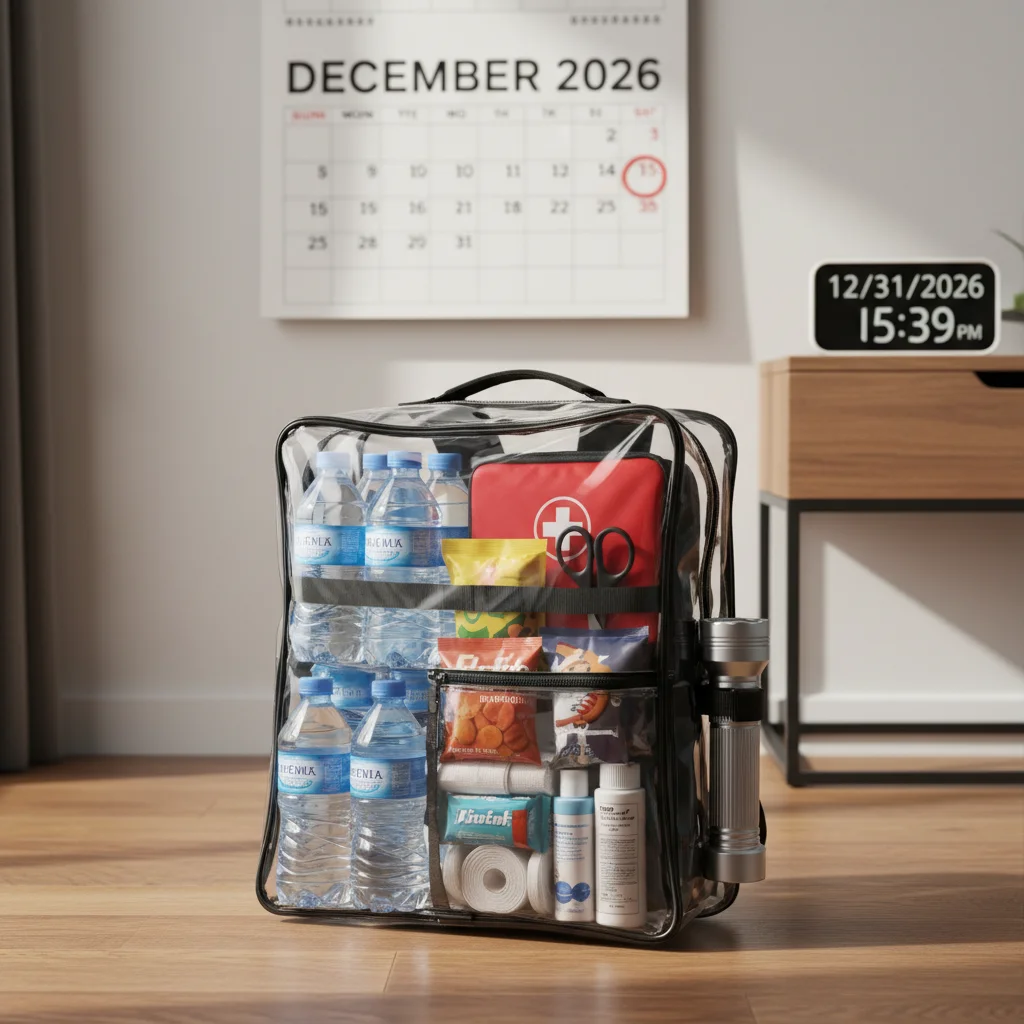
In an increasingly unpredictable world, the importance of emergency preparedness cannot be overstated. For every household in the United States, having a robust 72-hour emergency kit is not just a recommendation; it’s a fundamental necessity. This comprehensive guide will walk you through everything you need to know to assemble an effective and up-to-date emergency kit for 2026, ensuring your family’s safety and self-sufficiency during the crucial first three days following a disaster.
Disasters, whether natural or man-made, can strike without warning, disrupting essential services like power, water, and communication. In such scenarios, emergency responders may be overwhelmed, and it could take up to 72 hours, or even longer, for help to reach everyone. This is where your 72-hour emergency kit becomes your lifeline, providing the basic necessities to sustain your household until professional assistance arrives or services are restored. Preparing now means peace of mind later.
Understanding the ’72-Hour’ Concept: Why It Matters for Your Household
The 72-hour timeframe is a critical benchmark in disaster preparedness. It represents the estimated period during which a household might be isolated and without external support after a significant emergency. During these initial three days, you’ll need to rely entirely on the resources you have on hand. This concept underpins the design of the 72-hour emergency kit, focusing on immediate survival needs such as water, food, shelter, communication, and first aid.
Considering the evolving nature of emergencies, from extreme weather events to potential infrastructure failures, a static emergency kit is insufficient. This guide for 2026 emphasizes not only the core components but also modern considerations like updated communication tools, sanitation advancements, and personalized needs that reflect contemporary living. A well-thought-out 72-hour emergency kit is more than just a collection of items; it’s a proactive strategy for resilience.
Water: The Foremost Priority in Your 72-Hour Emergency Kit
Water is arguably the most critical item in any emergency kit. Without potable water, survival beyond a few days is impossible. The general recommendation is one gallon of water per person per day for drinking and sanitation. For a 72-hour period, this translates to three gallons per person. However, it’s always wise to err on the side of caution and consider storing more, especially if you have pets, live in a hot climate, or have individuals with specific medical needs.
Storage and Purification Solutions for Your 72-Hour Emergency Kit
Firstly, store water in clean, opaque, food-grade containers in a cool, dark place. Rotate your water supply every six months to ensure freshness. Beyond stored water, your 72-hour emergency kit should include water purification methods. This is crucial if your primary water supply runs out or becomes contaminated.
- Water Purification Tablets: Lightweight and effective, these tablets can purify questionable water sources. Ensure they are not expired.
- Portable Water Filters: Devices like Lifestraws or Sawyer filters can remove bacteria and protozoa from water, making it safe to drink.
- Boiling: While not always feasible without power, including a small pot and heat source in your kit can allow for boiling water, which kills most harmful organisms.
- Bleach (Unscented Household Bleach): In a pinch, a few drops of unscented household bleach can disinfect water. Research proper ratios and procedures.
Remember, access to clean water impacts not just hydration but also hygiene, which is vital in preventing illness during a crisis. Regularly check and refresh your water supplies as part of your 72-hour emergency kit maintenance.
Food: Sustaining Energy and Morale for 72 Hours
Non-perishable food items are the next cornerstone of your 72-hour emergency kit. The goal is to provide enough calories and nutrients to sustain energy levels without requiring cooking, refrigeration, or significant preparation. Think about foods that are easy to eat, high in energy, and have a long shelf life.
Ideal Food Choices for Your 72-Hour Emergency Kit
- Canned Goods: Vegetables, fruits, beans, and meats (with a manual can opener). Choose pop-top cans where possible.
- High-Energy Bars: Granola bars, protein bars, and survival bars are compact and calorie-dense.
- Dried Fruits and Nuts: Excellent sources of energy and nutrients.
- Peanut Butter: High in protein and calories, and shelf-stable.
- Crackers and Cereals: Provide carbohydrates for quick energy.
- Comfort Foods: Small treats like hard candy or chocolate can boost morale.
When selecting food for your 72-hour emergency kit, consider dietary restrictions, allergies, and the preferences of everyone in your household, including infants and elderly family members. Rotate your food supply every 6-12 months to ensure freshness and prevent spoilage. Label items with their expiration dates for easy tracking.
First Aid and Health: Essential Medical Preparedness
A well-stocked first-aid kit is non-negotiable for any 72-hour emergency kit. In an emergency, minor injuries can become serious if not properly treated, and access to medical professionals might be delayed. Your kit should be comprehensive enough to handle cuts, scrapes, burns, sprains, and other common ailments.
Key Components of a Robust First-Aid Kit
- Sterile Bandages and Dressings: Various sizes, including adhesive bandages, gauze pads, and roller bandages.
- Antiseptic Wipes and Ointment: For cleaning wounds and preventing infection.
- Pain Relievers: Ibuprofen, acetaminophen, or aspirin.
- Allergy Medication: Antihistamines for allergic reactions.
- Prescription Medications: A 7-day supply of any essential prescription drugs for each family member. Ensure these are rotated regularly to prevent expiration.
- Medical Tape and Scissors: For securing dressings and cutting materials.
- Tweezers: For splinter removal.
- Gloves: Non-latex gloves for hygiene.
- Hand Sanitizer: When soap and water are unavailable.
- Any Personal Medical Devices: EpiPens, inhalers, glucose monitors, etc.
Consider taking a basic first-aid course to familiarize yourself with how to use the items in your kit effectively. Knowing how to perform CPR or treat severe bleeding can be life-saving skills during a crisis. This aspect of your 72-hour emergency kit is about empowering you to act confidently when professional help isn’t immediately available.
Communication and Information: Staying Connected and Informed
In an emergency, communication channels can be disrupted. Power outages can render cell phones useless, and traditional landlines might be down. Your 72-hour emergency kit needs reliable tools to receive information and, if possible, communicate with loved ones.
Essential Communication Tools for Your 72-Hour Emergency Kit
- Battery-Powered or Hand-Crank Radio: A NOAA weather radio with tone alert and a flashlight function is ideal for receiving emergency broadcasts.
- Extra Batteries: For all battery-operated devices. Consider rechargeable batteries with a solar charger.
- Whistle: To signal for help.
- Fully Charged Power Bank: For charging cell phones or other small electronic devices.
- Copies of Important Documents: Identification, insurance policies, medical records, and bank account information. Store them in a waterproof bag.
- Local Maps: If GPS is unavailable, physical maps can be crucial for navigation.
- Emergency Contact Information: A written list of important phone numbers, including family, doctors, and emergency services.
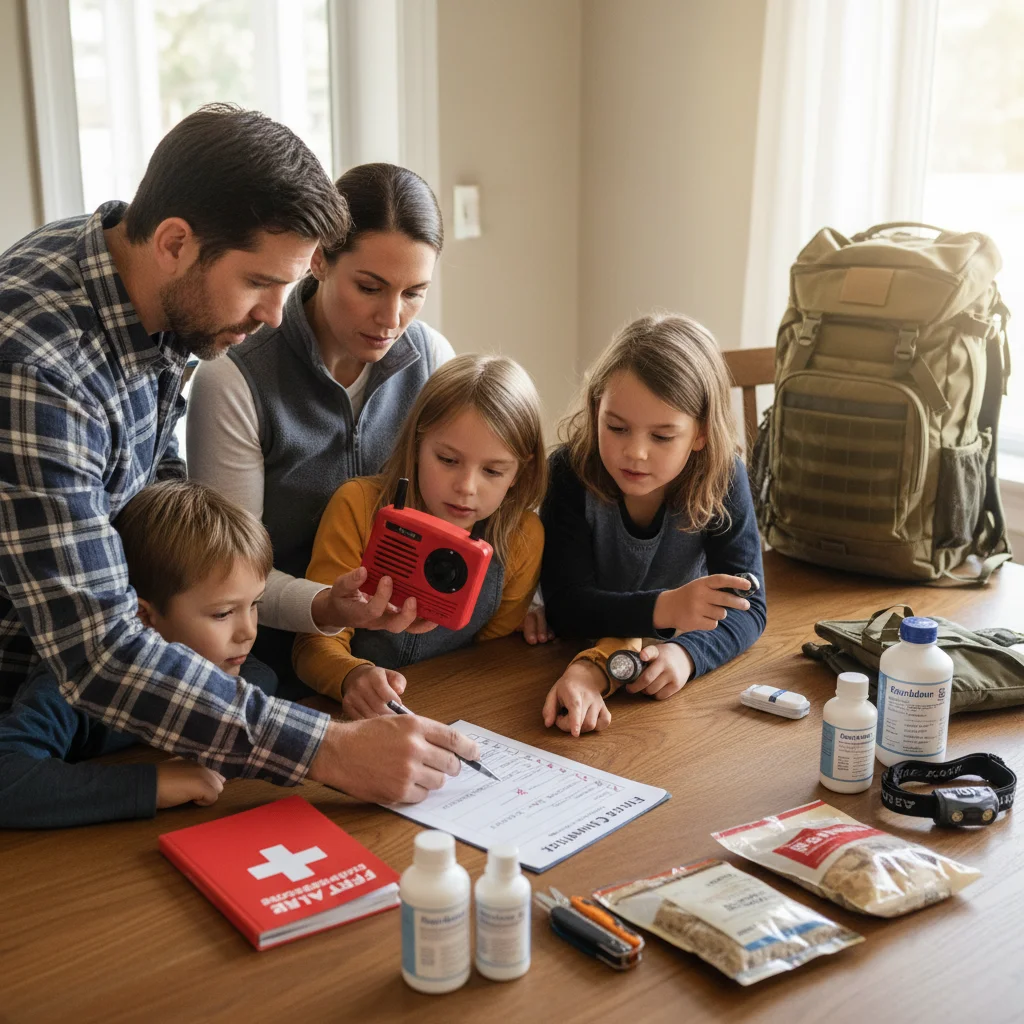
Establishing an out-of-state contact for family members to check in with can also be beneficial if local communication lines are overwhelmed. Discuss and practice your family communication plan as part of your overall emergency preparedness strategy. This ensures everyone knows what to do and who to contact if separated.
Shelter and Warmth: Protecting Against the Elements
Depending on the type of emergency, you might need to shelter in place or evacuate. In either scenario, maintaining body temperature and having a degree of comfort is vital. Your 72-hour emergency kit should include items to provide warmth and basic shelter.
Shelter and Warmth Essentials for Your 72-Hour Emergency Kit
- Emergency Blankets (Mylar/Space Blankets): Compact and highly effective at retaining body heat.
- Sleeping Bags or Warm Blankets: If space permits and your climate necessitates it.
- Tarp or Plastic Sheeting: Can be used for temporary shelter, ground cover, or to collect rainwater.
- Rope or Cordage: For securing tarps or other shelter materials.
- Tent: A small, lightweight tent if evacuation is a likely scenario and you anticipate needing outdoor shelter.
- Warm Clothing: Layers of clothing, including waterproof outerwear, hats, and gloves, suitable for your region’s climate.
Even if sheltering at home, power outages can make maintaining warmth challenging, especially in colder months. These items in your 72-hour emergency kit help mitigate the risks of hypothermia and exposure, which can quickly become life-threatening.
Lighting and Tools: Practical Aids for Emergency Situations
When the power goes out, darkness can be disorienting and dangerous. Having reliable light sources and basic tools in your 72-hour emergency kit is essential for navigating your home, making repairs, and generally improving safety.
Crucial Lighting and Tools for Your 72-Hour Emergency Kit
- Flashlights: Several, with extra batteries. Headlamps are also excellent as they free up your hands.
- Lantern: A battery-powered or solar-powered lantern can illuminate a larger area.
- Matches or Lighters: Stored in a waterproof container.
- Multi-tool or Utility Knife: Invaluable for various tasks, from opening cans to minor repairs.
- Wrench or Pliers: To turn off utilities (gas, water) if necessary.
- Duct Tape: A versatile tool for temporary repairs.
- Work Gloves: To protect hands during cleanup or repairs.
These tools, though seemingly simple, can make a significant difference in your ability to manage and adapt during the initial 72 hours of an emergency. Ensure all battery-operated items are checked periodically, and batteries are replaced as needed.
Sanitation and Hygiene: Maintaining Health and Dignity
Maintaining proper hygiene is crucial during an emergency to prevent the spread of germs and disease. Water might be scarce, and plumbing systems could be non-functional. Your 72-hour emergency kit must address basic sanitation needs.
Hygiene Essentials for Your 72-Hour Emergency Kit
- Toilet Paper: Individually wrapped rolls are best.
- Wet Wipes: For personal hygiene when water is limited.
- Hand Sanitizer: Alcohol-based hand sanitizer.
- Soap: Biodegradable soap if possible.
- Feminine Hygiene Products: Tampons, pads.
- Garbage Bags: For waste disposal and can also serve as makeshift ponchos or ground covers.
- Plastic Bucket with Lid: Can serve as an emergency toilet. Include cat litter or sawdust to absorb waste and odors.
- Toothbrushes and Toothpaste: Basic oral hygiene.
Addressing sanitation in your 72-hour emergency kit helps maintain morale and prevents secondary health issues, which can be just as debilitating as the initial emergency itself. Teach family members how to conserve water for hygiene purposes.
Special Needs and Considerations: Personalizing Your 72-Hour Emergency Kit
Every household is unique, and your 72-hour emergency kit must reflect the specific needs of its members. Generic kits often overlook crucial personalized items that can make a world of difference during a crisis.
Tailoring Your 72-Hour Emergency Kit
- Infants and Young Children: Formula, diapers, wipes, baby food, medications, comfort items (blanket, toy).
- Elderly or Individuals with Disabilities: Specific medications, mobility aids, hearing aid batteries, extra eyeglasses, adult diapers if needed.
- Pets: Pet food, water, medications, leash, carrier, comfort items, vaccination records.
- Medical Conditions: Specific medical supplies (e.g., insulin, syringes, blood sugar monitor, oxygen tank).
- Allergies: Epinephrine auto-injectors (EpiPens), allergy medications.
- Entertainment: Books, playing cards, small games to combat boredom and stress, especially for children.
Regularly review these personalized items, checking expiration dates on medications and rotating food and formula. Your 72-hour emergency kit should evolve with your family’s needs. 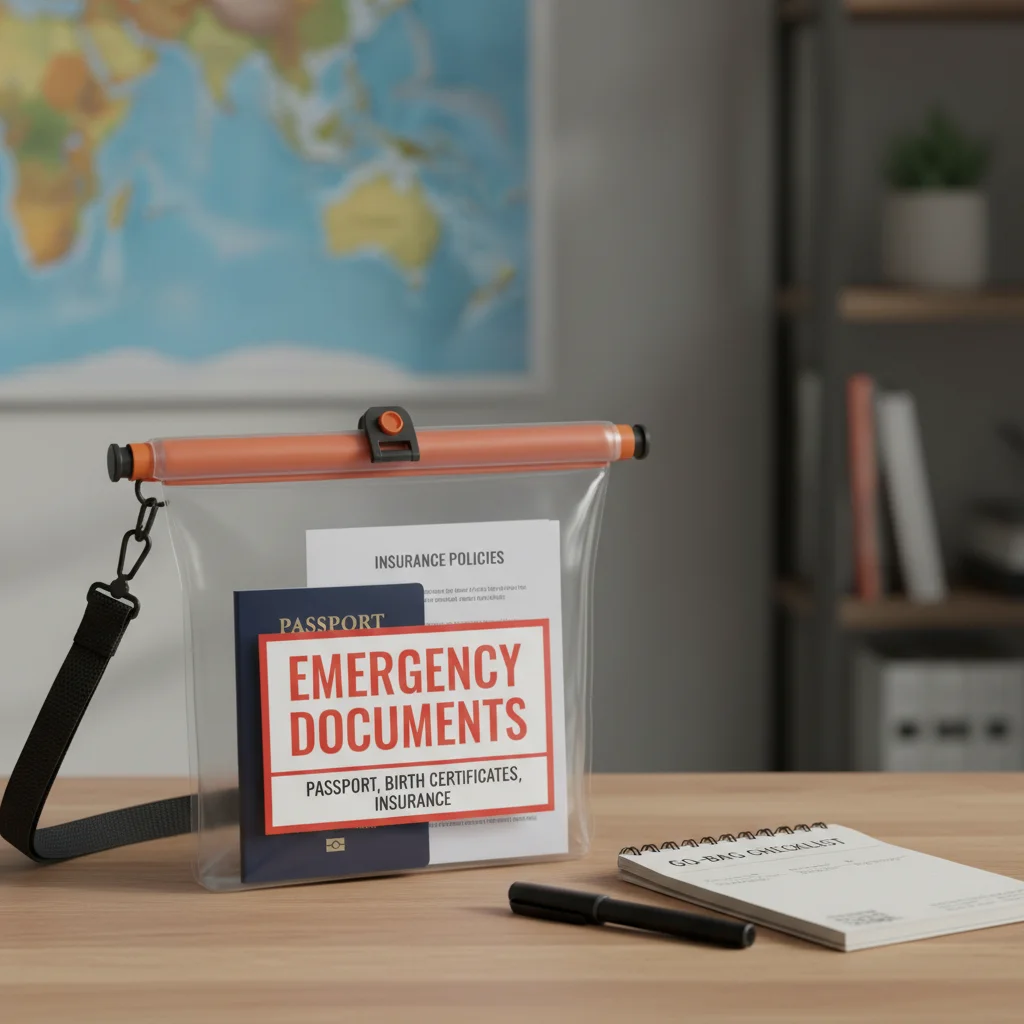
Assembling and Maintaining Your 72-Hour Emergency Kit
Once you’ve gathered all the necessary items, proper assembly and ongoing maintenance are key to ensuring your 72-hour emergency kit is ready when you need it.
Best Practices for Your 72-Hour Emergency Kit
Storage: Store your kit in an accessible location, such as a closet near an exit, a garage, or a basement. Use sturdy, waterproof containers like backpacks, duffel bags, or plastic bins with lids. Consider having smaller, portable kits for each family member, especially if evacuation is a possibility.
Organization: Label containers clearly. Organize items logically (e.g., all food together, all first aid together). Use smaller bags within larger containers to keep things tidy and easy to find in stressful situations.
Regular Review and Rotation: This is perhaps the most overlooked aspect. At least once a year, or ideally every six months, review your entire 72-hour emergency kit. Check expiration dates on food, water, and medications. Replace batteries. Test flashlights and radios. Update clothing sizes for children. Adjust items based on seasonal weather changes.
Family Involvement: Involve all family members in the assembly and review process. Ensure everyone knows where the kit is located and understands its contents. Practice using some of the items, like the radio or flashlight, so everyone is familiar with their operation.
"Go Bag" vs. "Shelter-in-Place" Kit: While this guide focuses on a comprehensive 72-hour emergency kit, it’s worth considering two types: a "Go Bag" (for evacuation, lightweight and portable) and a "Shelter-in-Place" kit (for staying at home, can be larger and contain more items). Many items overlap, but the emphasis on portability differs.
Beyond the Kit: The Importance of a Family Emergency Plan
A 72-hour emergency kit is a vital component of preparedness, but it’s only one piece of the puzzle. A comprehensive family emergency plan ensures that everyone knows what to do before, during, and after a disaster.
Key Elements of a Family Emergency Plan
- Emergency Contacts: Compile a list of important contacts, including out-of-state relatives.
- Meeting Points: Establish an internal meeting point (e.g., a room in your home) and an external meeting point (e.g., a neighbor’s house, a local landmark) in case of evacuation or separation.
- Evacuation Routes: Know multiple routes out of your neighborhood and town.
- Shelter-in-Place Procedures: Understand how to secure your home during different types of emergencies.
- Communication Strategy: How will you contact each other if cell service is down? (e.g., text messages often work when calls don’t, using social media, designated contact person).
- Pet Plan: What will you do with your pets? Where will they go?
Practice your plan regularly, just as you would refresh your 72-hour emergency kit. The more familiar your family is with the plan, the more effectively you can respond when an actual emergency occurs. This proactive approach significantly reduces panic and improves the chances of a positive outcome.
Conclusion: Prioritizing Preparedness for 2026 and Beyond
As we navigate 2026 and look towards the future, the unpredictable nature of global events and climate patterns underscores the critical need for robust emergency preparedness. A meticulously assembled and regularly updated 72-hour emergency kit is an investment in your family’s safety, security, and peace of mind. It’s about empowering your household to be self-sufficient during those crucial initial days when external help might be delayed.
By following this comprehensive guide, addressing water, food, first aid, communication, shelter, tools, sanitation, and personalized needs, you can build a resilient foundation for any unforeseen event. Remember, preparedness is an ongoing process, not a one-time task. Regularly reviewing and updating your 72-hour emergency kit and practicing your family emergency plan will ensure that you are always ready to face whatever challenges lie ahead. Take action today – your family’s safety depends on it.