US Immigration Policy 2026: Forecast & Future Trends

Decoding the Future: A Comprehensive 2026 US Immigration Policy Forecast
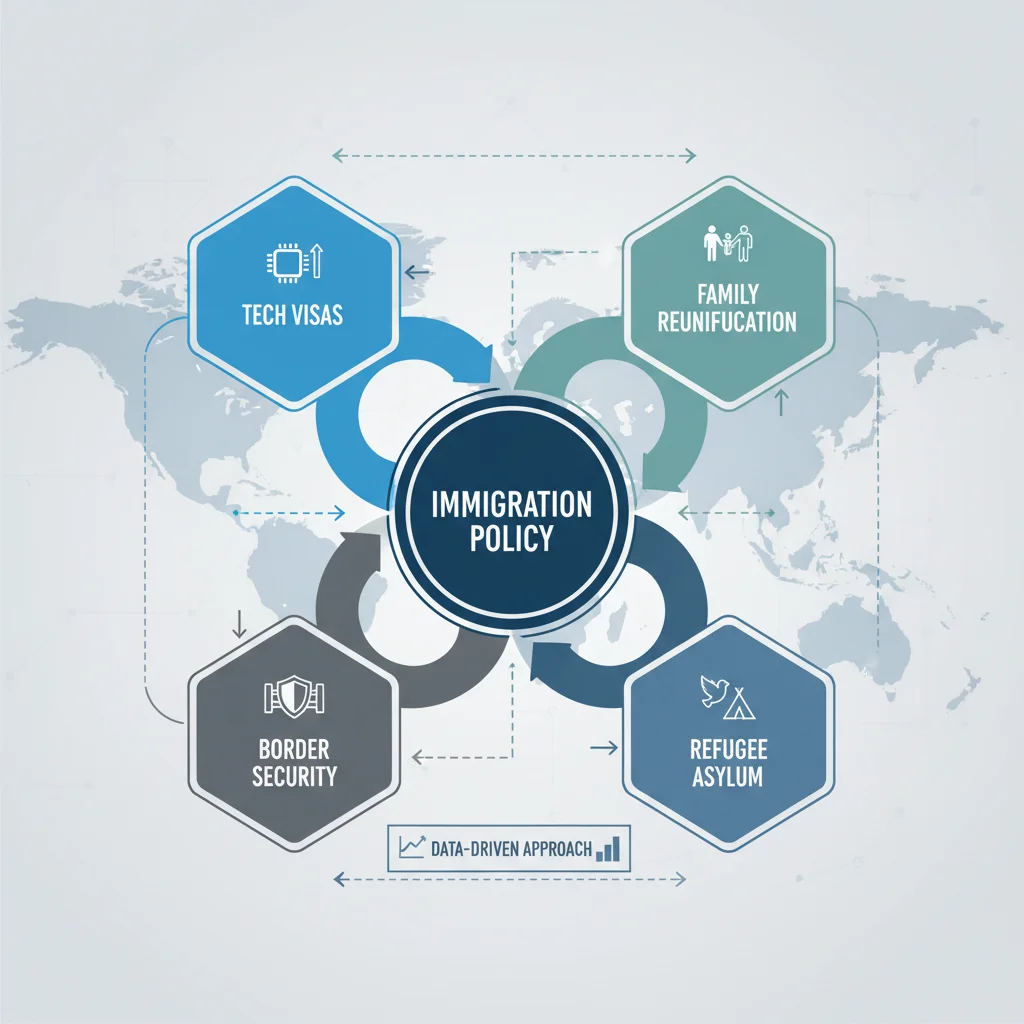
The landscape of US immigration is perpetually in flux, a dynamic arena shaped by political shifts, economic imperatives, and global events. As we cast our gaze towards 2026, the anticipation surrounding potential changes in US immigration policy intensifies. For millions worldwide, these policies dictate opportunities, separate or unite families, and chart the course for professional aspirations. Understanding the nuanced trends and potential legislative developments is not merely an academic exercise; it’s a critical necessity for anyone with a vested interest in living, working, or establishing a future in the United States. This article provides an in-depth US Immigration 2026 forecast, exploring four pivotal trends that are poised to redefine the experience for future residents.
The year 2026, though seemingly distant, is a crucial horizon for policy planning and strategic preparation. The decisions made and the legislation enacted in the preceding years will culminate in the operational framework governing immigration. From highly skilled workers seeking H-1B visas to families pursuing reunification, and from asylum seekers navigating complex humanitarian pathways to entrepreneurs looking to invest, every facet of the immigration system is subject to potential transformation. Our analysis will delve into the driving forces behind these anticipated changes, offering a comprehensive outlook on what to expect.
Trend 1: The Evolving Stance on High-Skilled Immigration and Economic Competitiveness
One of the most consistently debated aspects of US immigration policy revolves around high-skilled workers. The United States has long been a magnet for global talent, attracting innovators, scientists, engineers, and medical professionals who contribute significantly to its economic growth and technological advancement. However, the mechanisms for granting visas to these individuals, particularly the H-1B program, often face scrutiny and calls for reform.
For US Immigration 2026, we anticipate a continued, if not intensified, focus on aligning immigration policies with national economic competitiveness. This trend is driven by several factors:
- Global Competition for Talent: Other developed nations are aggressively competing for skilled workers, offering streamlined visa processes and attractive incentives. The US may feel increasing pressure to modernize its system to retain its competitive edge.
- Technological Advancements: The rapid pace of technological change, especially in areas like Artificial Intelligence, biotechnology, and green energy, creates new demands for specialized skills. Policies are likely to adapt to facilitate the entry of professionals in these critical sectors.
- Domestic Workforce Development: Alongside attracting foreign talent, there will likely be ongoing discussions about investing in domestic education and training. Immigration policies may seek to complement, rather than substitute, the development of the American workforce.
Potential Policy Adjustments:
- H-1B Reform: Expect continued debate over the H-1B visa program. This could include adjustments to the annual cap, changes to the lottery system, or a shift towards a points-based system that prioritizes specific skills, higher education, or higher wage offers. The goal would be to ensure that the visas are utilized for genuinely high-skilled roles and to minimize potential exploitation.
- Green Card Backlogs: The persistent backlogs for employment-based green cards, particularly for individuals from countries like India and China, are a major point of contention. There’s a strong possibility of legislative efforts to address these backlogs, perhaps through per-country cap adjustments or recapturing unused visas from previous years. This would be a significant development for many skilled professionals planning their long-term future in the US.
- Startup Visas and Entrepreneurship: Recognizing the economic benefits of immigrant entrepreneurship, there might be renewed interest in creating or expanding visa categories specifically for founders of innovative startups. This could stimulate job creation and foster new industries within the US.
- Sector-Specific Visas: It’s conceivable that the US government might explore creating more sector-specific visa programs to attract talent in strategically important fields, similar to how certain medical professions have specialized pathways. This targeted approach would allow the US to address specific labor shortages more effectively.
Businesses relying on foreign talent, and individuals aspiring to work in the US, should closely monitor these developments. The ability to adapt to evolving visa requirements and capitalize on new pathways will be crucial in the coming years.
Trend 2: Heightened Focus on Border Security and Enforcement
Border security and immigration enforcement remain perennial hot-button issues in US politics, and their prominence is unlikely to wane by 2026. Public discourse often oscillates between calls for more robust enforcement and demands for more humane and efficient processing of asylum claims and legal entries. This trend will undoubtedly shape the operational aspects of US Immigration 2026, influencing both legal and irregular migration pathways.
The drivers behind this sustained focus include:
- Political Polarization: Immigration often serves as a central theme in political campaigns, leading to strong rhetoric and policy proposals from across the political spectrum.
- Increased Migratory Pressures: Global instability, economic disparities, and climate change continue to drive significant migratory movements worldwide, putting pressure on US borders.
- Technological Integration: The use of advanced surveillance technologies, AI, and data analytics in border management is expanding, promising more sophisticated, albeit controversial, enforcement capabilities.
Anticipated Measures and Impacts:
- Increased Border Patrol Funding and Personnel: Regardless of the political party in power, there is generally bipartisan support for enhancing the resources available to Customs and Border Protection (CBP) and Immigration and Customs Enforcement (ICE). This could mean more agents, improved infrastructure, and advanced technology at the southern and northern borders.
- Streamlined Asylum Processing vs. Deterrence: While there may be efforts to streamline the asylum process to reduce backlogs and improve efficiency, there will also likely be continued measures aimed at deterring irregular crossings. This could include expanding expedited removal processes, increasing detention capacities, or strengthening agreements with transit countries.
- E-Verify Expansion: The E-Verify system, which allows employers to electronically confirm the eligibility of their employees to work in the United States, might see expanded mandates or increased enforcement. This would have significant implications for businesses and could lead to more stringent hiring practices.
- Technological Solutions: Expect further investment in border surveillance technology, including drones, ground sensors, and advanced data analytics to identify and track individuals. The ethical implications and effectiveness of these technologies will likely remain subjects of debate.
For individuals and organizations, understanding the evolving enforcement landscape is crucial. Legal compliance and awareness of rights will become even more paramount in an environment of potentially heightened scrutiny.
Trend 3: The Persistent Importance of Family-Based Immigration
Family reunification has always been a cornerstone of US immigration law, reflecting deeply held societal values. Despite periodic calls for a shift towards a more merit-based system, the principle of keeping families together is likely to remain a significant, albeit potentially modified, component of US Immigration 2026 policies.
The dynamics influencing family-based immigration include:
- Humanitarian Considerations: The desire to unite spouses, children, and parents is a powerful and often emotionally charged aspect of immigration policy.
- Advocacy Groups: Strong advocacy from immigrant rights organizations and ethnic communities consistently champions the importance of family reunification.
- Economic and Social Integration: Family ties are often seen as crucial for the successful integration of immigrants into American society, providing support networks and contributing to community stability.
Potential Changes and Continuities:
- Backlog Reduction Efforts: Similar to employment-based categories, family-based visa categories face substantial backlogs, particularly for siblings and adult children of US citizens and lawful permanent residents. There may be legislative attempts to address these backlogs, possibly by reallocating unused visas or adjusting per-country limits, though this is often a politically challenging endeavor.
- Definition of ‘Family’: While unlikely to change drastically, there could be ongoing discussions or minor adjustments to the definition of eligible family members for sponsorship, perhaps influenced by evolving societal norms or specific political agendas.
- Sponsorship Requirements: Expect continued scrutiny of financial sponsorship requirements to ensure that immigrants do not become a public charge. These requirements could be tightened or clarified to prevent potential strain on social services.
- Processing Efficiency: Efforts to modernize and digitize the application process for family-based visas could lead to greater efficiency, reducing processing times and improving the overall experience for applicants. This would be a welcome development for many.
Families planning to immigrate or sponsor relatives should diligently prepare all necessary documentation and stay updated on processing times and any new requirements. Proactive engagement with legal counsel specializing in family immigration will be invaluable.
Trend 4: The Increasing Role of Climate Change and Humanitarian Crises in Migration Policy
The global impact of climate change and the proliferation of humanitarian crises are increasingly recognized as significant drivers of migration. By 2026, these factors are expected to play a more prominent role in shaping US immigration policy, particularly concerning asylum and refugee programs. The concept of ‘climate refugees’ is gaining traction, posing new challenges for existing legal frameworks.
Key influences in this trend include:
- Global Warming’s Impact: Rising sea levels, extreme weather events, and desertification are displacing populations, especially in vulnerable regions, leading to increased pressure on international borders.
- Geopolitical Instability: Ongoing conflicts, political persecution, and economic collapse in various parts of the world continue to generate significant numbers of asylum seekers and refugees.
- International Cooperation: The US will likely face increasing pressure from international bodies and allies to contribute to global solutions for displaced populations.
Policy Implications for US Immigration 2026:
- Asylum System Reform: The US asylum system is currently under immense strain. We can anticipate significant efforts to reform it, aiming for a balance between expeditious processing of legitimate claims and deterring unfounded ones. This could involve changes to credible fear interviews, asylum eligibility criteria, and appellate processes.
- Temporary Protected Status (TPS) Reassessment: The use and expansion of Temporary Protected Status (TPS) for individuals from countries experiencing environmental disasters or armed conflict will likely continue to be debated. There may be efforts to create clearer guidelines or alternative pathways for populations affected by climate change.
- Refugee Resettlement Programs: The annual refugee admission ceiling is a highly political topic. While fluctuating based on administration priorities, there may be growing recognition of the need for robust refugee resettlement programs in response to global crises.
- Humanitarian Parole: The use of humanitarian parole, which allows individuals to enter the US temporarily for urgent humanitarian reasons, could see expanded or more formalized application in response to specific crises.

Navigating these complex humanitarian pathways requires a deep understanding of international law and US domestic policy. Individuals seeking protection and organizations assisting them must remain vigilant and adaptable to policy shifts.
Cross-Cutting Themes Influencing All Trends
Beyond these four specific trends, several overarching themes will continue to exert significant influence on the entirety of US Immigration 2026 policy:
- Political Climate and Elections: The outcome of upcoming elections will undeniably shape the ideological direction of immigration policy. A change in administration can lead to wholesale shifts in priorities, enforcement postures, and legislative agendas.
- Economic Conditions: The state of the US economy will always be a major determinant. Periods of economic growth might lead to more open policies for skilled workers, while economic downturns could fuel protectionist sentiments.
- Technological Integration: The increasing use of technology, from AI in visa processing to biometric identification, will continue to transform how immigration is managed. This brings both efficiencies and new ethical considerations regarding privacy and data security.
- Public Opinion: Shifting public sentiments regarding immigration, influenced by media, social discourse, and personal experiences, will continue to play a role in shaping political will and policy development.
- International Relations: Bilateral and multilateral agreements with other countries will influence border management, refugee resettlement, and the sharing of immigration data.
Preparing for the Future: Advice for Prospective Immigrants and Stakeholders
Given the dynamic nature of US Immigration 2026, proactive preparation is paramount. Here’s how various stakeholders can best position themselves:
For Individuals and Families:
- Stay Informed: Regularly consult official government websites (USCIS, Department of State), reputable legal news sources, and immigration advocacy groups for updates.
- Seek Legal Counsel: Engage with an experienced immigration attorney early in your process. They can provide personalized advice, help navigate complex regulations, and adapt to policy changes.
- Document Everything: Maintain meticulous records of all personal documents, educational qualifications, employment history, and financial statements. Delays often occur due to incomplete or inaccurate documentation.
- Understand Eligibility: Thoroughly research the eligibility criteria for your desired visa category. Be realistic about your chances and explore alternative pathways if necessary.
- Consider Education and Skills: Invest in education and acquire skills that are in demand in the US labor market. This can significantly enhance your prospects for employment-based immigration.
For Businesses and Employers:
- Monitor Visa Programs: Keep a close watch on changes to H-1B, L-1, O-1, and other relevant work visa programs. Understand the implications for your recruitment and retention strategies.
- Compliance is Key: Ensure strict compliance with all immigration laws and regulations, especially regarding E-Verify and I-9 verification. Penalties for non-compliance can be severe.
- Strategic Planning: Develop long-term strategies for talent acquisition that account for potential immigration policy shifts. Diversify your talent pipeline and explore domestic training initiatives.
- Engage with Policy Makers: Consider joining industry associations that advocate for sensible immigration policies that support business needs and economic growth.
For Advocacy Groups and Non-Profits:
- Advocate for Comprehensive Reform: Continue to push for humane, efficient, and equitable immigration policies that address the needs of all immigrants.
- Provide Support and Resources: Offer legal aid, educational resources, and community support to help immigrants navigate the complex system.
- Educate the Public: Counter misinformation and promote a nuanced understanding of immigration’s benefits and challenges.
Conclusion: Navigating the Shifting Sands of US Immigration Policy
The US Immigration 2026 forecast reveals a landscape characterized by both continuity and significant potential transformation. While core principles like economic competitiveness and family reunification are likely to endure, the specific mechanisms and priorities will undoubtedly evolve. The increasing impact of global forces, particularly climate change and humanitarian crises, will add new layers of complexity to an already intricate system.
For prospective immigrants, current residents, and all stakeholders, the key to navigating this evolving environment lies in vigilance, adaptability, and informed decision-making. By understanding the four major trends outlined – the focus on high-skilled immigration, heightened border security, the enduring importance of family-based pathways, and the growing influence of humanitarian factors – individuals and organizations can better prepare for the future. Engaging with legal experts, staying abreast of legislative developments, and advocating for fair and effective policies will be crucial in shaping a more predictable and equitable immigration system for all.
The journey through the US immigration system is rarely simple, but with foresight and preparation, the challenges can be mitigated, and opportunities can be seized. As 2026 approaches, the dialogue around immigration will intensify, and those who are best informed will be best positioned to thrive within its changing framework.