Public Transportation 2026: Adapting to New Demands
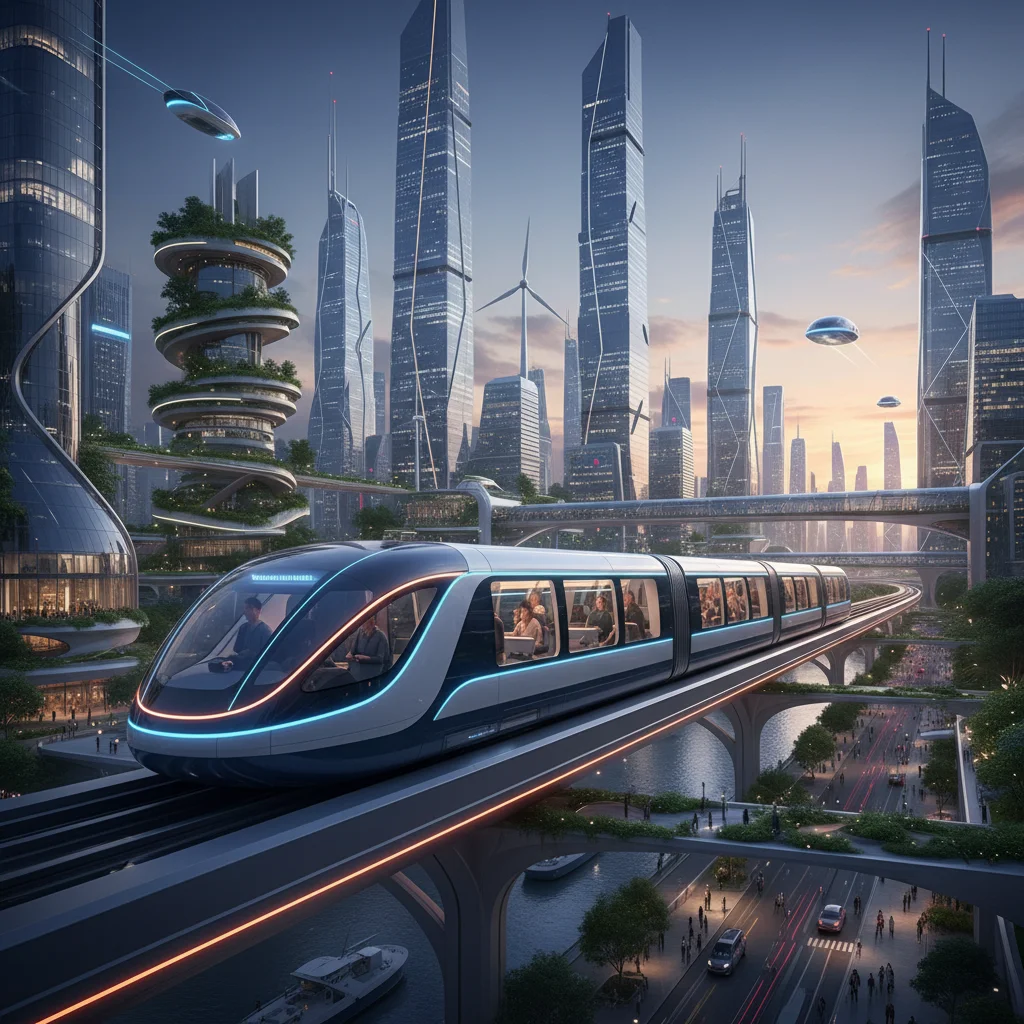
The landscape of urban mobility is in constant flux, driven by technological advancements, evolving societal priorities, and the imperative for environmental stewardship. As we look towards 2026, public transportation stands at a crucial juncture, tasked with not only meeting but anticipating the dynamic needs of commuters and communities. The phrase Public Transit Adaptation encapsulates the core challenge and opportunity facing essential service providers today. This is not merely about incremental improvements; it’s about a fundamental reimagining of how people move within and between our cities.
For decades, public transportation has been the backbone of urban life, facilitating economic activity, connecting communities, and providing essential access for millions. However, the demands placed upon these systems are escalating. Rapid urbanization, the rise of the gig economy, the increasing awareness of climate change, and the lingering effects of global health crises have all contributed to a complex environment that requires innovative and agile solutions. This article delves into the critical strategies and trends shaping Public Transit Adaptation by 2026, exploring how service providers are evolving to deliver more efficient, sustainable, and passenger-centric experiences.
The Digital Revolution: Smart Technologies Driving Public Transit Adaptation
At the heart of modern Public Transit Adaptation is the integration of smart technologies. The digital revolution has provided an unprecedented toolkit for optimizing operations, enhancing passenger information, and personalizing the travel experience. By 2026, we expect to see a widespread adoption of technologies that were once considered futuristic but are now becoming standard.
Real-time Information and Predictive Analytics
Gone are the days of static bus schedules and uncertain wait times. Real-time tracking and predictive analytics are transforming how passengers interact with public transport. Mobile applications now offer precise arrival and departure times, potential delays, and even information on vehicle capacity. This level of transparency builds trust and allows commuters to make informed decisions, reducing anxiety and improving overall satisfaction. For service providers, predictive analytics goes further, enabling them to anticipate demand fluctuations, optimize routes, and deploy resources more effectively. This data-driven approach is critical for efficient Public Transit Adaptation.
Integrated Mobility Platforms (MaaS)
Mobility as a Service (MaaS) platforms represent a paradigm shift in urban transportation. Instead of viewing public transit, ride-sharing, bike-sharing, and even micro-mobility options as separate entities, MaaS integrates them into a single, seamless user experience. By 2026, we anticipate that many major cities will have robust MaaS ecosystems, allowing users to plan, book, and pay for multimodal journeys through a single app. This not only simplifies travel but also encourages the use of public and shared transport options over private vehicles, a key aspect of sustainable Public Transit Adaptation. The challenge lies in interoperability and data sharing between various service providers, but the benefits in terms of convenience and efficiency are immense.
Autonomous Vehicles in Public Transit
While fully autonomous public transit fleets might not be ubiquitous by 2026, significant strides will have been made. Pilot programs for self-driving shuttles in controlled environments, dedicated lanes, and last-mile connections are already underway. The potential benefits include increased safety, optimized vehicle utilization, and reduced operational costs. Furthermore, autonomous technology can help address labor shortages and provide more flexible service hours. The regulatory and ethical frameworks for widespread autonomous public transit are still evolving, but their integration represents a significant component of future Public Transit Adaptation strategies.
Sustainability as a Core Driver: Green Public Transit Adaptation
The climate crisis demands urgent action, and public transportation has a pivotal role to play in reducing urban carbon footprints. By 2026, sustainability will no longer be an optional add-on but a fundamental pillar of Public Transit Adaptation strategies.
Electrification of Fleets
The transition to electric vehicles (EVs) is accelerating across all sectors, and public transit is no exception. Electric buses, trams, and trains offer zero tailpipe emissions, reduced noise pollution, and often lower operating costs in the long run. Cities worldwide are setting ambitious targets for fleet electrification, with many aiming for fully electric bus fleets by the end of the decade. This transition requires significant investment in charging infrastructure, grid upgrades, and vehicle procurement, but the environmental and public health benefits are substantial. This shift represents one of the most visible and impactful forms of Public Transit Adaptation.
Renewable Energy Integration
Beyond electrifying vehicles, essential service providers are increasingly looking to power their operations with renewable energy sources. This includes solar panels on transit depots, wind energy contracts, and even exploring hydrogen fuel cell technology for heavy-duty vehicles. The goal is to create a truly carbon-neutral public transportation system, from energy generation to vehicle propulsion. This holistic approach to sustainability is vital for long-term Public Transit Adaptation.
Optimized Route Planning and Eco-Driving
Even with traditional combustion engines, significant environmental gains can be made through intelligent route planning and driver training. Advanced algorithms can optimize routes to minimize fuel consumption and emissions, while eco-driving techniques train operators to drive more efficiently. As fleets transition to electric, these optimization techniques will continue to play a role in maximizing battery life and reducing energy consumption, further solidifying sustainable Public Transit Adaptation efforts.
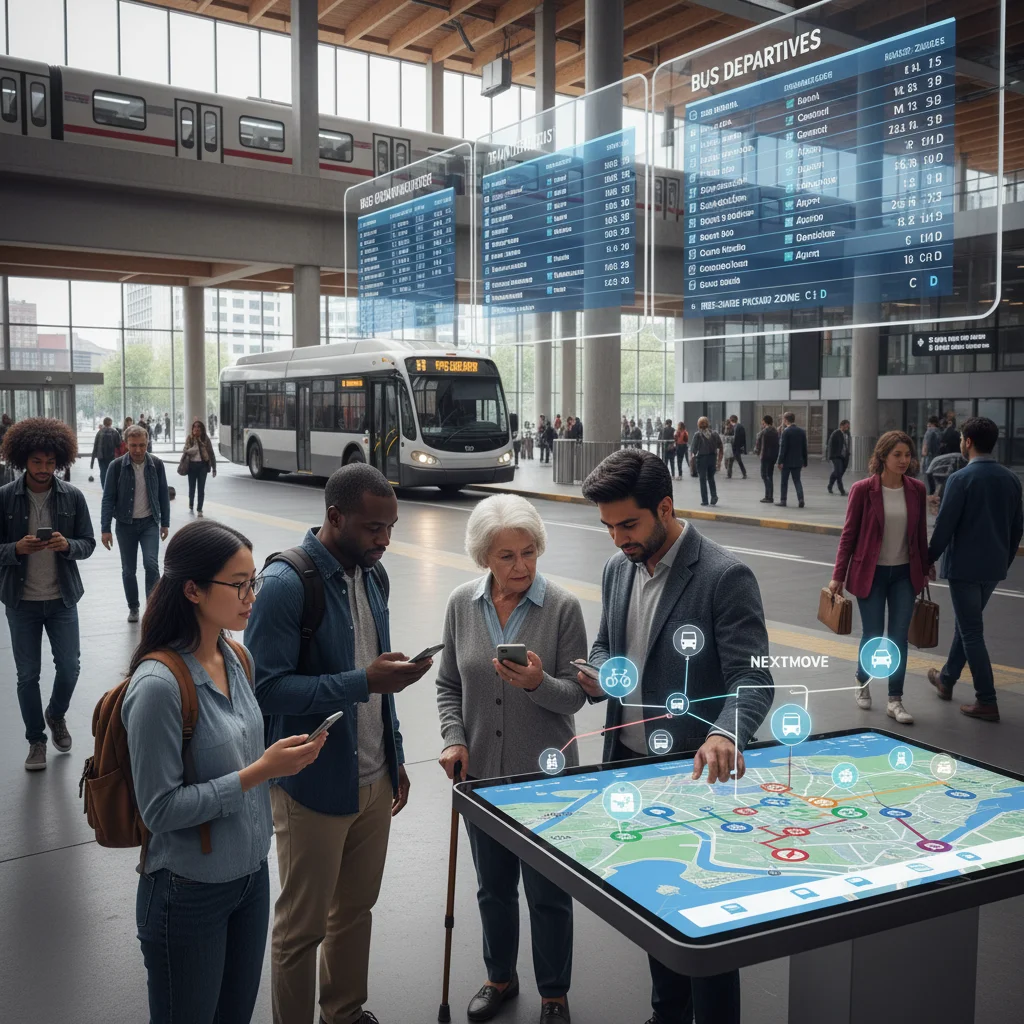
Enhanced Passenger Experience: Human-Centric Public Transit Adaptation
Ultimately, the success of any Public Transit Adaptation strategy hinges on its ability to attract and retain riders. This means prioritizing the passenger experience, making public transport not just a necessity but a preferred mode of travel.
Comfort and Connectivity
Modern commuters expect more than just a seat; they seek comfort and connectivity. By 2026, expect to see more public transit vehicles equipped with amenities like reliable Wi-Fi, charging ports, comfortable seating, and improved climate control. The journey itself can become an extension of the workday or leisure time if the environment is conducive. These seemingly small details contribute significantly to overall passenger satisfaction and encourage greater ridership, a key goal of Public Transit Adaptation.
Accessibility for All
True Public Transit Adaptation means ensuring that systems are accessible to everyone, regardless of age, physical ability, or socio-economic status. This involves not only physical infrastructure improvements (ramps, elevators, accessible vehicles) but also digital accessibility in apps and information systems. Real-time audio announcements, visual displays, and integrated services for passengers with disabilities are becoming standard. Furthermore, fare structures are being re-evaluated to ensure affordability and equity, recognizing that public transit is a lifeline for many.
Safety and Security Innovations
Passenger safety and security remain paramount. By 2026, public transit systems will leverage advanced surveillance technologies, AI-powered anomaly detection, and improved communication systems to create safer environments. This includes better lighting at stations, emergency call points, and rapid response protocols. A sense of security is fundamental to encouraging public transit use, and continuous innovation in this area is a critical element of Public Transit Adaptation.
Resilience and Flexibility: Future-Proofing Public Transit Adaptation
The recent past has highlighted the need for public transportation systems to be resilient and adaptable in the face of unforeseen challenges. From pandemics to extreme weather events, essential service providers are building greater flexibility into their operations.
Dynamic Routing and On-Demand Services
Traditional fixed routes can be inefficient during off-peak hours or in less densely populated areas. The concept of dynamic routing, where routes adjust based on real-time demand, is gaining traction. On-demand micro-transit services, often integrated with larger public transit networks, provide flexible last-mile solutions, bridging gaps in coverage and offering greater convenience. This agility is a hallmark of effective Public Transit Adaptation, allowing systems to respond quickly to changing commuter patterns and unforeseen disruptions.
Public-Private Partnerships
To fund and implement these extensive changes, essential service providers are increasingly engaging in public-private partnerships. Collaborations with technology companies, private mobility operators, and infrastructure developers can bring in expertise, innovation, and capital that might otherwise be unavailable. These partnerships are crucial for accelerating the pace of Public Transit Adaptation and ensuring that new technologies are rapidly deployed and integrated.
Data-Driven Infrastructure Planning
Future infrastructure investments are being guided by comprehensive data analysis. Understanding population growth patterns, employment centers, and evolving travel behaviors allows planners to make more informed decisions about where to build new lines, expand services, or upgrade existing facilities. This proactive, data-driven approach to infrastructure development is essential for sustainable Public Transit Adaptation and long-term urban planning.
The Role of Policy and Governance in Public Transit Adaptation
Technological innovations and sustainable practices cannot thrive in a vacuum. Supportive policy and robust governance frameworks are essential for successful Public Transit Adaptation. Local, regional, and national governments play a critical role in setting standards, allocating funding, and fostering collaboration.
Integrated Urban Planning
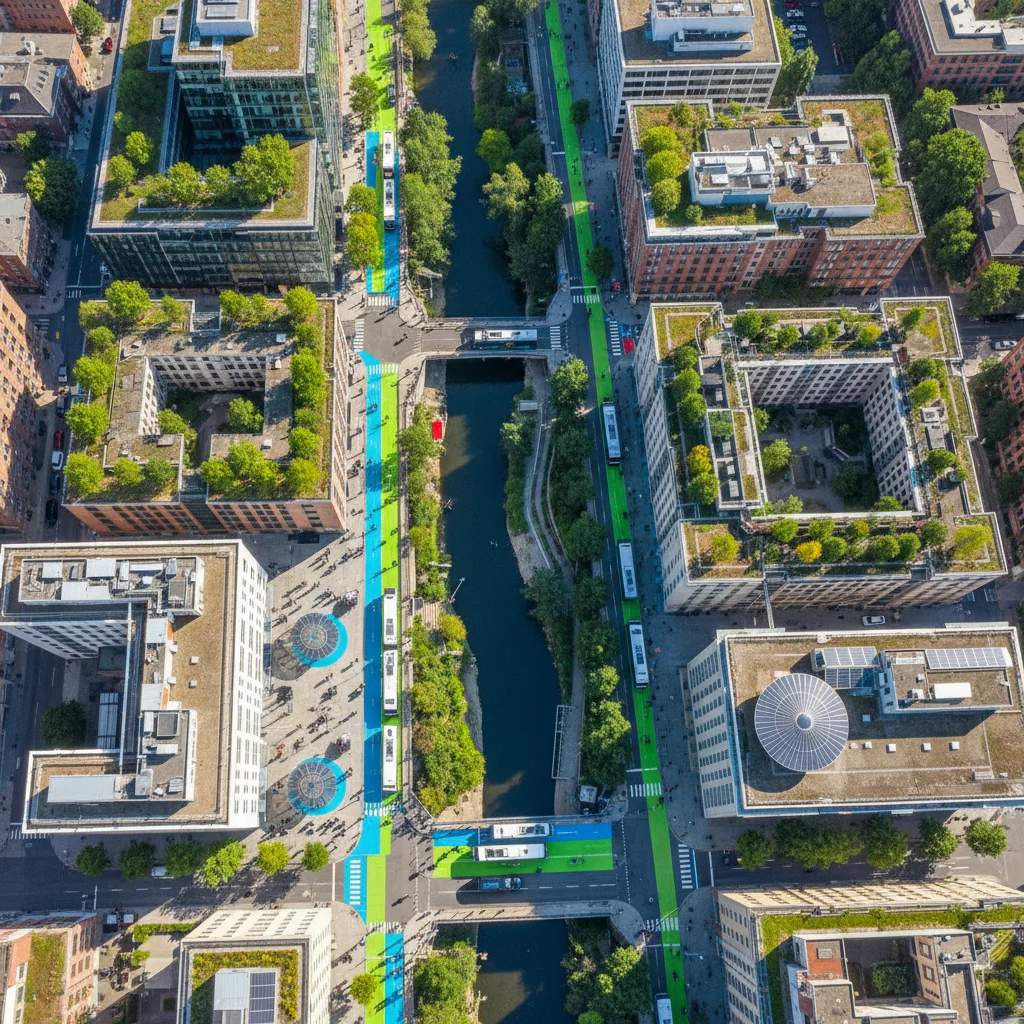
Effective public transportation is deeply intertwined with urban planning. Policies that encourage transit-oriented development (TOD), mixed-use zoning, and pedestrian-friendly infrastructure create environments where public transit can flourish. By 2026, we anticipate stronger integration between land-use planning and transportation planning, ensuring that new developments are built with public transit accessibility in mind. This holistic approach is fundamental to creating truly sustainable and livable cities through strategic Public Transit Adaptation.
Funding and Investment
The ambitious goals for Public Transit Adaptation require significant financial investment. Governments are exploring various funding models, including dedicated taxes, public-private partnerships, and innovative financing mechanisms. Secure and stable funding is crucial for upgrading infrastructure, electrifying fleets, and investing in new technologies. Advocacy for increased public transit funding will remain a key effort to ensure these vital services can continue to evolve and meet future demands.
Regulatory Harmonization
As mobility services become more integrated and diverse, there is a growing need for harmonized regulations. This includes standards for data sharing, safety protocols for autonomous vehicles, and equitable access across different modes of transport. Clear and consistent regulatory frameworks provide certainty for both service providers and users, facilitating innovation and ensuring fair competition in the evolving landscape of Public Transit Adaptation.
Challenges and Opportunities in Public Transit Adaptation
While the path to advanced Public Transit Adaptation is clear, it is not without its hurdles. Essential service providers face challenges ranging from funding constraints and technological integration complexities to public acceptance and cybersecurity risks.
Overcoming Funding Gaps
One of the most persistent challenges is securing adequate funding for the extensive upgrades required. The shift to electric fleets, the implementation of cutting-edge technologies, and the maintenance of existing infrastructure all come with substantial costs. Innovative financing models and sustained government support are vital to bridge these funding gaps and ensure that Public Transit Adaptation can proceed at the necessary pace.
Data Privacy and Cybersecurity
As public transit systems become more digitized and interconnected, the issues of data privacy and cybersecurity become increasingly critical. Protecting sensitive passenger data and ensuring the resilience of operational systems against cyber threats are paramount. Robust cybersecurity measures and transparent data governance policies are essential components of trustworthy Public Transit Adaptation.
Public Acceptance and Behavior Change
Even with the most advanced systems, the success of Public Transit Adaptation ultimately depends on public acceptance and a willingness to shift travel behaviors. Educating the public about the benefits of public transit, making it an attractive and convenient option, and addressing concerns about safety and reliability are ongoing efforts. Incentives, seamless integration with daily life, and a focus on positive user experiences will be key to fostering this change.
Workforce Development
The evolution of public transit also demands a skilled workforce capable of operating and maintaining new technologies. Training programs for existing staff and attracting new talent with expertise in areas like data analytics, cybersecurity, and electric vehicle maintenance are crucial. Investing in workforce development is a hidden but vital aspect of successful Public Transit Adaptation.
Conclusion: The Future is Integrated and Sustainable
By 2026, public transportation will be more than just a means of getting from point A to point B; it will be an integrated, intelligent, and sustainable ecosystem that forms the backbone of smart cities. The ongoing process of Public Transit Adaptation is characterized by a relentless pursuit of efficiency, a deep commitment to environmental responsibility, and an unwavering focus on the passenger experience. Essential service providers are leveraging digital innovations, embracing electrification, and fostering strategic partnerships to build resilient, flexible, and equitable mobility networks.
The journey ahead involves continuous innovation, collaborative governance, and significant investment. However, the benefits – reduced traffic congestion, cleaner air, enhanced accessibility, and more vibrant urban communities – far outweigh the challenges. As we move closer to 2026, the evolution of public transit will not only transform how we travel but also redefine the very fabric of urban life, making our cities more livable, sustainable, and connected for generations to come. The future of mobility is public, and it is adapting at an unprecedented pace.