US Public Transportation Systems: A 2026 Overview of Major Networks and Access
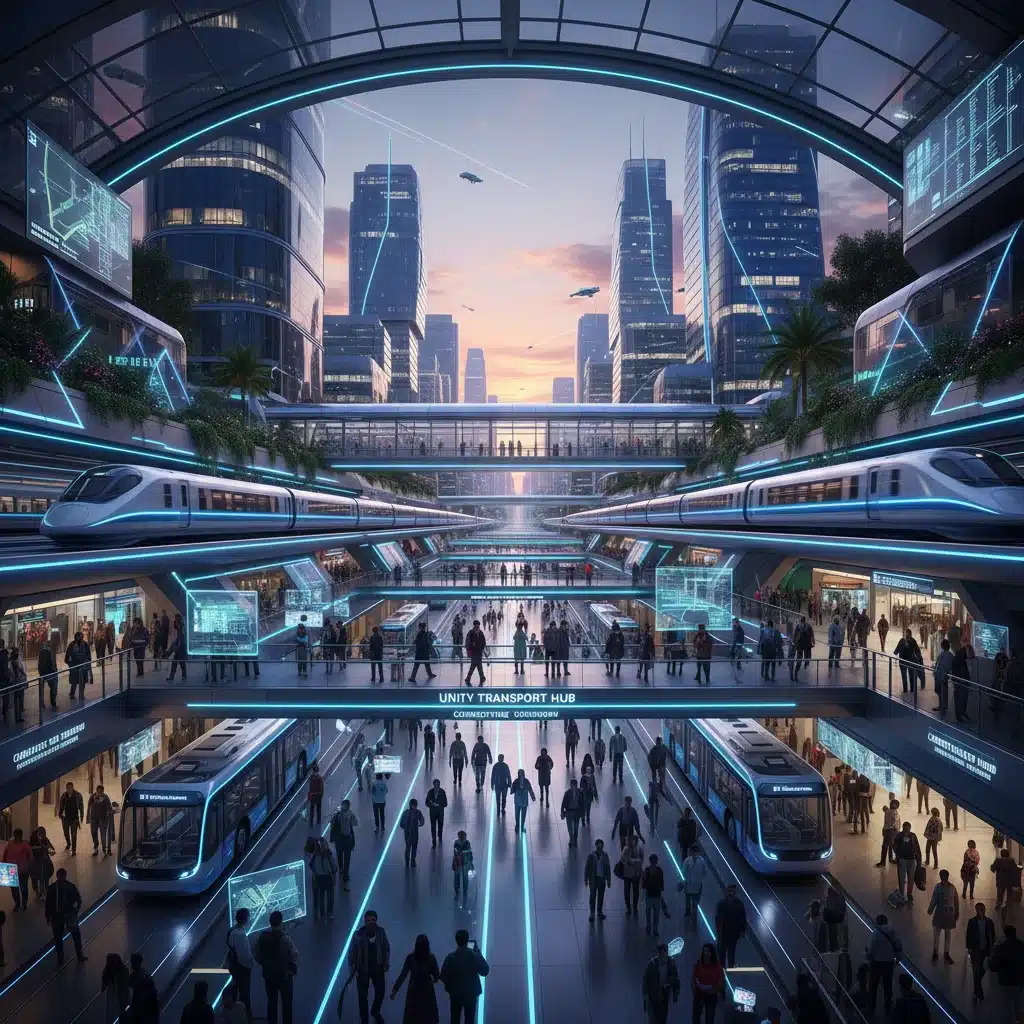
In an era defined by rapid urbanization, technological advancements, and a growing imperative for sustainability, the landscape of US public transportation is undergoing a transformative evolution. As we look towards 2026, the vision for American cities includes more interconnected, efficient, and accessible transit networks. This comprehensive overview delves into the current state and future trajectory of US public transportation, highlighting major networks, innovations, and the critical role it plays in shaping urban life and environmental stewardship.
For decades, the United States has often been characterized by its car-centric culture. However, shifting demographics, increasing traffic congestion, and a heightened awareness of climate change are driving significant investments and policy changes in public transit. Cities across the nation are reimagining their transit systems, moving beyond traditional buses and subways to embrace light rail, commuter trains, ride-sharing integration, and even autonomous transit solutions. The goal is clear: to create robust, equitable, and sustainable transportation options that serve all residents and visitors.
This article will explore the key pillars of modern US public transportation, examining how major metropolitan areas are adapting, the technological innovations driving efficiency, and the ongoing efforts to enhance accessibility for everyone. We will also touch upon the funding mechanisms and policy debates that are shaping the future of transit in America. Understanding these dynamics is crucial for anyone interested in urban development, environmental policy, or simply navigating the evolving urban fabric of the United States.
The Evolving Landscape of US Public Transportation: A 2026 Perspective
The year 2026 marks a pivotal point for US public transportation. With significant federal infrastructure investments from acts like the Bipartisan Infrastructure Law, many projects initiated in the early 2020s are nearing completion or becoming fully operational. This has led to a noticeable expansion and modernization of transit services in many regions. The focus is not just on expanding routes but also on improving the user experience, integrating various modes of transport, and leveraging data for smarter operations.
Major Metropolitan Networks: Leading the Charge
Several major US cities continue to lead in public transit innovation and expansion. These urban centers often serve as benchmarks for what efficient and extensive US public transportation can achieve:
- New York City (MTA): The Metropolitan Transportation Authority remains one of the largest and most complex transit systems globally. By 2026, ongoing projects like the Second Avenue Subway expansion (Phase 2) are progressing, aiming to alleviate congestion and improve access on the East Side of Manhattan. The MTA is also heavily investing in signal modernization, new electric bus fleets, and enhanced accessibility features across its subway and bus networks. The integration of OMNY, its contactless fare payment system, is now fully mature, offering seamless travel across all modes.
- Los Angeles (Metro): LA Metro is undergoing a massive transformation, preparing for the 2028 Olympic Games. By 2026, several new rail lines and extensions, such as the Crenshaw/LAX Line and Purple Line Extension, are significantly expanding the reach of its rail network. The focus is also on improving bus rapid transit (BRT) corridors and microtransit options to address first-mile/last-mile challenges in a sprawling metropolis. The vision is to create a truly interconnected system that reduces reliance on private vehicles.
- Chicago (CTA, Metra, Pace): Chicago’s transit agencies are working towards a more unified and efficient system. The CTA continues to upgrade its L-train infrastructure, with significant investments in new railcars and station modernizations. Metra, the commuter rail system, is exploring electrification options and service expansions to better connect suburban areas with downtown. Pace, the suburban bus service, is integrating more on-demand services and electric buses into its fleet, enhancing regional connectivity.
- Washington D.C. (WMATA): WMATA’s Metro system is focusing on reliability and safety enhancements. By 2026, significant infrastructure rehabilitation projects are expected to be complete, leading to more dependable service. The agency is also exploring further extensions and better integration with regional bus networks and Virginia Railway Express (VRE) and MARC Train commuter rail services.
- San Francisco Bay Area (BART, Muni, Caltrain, AC Transit): The Bay Area’s diverse transit agencies are working towards greater regional coordination. BART is continuing its fleet modernization and exploring extensions, while Muni in San Francisco is enhancing its light rail and bus services. Caltrain’s electrification project, expected to be largely operational by 2026, will significantly improve commuter rail service between San Francisco and San Jose, offering faster and more frequent trains.
Technological Innovations Driving the Future of US Public Transportation
Technology is at the heart of the evolution of US public transportation. From improving operational efficiency to enhancing rider experience, innovation is reshaping how people move through cities.
Smart Transit Systems and Data Analytics
Transit agencies are increasingly leveraging big data and AI to optimize services. Real-time tracking, predictive maintenance, and demand-responsive scheduling are becoming standard. For example:
- Predictive Maintenance: AI algorithms analyze data from sensors on trains and buses to predict potential equipment failures before they occur, reducing downtime and improving safety.
- Dynamic Routing: For bus and microtransit services, AI-powered platforms can adjust routes and schedules in real-time based on passenger demand, traffic conditions, and special events, leading to more efficient service and reduced wait times.
- Passenger Information Systems: Advanced digital displays, mobile apps, and integrated voice announcements provide riders with accurate, real-time information about arrivals, departures, delays, and alternative routes, making journeys less stressful and more predictable.
Electrification and Sustainable Mobility
The push for sustainability is profoundly impacting US public transportation. Electric buses (e-buses) are rapidly becoming a common sight in urban fleets. Cities like Los Angeles, New York, and Seattle have committed to fully electric bus fleets within the next decade, with significant portions already converted by 2026. This transition not only reduces carbon emissions but also lowers noise pollution and operational costs in the long run.
Beyond buses, electrification extends to rail, with projects like Caltrain’s electrification leading the way. The development of charging infrastructure, smart grid integration, and renewable energy sourcing are critical components of this sustainable shift.
Integrated Mobility Platforms (MaaS)
Mobility as a Service (MaaS) platforms are gaining traction, aiming to provide a single, unified interface for planning, booking, and paying for various transportation options. These platforms integrate public transit with ride-sharing, bike-sharing, scooter-sharing, and even car-sharing services. The goal is to offer seamless, multimodal journeys, reducing the need for private car ownership and simplifying urban travel.
Enhancing Accessibility in US Public Transportation
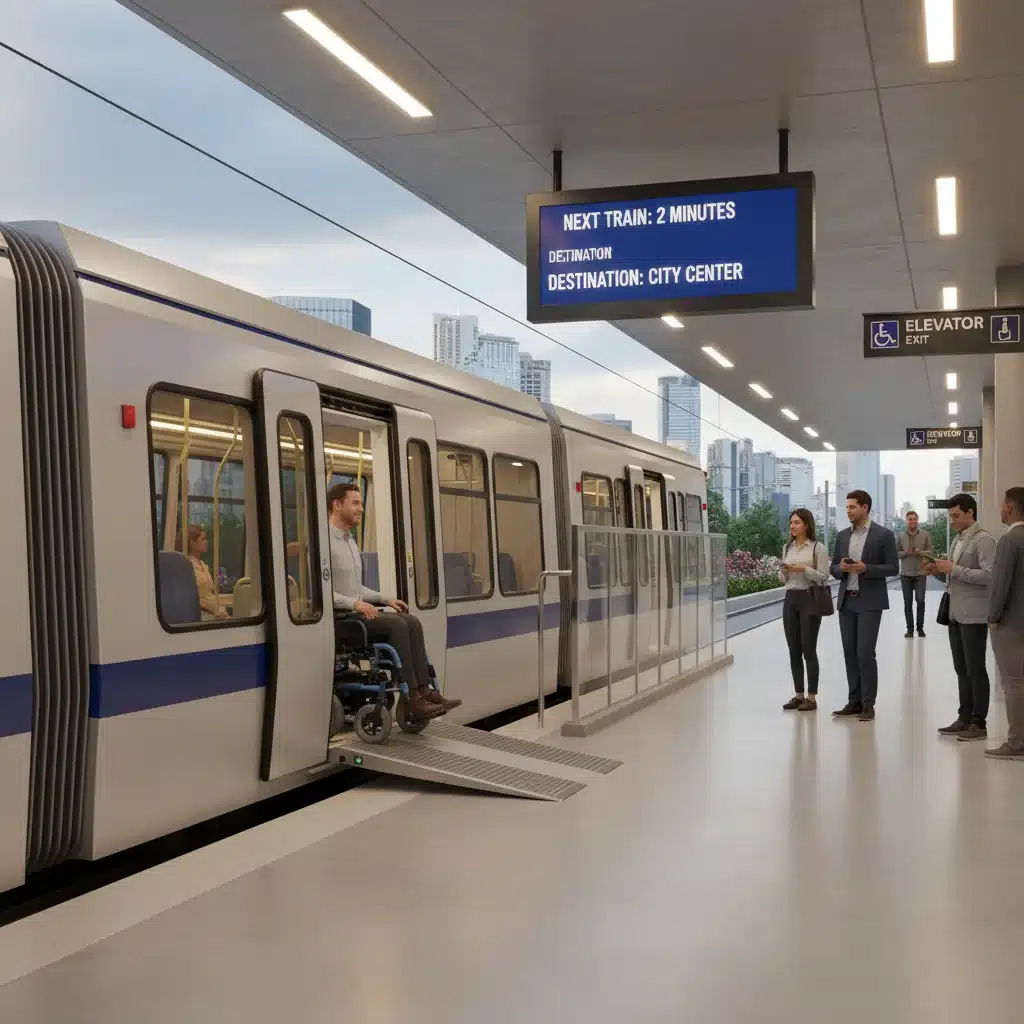
A cornerstone of modern US public transportation is ensuring equitable access for all individuals, regardless of physical ability, age, or socio-economic status. Significant strides are being made to improve accessibility across networks.
ADA Compliance and Beyond
The Americans with Disabilities Act (ADA) has been instrumental in shaping accessible transit. By 2026, many older transit systems are nearing full compliance, with ongoing efforts to upgrade stations, vehicles, and information systems. This includes:
- Station Upgrades: Installation of elevators, ramps, tactile paving, and wider gates at subway and train stations.
- Vehicle Accessibility: Low-floor buses and trains with ramp access, designated spaces for wheelchairs, and audible announcements for visually impaired passengers.
- Paratransit Services: Continued provision of demand-responsive paratransit services for individuals who cannot use fixed-route transit, often with improved booking and dispatch systems.
Digital Accessibility and Inclusive Design
Beyond physical infrastructure, digital accessibility is crucial. Transit apps and websites are being designed to be compatible with screen readers and other assistive technologies. Information is provided in multiple formats, and wayfinding solutions are becoming more intuitive for people with cognitive disabilities. Inclusive design principles are being applied from the outset of new projects, rather than being retrofitted.
Affordability and Equity
Accessibility also extends to affordability. Many transit agencies are implementing programs to ensure low-income individuals have access to public transport through reduced fares, subsidized passes, or integrated benefits programs. This is vital for connecting people to jobs, education, healthcare, and other essential services, thereby fostering greater social equity within urban environments.
Funding, Policy, and the Future Outlook for US Public Transportation
The ambitious goals for US public transportation require substantial investment and supportive policy frameworks. The Bipartisan Infrastructure Law (BIL), signed in 2021, represents the largest federal investment in public transit in U.S. history, providing billions of dollars for modernization, expansion, and sustainability initiatives. This funding is crucial for maintaining existing infrastructure and building the transit systems of tomorrow.
Challenges and Opportunities
Despite significant progress, challenges remain. Securing long-term, stable funding sources beyond federal grants is an ongoing struggle for many agencies, often relying on local sales taxes, property taxes, or user fares. Ridership patterns, which were significantly impacted by the COVID-19 pandemic, are still evolving, prompting agencies to adapt service levels and fare structures. The rise of remote work has shifted peak travel times and commuter volumes, necessitating flexible operational strategies.
However, these challenges also present opportunities. The emphasis on climate resilience means transit infrastructure is being built to withstand extreme weather events. The focus on equity is driving more community-centered planning, ensuring transit serves the needs of diverse populations. Furthermore, public-private partnerships are becoming more common, bringing innovative solutions and additional capital to transit projects.
The Role of Local and State Governments
While federal funding provides a critical backbone, state and local governments play an indispensable role in shaping US public transportation. They are responsible for planning, operating, and often co-funding transit systems. Local initiatives, such as dedicated transit sales taxes or congestion pricing schemes, are vital for sustained growth and operational stability. Collaboration between different levels of government and transit agencies is key to creating seamless regional networks.
Case Studies in US Public Transportation Innovation (2026 Focus)
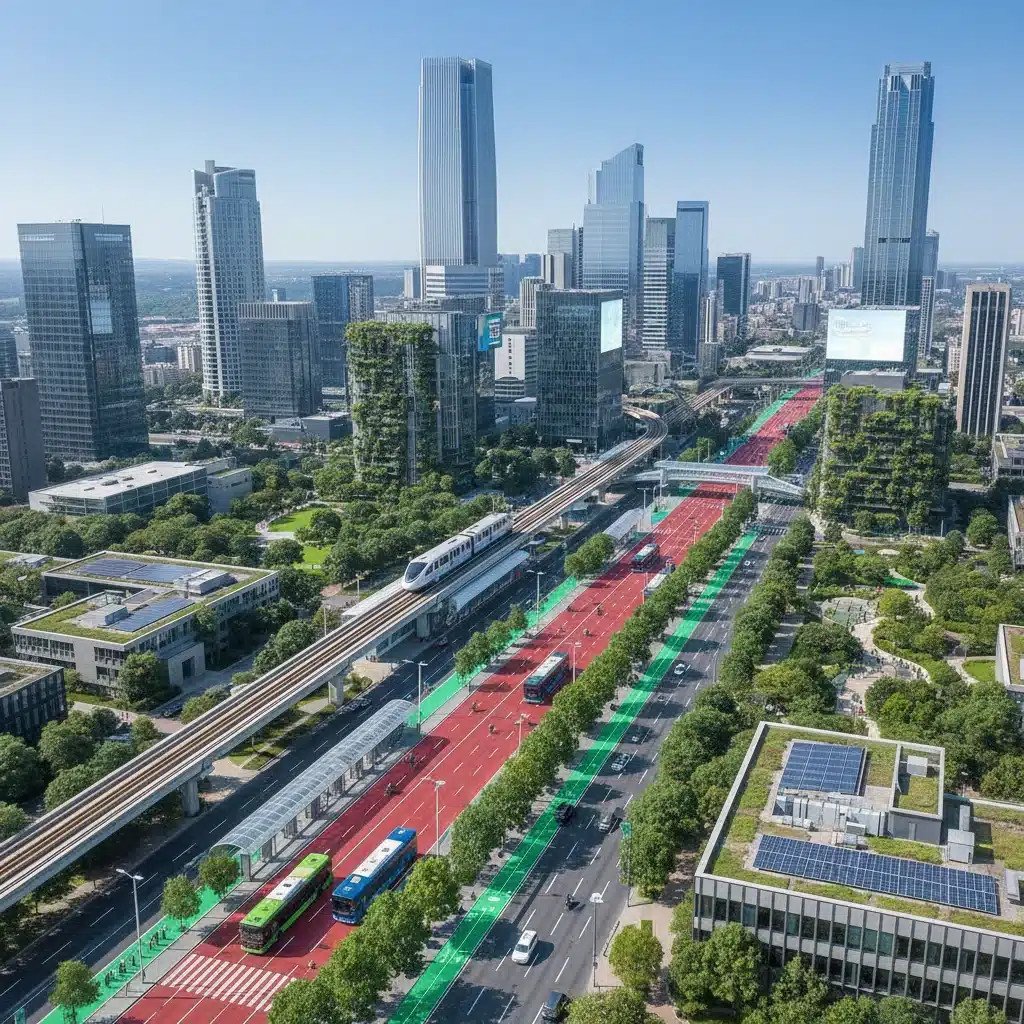
To illustrate the dynamic changes in US public transportation, let’s look at a few specific examples that highlight forward-thinking approaches:
Denver’s RTD and Transit-Oriented Development (TOD)
Denver’s Regional Transportation District (RTD) has been a leader in expanding its light rail and commuter rail networks. By 2026, the A Line (to Denver International Airport) and the N Line (to Thornton) are well-established, significantly improving regional connectivity. What makes Denver stand out is its commitment to Transit-Oriented Development (TOD) around its stations. This involves creating walkable, mixed-use communities near transit hubs, reducing reliance on cars, and fostering vibrant urban centers. This integrated approach ensures that transit investment also supports sustainable community growth.
Seattle’s Sound Transit Expansion
Seattle’s Sound Transit is undergoing one of the most ambitious transit expansions in the nation. By 2026, several significant extensions to its Link light rail system are either complete or nearing completion, connecting downtown Seattle to rapidly growing areas like Lynnwood, Federal Way, and Bellevue/Redmond. This expansion is crucial for managing congestion in a booming tech hub and is accompanied by substantial investments in electric buses and ferry services, creating a truly multimodal regional network focused on reducing single-occupancy vehicle trips.
Pittsburgh’s Autonomous Transit Pilots
Pittsburgh has emerged as a hub for autonomous vehicle research and development. While fully autonomous public transit is still in its nascent stages, by 2026, Pittsburgh is likely to be running advanced pilots of autonomous shuttles for first-mile/last-mile connections or within specific districts. These pilots provide valuable data on the safety, efficiency, and public acceptance of autonomous technology in a transit context, potentially paving the way for wider adoption in the future of US public transportation.
Miami’s SMART Plan and Resiliency
Miami-Dade County’s Strategic Miami Area Rapid Transit (SMART) Plan aims to build out a comprehensive public transit network across the county. By 2026, significant progress is expected on several rapid transit corridors, including enhanced bus rapid transit (BRT) lines and potential rail extensions. Critically, Miami’s transit planning also heavily incorporates climate resiliency measures, designing infrastructure to withstand sea-level rise and extreme weather events, ensuring the long-term viability of its public transport investments.
The Future Vision: Connected, Sustainable, and Equitable
Looking beyond 2026, the trajectory for US public transportation is one of continuous innovation and integration. The vision is to create urban environments where public transit is not just an alternative but the preferred mode of travel for a significant portion of the population. This involves:
- Hyper-Connectivity: Seamless integration between all modes of transport, from regional trains to local microtransit and active transportation (walking and cycling).
- Advanced Personalization: AI-powered systems that offer personalized travel recommendations, real-time adjustments, and on-demand services tailored to individual needs.
- Environmental Leadership: Fully decarbonized fleets, powered by renewable energy, and transit networks that actively contribute to cleaner air and reduced urban sprawl.
- Universal Access: Systems designed from the ground up to be inclusive, accessible, and affordable for every member of the community, fostering social equity and economic opportunity.
Conclusion
The state of US public transportation in 2026 reflects a nation actively reimagining its urban mobility. From the bustling subways of New York to the expanding light rail networks of the West Coast, cities are investing in modernizing, expanding, and greening their transit systems. Technological advancements, a strong commitment to accessibility, and significant federal and local funding are driving this transformation. While challenges persist, the momentum towards more connected, sustainable, and equitable public transport options is undeniable. As urban populations continue to grow, robust and efficient public transportation will remain a critical backbone for thriving, livable American cities, shaping not just how we move, but how we live, work, and connect.