Essential Healthcare Access: 2026 Roadmap for Underserved Communities
The Future of Essential Healthcare Access: A 2026 Roadmap for Underserved Communities
The pursuit of health equity remains one of the most pressing global challenges. Despite advancements in medical science and technology, a significant portion of the world’s population, particularly those residing in underserved communities, continues to face formidable barriers to essential healthcare access. These barriers manifest in various forms: geographical isolation, socioeconomic disparities, lack of adequate infrastructure, and systemic biases. As we look towards 2026, it is imperative to establish a clear, actionable roadmap that not only addresses these existing challenges but also anticipates future needs and leverages emerging opportunities to ensure that quality healthcare is a right, not a privilege.
This comprehensive article delves into the critical components of a 2026 roadmap for enhancing essential healthcare access in underserved communities. We will explore the multifaceted nature of the problem, identify key strategic pillars, and propose concrete actions across policy, technology, infrastructure, and community engagement. Our goal is to paint a vivid picture of a future where equitable healthcare is a reality for all, regardless of their zip code or economic standing. The journey to universal healthcare access is long and complex, but with strategic planning and collaborative effort, significant strides can be made by 2026.
Understanding the Landscape: Current Challenges in Essential Healthcare Access
Before charting a path forward, it is crucial to fully comprehend the current state of essential healthcare access in underserved communities. These communities, often rural or economically disadvantaged urban areas, grapple with a convergence of issues that severely limit their ability to receive timely and appropriate medical care. The challenges are interconnected and often exacerbate one another, creating a complex web of obstacles.
Geographical Barriers and Rural Isolation
For many rural underserved communities, the sheer distance to the nearest healthcare facility is a major impediment. Long travel times, lack of reliable transportation, and inadequate road infrastructure can turn a routine doctor’s visit into an arduous journey. This geographical isolation often leads to delayed diagnoses, neglected preventative care, and reliance on emergency services for conditions that could have been managed at an earlier stage. The scarcity of healthcare professionals willing to practice in remote areas further compounds this problem, creating ‘medical deserts’ where residents have few, if any, local options for care.
Socioeconomic Disparities and Financial Strain
Poverty is a significant determinant of health. Underserved communities often experience higher rates of unemployment, lower income levels, and lack of comprehensive health insurance. The cost of healthcare, even with insurance, can be prohibitive, leading individuals to forgo necessary treatments, medications, or specialist visits. The stress associated with financial insecurity also contributes to poor health outcomes, creating a vicious cycle where ill health impacts earning potential, and limited earnings restrict access to care. Addressing these socioeconomic disparities is fundamental to improving healthcare access.
Lack of Adequate Infrastructure and Resources
Beyond physical facilities, underserved communities often lack the robust healthcare infrastructure needed to deliver high-quality care. This includes a shortage of specialized medical equipment, limited access to advanced diagnostic tools, and an absence of adequate broadband internet essential for modern healthcare solutions like telehealth. The existing facilities may be outdated, understaffed, and unable to meet the diverse health needs of the population. Furthermore, a dearth of public health programs, mental health services, and substance abuse treatment centers leaves critical gaps in care.
Workforce Shortages and Distribution Imbalances
A persistent challenge is the uneven distribution of healthcare professionals. Physicians, nurses, and allied health workers tend to concentrate in urban and suburban areas, leaving rural and inner-city communities with severe shortages. This imbalance is particularly acute for specialists, mental health professionals, and primary care providers. Factors contributing to this include lower compensation in underserved areas, lack of professional development opportunities, and limited social amenities. Attracting and retaining a skilled healthcare workforce in these areas is a cornerstone of improving healthcare access.
Cultural and Linguistic Barriers
For diverse underserved populations, cultural and linguistic differences can create significant hurdles to accessing and understanding healthcare services. Language barriers can lead to miscommunication, misdiagnosis, and patient dissatisfaction. Cultural norms and beliefs about health and illness may differ from those of healthcare providers, leading to a lack of trust or reluctance to seek care. Culturally competent care, which respects and responds to the health beliefs, practices, and needs of diverse patients, is essential for effective engagement and improved health outcomes.
Digital Divide and Technological Disparities
While technology offers immense potential for expanding healthcare access, the ‘digital divide’ remains a critical challenge. Many underserved communities lack access to reliable internet connectivity, affordable devices, or the digital literacy skills necessary to utilize telehealth, online health information, and digital health records. This disparity exacerbates existing inequalities, as digital health solutions become increasingly integral to modern healthcare delivery.
Pillar 1: Policy and Funding Reform for Equitable Healthcare Access
Achieving essential healthcare access by 2026 requires robust policy frameworks and targeted funding mechanisms. Governments at all levels, alongside international organizations, must prioritize health equity through legislative action and financial commitment. These reforms are the bedrock upon which all other initiatives will be built.
Strengthening Universal Health Coverage
A fundamental step is to expand and strengthen universal health coverage models. This involves policies that ensure affordable health insurance or publicly funded healthcare systems that cover a comprehensive range of essential services for all citizens, irrespective of their employment status or income. Policies should focus on reducing out-of-pocket expenses, eliminating discriminatory practices, and simplifying enrollment processes to maximize uptake in underserved communities.
Targeted Funding for Underserved Regions
Governments must allocate dedicated and substantial funding to healthcare infrastructure and services in underserved areas. This includes grants for building or renovating clinics, purchasing essential medical equipment, and supporting the operational costs of healthcare facilities in remote or economically disadvantaged regions. Incentive programs, such as loan forgiveness and scholarships, should be established to encourage healthcare professionals to practice in these areas.
Policy Support for Telehealth and Digital Health
To bridge geographical gaps, policies must actively promote and regulate telehealth services. This involves ensuring equitable reimbursement for telehealth consultations, expanding broadband infrastructure in rural areas, and developing clear guidelines for data privacy and security. Policies should also support the integration of digital health tools, such as remote monitoring devices and electronic health records, into primary care settings in underserved communities.
Investing in Public Health Infrastructure
Beyond clinical care, a strong public health infrastructure is vital. Policies should prioritize funding for preventative health programs, disease surveillance, health education campaigns, and community health worker initiatives. These upstream investments can significantly reduce the burden of preventable diseases and promote healthier lifestyles, thereby reducing the strain on acute care services.
Regulatory Innovation for Workforce Development
To address workforce shortages, regulatory bodies need to explore innovative approaches. This includes streamlining licensing processes for healthcare professionals, expanding the scope of practice for allied health workers (e.g., nurse practitioners, physician assistants), and fostering interprofessional collaboration. Policies should also support medical education programs that emphasize rural and urban underserved health, encouraging students to pursue careers in these critical areas.
Pillar 2: Leveraging Technology and Digital Health Solutions
Technology offers transformative potential for improving essential healthcare access, particularly in communities where traditional models fall short. By 2026, widespread adoption and intelligent integration of digital health solutions will be paramount.
Expanding Telehealth and Remote Monitoring
Telehealth is a game-changer for underserved communities. It allows patients to consult with doctors, specialists, and mental health professionals remotely, eliminating the need for long-distance travel. By 2026, telehealth platforms should be universally accessible, user-friendly, and integrated into primary care. Remote patient monitoring devices can track vital signs, glucose levels, and other health metrics, enabling proactive care for chronic conditions and reducing the need for frequent in-person visits. This proactive approach to healthcare access is vital.

Implementing Electronic Health Records (EHRs)
Universal adoption of interoperable EHRs is crucial for coordinated care. EHRs ensure that a patient’s medical history, diagnoses, medications, and treatment plans are readily available to all authorized healthcare providers, regardless of their location. This prevents duplication of services, reduces medical errors, and facilitates seamless transitions of care, which is particularly beneficial for patients in underserved areas who may receive care from multiple providers.
Mobile Health (mHealth) Applications
The proliferation of smartphones presents an opportunity to deliver health information and services directly to individuals. mHealth apps can provide medication reminders, educational content on chronic disease management, appointment scheduling, and even facilitate self-screening for certain conditions. Developing culturally appropriate and user-friendly mHealth apps, especially for low-literacy populations, can empower individuals to take a more active role in their health management.
Artificial Intelligence (AI) and Data Analytics
AI and data analytics can play a significant role in optimizing healthcare delivery in underserved communities. AI can assist in diagnosing diseases, predicting disease outbreaks, and identifying individuals at high risk who require targeted interventions. Data analytics can help identify patterns of health disparities, pinpoint areas with critical resource shortages, and inform policy decisions to allocate resources more effectively. This data-driven approach strengthens the essential healthcare access roadmap.
Digital Literacy and Access Initiatives
To ensure that technology benefits everyone, initiatives must be in place to bridge the digital divide. This includes providing affordable internet access, distributing low-cost devices, and offering digital literacy training programs for residents of underserved communities. Partnerships with local libraries, community centers, and schools can facilitate these efforts, ensuring that technology is an enabler, not a barrier, to essential healthcare access.
Pillar 3: Strengthening Primary Care and Community-Based Health Services
A robust primary care system, deeply integrated within communities, is the cornerstone of effective essential healthcare access. By 2026, the focus must shift towards preventive care, early intervention, and holistic health management at the local level.
Expanding Community Health Centers (CHCs)
Community Health Centers are vital for underserved populations, offering comprehensive primary care, dental, mental health, and substance abuse services, often on a sliding scale fee. The 2026 roadmap must include significant investment in expanding the number of CHCs, increasing their capacity, and ensuring their financial stability. These centers are often the first and only point of contact for many individuals in need of essential healthcare access.
Integrating Mental Health and Substance Abuse Services
Mental health and substance abuse issues are prevalent in many underserved communities and often go untreated due to stigma and lack of access. The roadmap should prioritize the integration of these services into primary care settings, making them more accessible and reducing barriers to seeking help. Training primary care providers to screen for and manage common mental health conditions, and facilitating referrals to specialists via telehealth, are critical steps.
Enhancing Preventative Care and Health Education
Prevention is always better than cure. Community-based programs focusing on health education, nutrition counseling, physical activity promotion, and chronic disease management (e.g., diabetes, hypertension) can significantly improve population health outcomes. These programs should be culturally sensitive, delivered in accessible formats, and involve community leaders to maximize engagement and impact on essential healthcare access.
Empowering Community Health Workers (CHWs)
Community Health Workers play an invaluable role as trusted liaisons between healthcare systems and the community. They can provide health education, assist with navigating healthcare services, facilitate access to social support, and advocate for patients. Investing in training, certifying, and integrating CHWs into the healthcare team can dramatically improve health outcomes and essential healthcare access in underserved communities. Their local knowledge and cultural understanding are indispensable.
Mobile Health Clinics and Outreach Programs
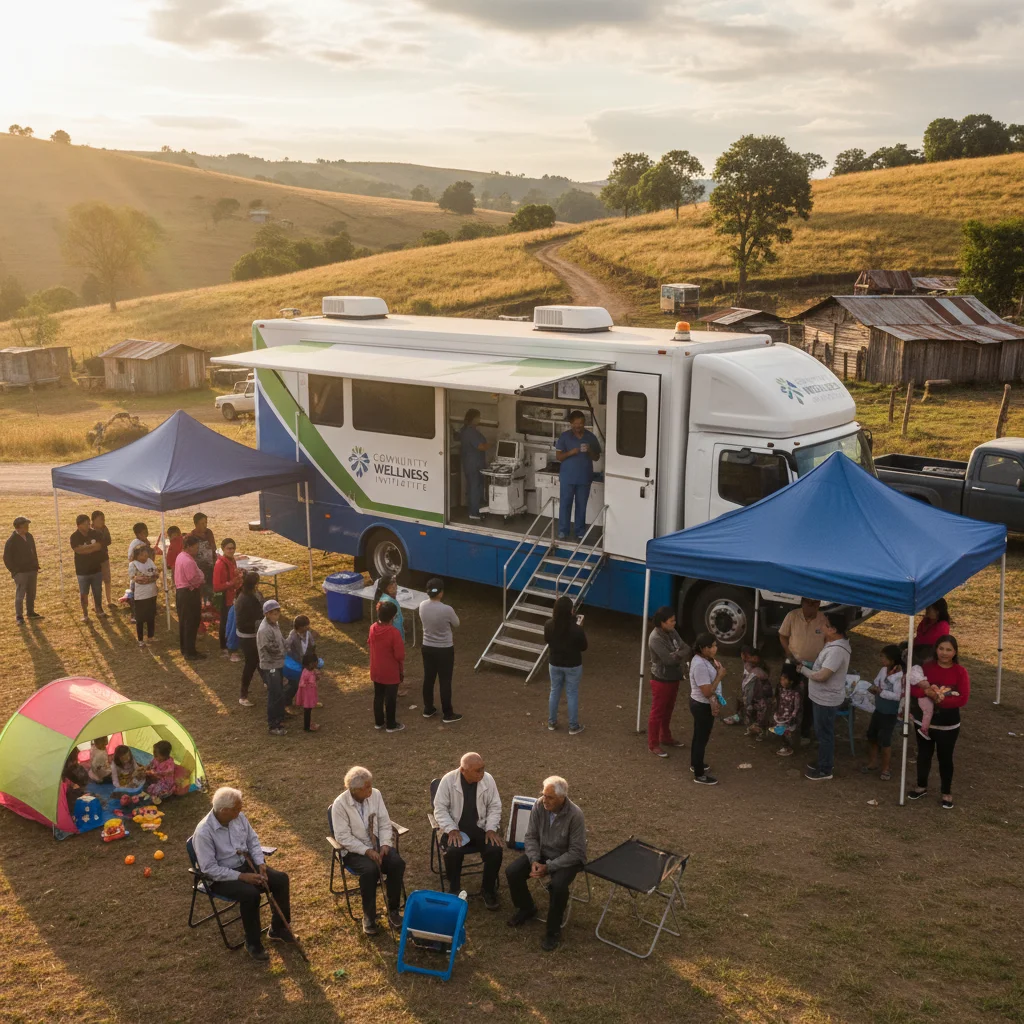
For communities with extreme geographical barriers or limited fixed infrastructure, mobile health clinics and targeted outreach programs are essential. These initiatives can bring essential medical services, vaccinations, screenings, and health education directly to where people live and work. By 2026, a network of well-equipped mobile clinics, supported by robust logistical planning, should be a standard component of essential healthcare access strategies.
Pillar 4: Workforce Development and Retention in Underserved Areas
A sustainable healthcare system hinges on a skilled and dedicated workforce. Attracting and retaining healthcare professionals in underserved communities is a complex but solvable challenge that demands innovative strategies by 2026.
Incentivizing Practice in Underserved Areas
Financial incentives, such as loan repayment programs, tax credits, and higher salaries, can encourage healthcare professionals to choose careers in underserved areas. These incentives should be substantial enough to offset potential financial disadvantages compared to urban practices. Beyond finances, offering opportunities for professional development, research, and leadership roles can also make these positions more attractive.
Pipeline Programs and Medical Education Reform
Cultivating a local healthcare workforce is a long-term solution. This involves establishing pipeline programs that identify and support students from underserved communities interested in health professions, from high school through medical school. Medical and nursing schools should integrate curricula focused on rural and urban underserved health, offering clinical rotations in these areas to expose students to the unique challenges and rewards of practicing there. This direct experience is crucial for understanding essential healthcare access in these contexts.
Support for Interprofessional Teams
Encouraging team-based care models, where physicians, nurses, physician assistants, pharmacists, social workers, and community health workers collaborate, can optimize resource utilization and improve patient outcomes. This approach can alleviate the burden on individual providers, enhance job satisfaction, and make practice in underserved areas more sustainable. Policies should support training and reimbursement for interprofessional teams.
Addressing Burnout and Promoting Well-being
Healthcare professionals in underserved areas often face high caseloads, limited resources, and significant emotional stress, leading to burnout. Strategies to mitigate burnout include providing adequate administrative support, access to mental health services for providers, promoting work-life balance, and fostering a supportive work environment. Retaining the existing workforce is as critical as recruiting new talent to ensure continued essential healthcare access.
Pillar 5: Community Engagement and Empowerment
Sustainable improvements in essential healthcare access are only possible when communities are active participants in shaping their own health solutions. The 2026 roadmap emphasizes co-creation and empowerment.
Community-Led Health Initiatives
Healthcare interventions are most effective when they are designed with, not just for, the community. Engaging community leaders, residents, and local organizations in identifying health priorities, designing programs, and evaluating outcomes ensures that solutions are culturally appropriate and responsive to local needs. This collaborative approach fosters ownership and sustainability for essential healthcare access programs.

Health Literacy Programs
Empowering individuals with the knowledge and skills to make informed health decisions is fundamental. Health literacy programs should be developed in partnership with communities, using accessible language and formats to explain complex health information, navigate healthcare systems, and understand preventative measures. Improved health literacy leads to better health behaviors and more effective utilization of essential healthcare access.
Addressing Social Determinants of Health
Healthcare access is intrinsically linked to broader social determinants of health, such as housing, food security, education, and employment. The roadmap must advocate for cross-sectoral collaborations that address these underlying factors. Partnerships with local government, educational institutions, social services, and businesses can create a holistic approach to improving community well-being, which in turn enhances essential healthcare access.
Building Trust and Cultural Competence
Historical injustices and systemic biases have eroded trust between healthcare systems and many underserved communities. Rebuilding this trust requires a sustained commitment to cultural competence, anti-racism, and patient-centered care. Healthcare providers must be trained to understand and respect diverse cultural beliefs, communicate effectively across linguistic barriers, and address implicit biases. This builds the foundation for effective essential healthcare access.
The Path Forward: A Collaborative Vision for 2026
The 2026 roadmap for essential healthcare access in underserved communities is ambitious but achievable. It requires a concerted and collaborative effort from governments, healthcare organizations, technology innovators, academic institutions, and, most importantly, the communities themselves. This is not merely about providing medical services; it is about fostering environments where health and well-being can flourish for everyone.
By focusing on robust policy and funding reform, intelligently leveraging technology, strengthening primary and community-based care, investing in workforce development, and empowering communities, we can dismantle the systemic barriers that currently deny millions their right to health. The journey will involve continuous evaluation, adaptation, and a readiness to embrace innovative solutions.
Measuring Progress and Accountability
To ensure the roadmap stays on track, clear metrics and accountability mechanisms must be established. This includes tracking indicators such as:
- Rates of chronic disease management and prevention in underserved communities.
- Access to primary care physicians and specialists.
- Utilization of telehealth services.
- Patient satisfaction and health outcomes disparities.
- Number of healthcare professionals practicing in underserved areas.
- Investment in public health infrastructure.
Regular reporting and transparent evaluation will be vital for identifying successes, addressing shortcomings, and adjusting strategies to meet the evolving needs of communities.
Investment in Research and Innovation
Continuous investment in research and innovation is crucial. This includes exploring new models of care delivery, developing more affordable and accessible medical technologies, and understanding the unique health challenges faced by specific underserved populations. Research should also focus on implementation science – how best to translate evidence-based interventions into real-world practice in these complex settings. This ensures that the essential healthcare access roadmap remains dynamic and effective.
Global Solidarity and Cross-Border Learning
The challenges of essential healthcare access are not unique to any single nation. International collaboration and knowledge sharing are paramount. Learning from successful models in different countries, sharing best practices, and coordinating efforts on global health initiatives can accelerate progress. A global commitment to health equity strengthens the collective capacity to achieve universal essential healthcare access.
Conclusion: A Healthier Future by 2026
The vision for 2026 is one where essential healthcare access is dramatically improved for underserved communities worldwide. It is a vision built on equity, innovation, and community empowerment. While the challenges are significant, the tools, knowledge, and collective will exist to make this vision a reality. By prioritizing the health and well-being of every individual, especially those who have historically been left behind, we not only improve individual lives but also strengthen the fabric of our societies. The roadmap presented here is a call to action, a blueprint for a healthier, more equitable future where essential healthcare access is truly universal.
The time to act is now. Let us commit to building a future where no one is denied the fundamental right to health, and where every community, regardless of its circumstances, has the essential healthcare access it deserves.