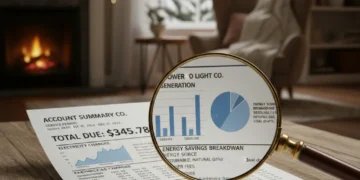
2026 US Residential Utility Setup: A 4-Point Checklist for Seamless Transition

Moving to a new home is an exciting, yet often overwhelming, experience. Amidst the packing, unpacking, and decorating, one crucial aspect that demands meticulous attention is the setup of residential utilities. For those planning a move in 2026 within the United States, understanding the landscape of utility services and having a clear plan is paramount. This comprehensive guide provides a 4-point checklist to ensure your utility transition is as seamless and stress-free as possible. From electricity and water to gas and internet, we’ll cover every essential step to get your new home up and running efficiently.
The year 2026 brings with it evolving technologies, new regulatory considerations, and an increasing emphasis on smart home integration and energy efficiency. Navigating these changes requires foresight and a structured approach. Our 2026 Utility Setup Checklist is designed to equip you with the knowledge and actionable steps needed to avoid common pitfalls and ensure that your essential services are activated precisely when you need them.
Understanding the Modern Utility Landscape in 2026
Before diving into the checklist, it’s essential to grasp the current state of residential utilities in the US. The industry is dynamic, influenced by technological advancements, environmental concerns, and shifting consumer expectations. In 2026, you can expect a few key trends:
- Smart Home Integration: More utility providers are offering tools and services that integrate seamlessly with smart home devices (thermostats, lighting, security). This allows for greater control, efficiency, and often, cost savings.
- Renewable Energy Options: The push for sustainable living means more options for green energy plans, particularly for electricity. Homeowners can often choose providers that source a higher percentage of their power from renewable sources.
- Digital-First Services: Most utility companies have robust online portals for account management, bill payment, and service requests, minimizing the need for phone calls.
- Data-Driven Consumption: Smart meters are becoming standard, providing homeowners with real-time data on their energy and water consumption, empowering them to make informed decisions about usage.
- Broadband Competition: The internet service provider (ISP) market continues to be competitive, with fiber optic and 5G home internet expanding their reach, offering faster speeds and more reliable connections.
Being aware of these trends will help you make informed decisions as you go through your 2026 Utility Setup Checklist. Now, let’s break down the essential steps.
Point 1: Research and Identify Your Providers
The first and arguably most critical step in your 2026 Utility Setup Checklist is to identify which utility companies serve your new address. Unlike some countries, the US often has multiple providers for certain services, especially electricity (in deregulated markets) and internet. This research phase is vital for ensuring you connect with the correct entities and can compare options where available.
A. Determine Service Providers for Your New Address
Start by identifying the incumbent providers for your specific location. This information can typically be found through several avenues:
- Ask Your Real Estate Agent: They are a treasure trove of local information and often have lists of utility providers for different areas.
- Contact the Previous Residents: If possible, reach out to the previous owners or tenants. They can provide direct contact information for the services they used.
- Check the City/County Website: Local government websites often list official utility providers for water, sewer, and sometimes trash services.
- Online Search: A simple Google search for "utilities [your new city/state]" or "electricity providers [your new address]" can yield relevant results. Be specific with your address to ensure accuracy.
B. Electricity and Gas
These are often the most complex due to market deregulation in some states. In regulated markets, you’ll have a single electric company and a single gas company. In deregulated markets, you might have a choice of electricity suppliers, while the distribution company remains fixed.
- Regulated Markets: Contact the sole provider.
- Deregulated Markets: Research different energy suppliers. Look for plans that align with your budget and values (e.g., renewable energy options). Websites like EnergySage or state-specific utility commissions can help compare plans.
C. Water and Sewer
These services are almost always provided by a municipal or county-level utility. There’s typically no choice of provider. You’ll need to contact them directly to set up your account. Be aware that some areas may have separate billing for water and sewer, or even for trash collection.
D. Internet, TV, and Phone
This is where competition often thrives. You might have options between cable, fiber optic, DSL, satellite, or 5G home internet providers. Research speeds, data caps, contract terms, and pricing. Bundling services (internet, TV, phone) can sometimes offer cost savings, but compare standalone prices as well.
- Check Availability: Visit the websites of major providers (e.g., Xfinity, Spectrum, AT&T, Verizon, T-Mobile Home Internet, local fiber companies) and input your new address to see what services are available.
- Read Reviews: Look for customer reviews regarding reliability, customer service, and actual speeds in your area.
E. Trash and Recycling
These services can be municipal, county-based, or private. In some areas, it’s included with your property taxes; in others, you’ll need to subscribe to a private hauler. Confirm the local arrangements.
Point 2: Schedule Service Activation and Transfers
Once you’ve identified your providers, the next step in your 2026 Utility Setup Checklist is to proactively schedule the activation of new services or the transfer of existing ones. Timing is crucial here to avoid living without essential amenities.
A. Timing Your Service Activation
Aim to have services activated a few days before your move-in date. This allows for any unexpected delays and ensures you have power, water, and internet as soon as you arrive. For example, scheduling electricity to be turned on 1-2 days prior to your move-in can prevent a dark first night.
- Electricity & Gas: Typically requires a few business days notice. Some companies offer same-day activation for an additional fee.
- Water & Sewer: Usually straightforward, often activated within 1-2 business days.
- Internet & TV: Often requires an installation appointment. Schedule this well in advance, as popular times can book up quickly.
B. Contacting Providers and Setting Up Accounts
Most utility companies offer several ways to initiate service:
- Online Portals: The most convenient method for many. You can often fill out forms, upload necessary documents, and schedule services directly through their websites.
- Phone: Call the customer service lines. Be prepared for hold times, especially during peak moving seasons.
- In-Person: Some smaller municipal utilities might require an in-person visit to set up an account.
When you contact them, have the following information ready:
- Your full new address (including apartment or unit number, if applicable).
- Your desired service start date.
- Your previous address (if transferring service).
- Social Security Number (SSN) or Tax ID for a credit check (some companies may require a deposit if your credit score doesn’t meet their criteria).
- A form of identification (driver’s license, state ID).
- Payment method for any setup fees or deposits.
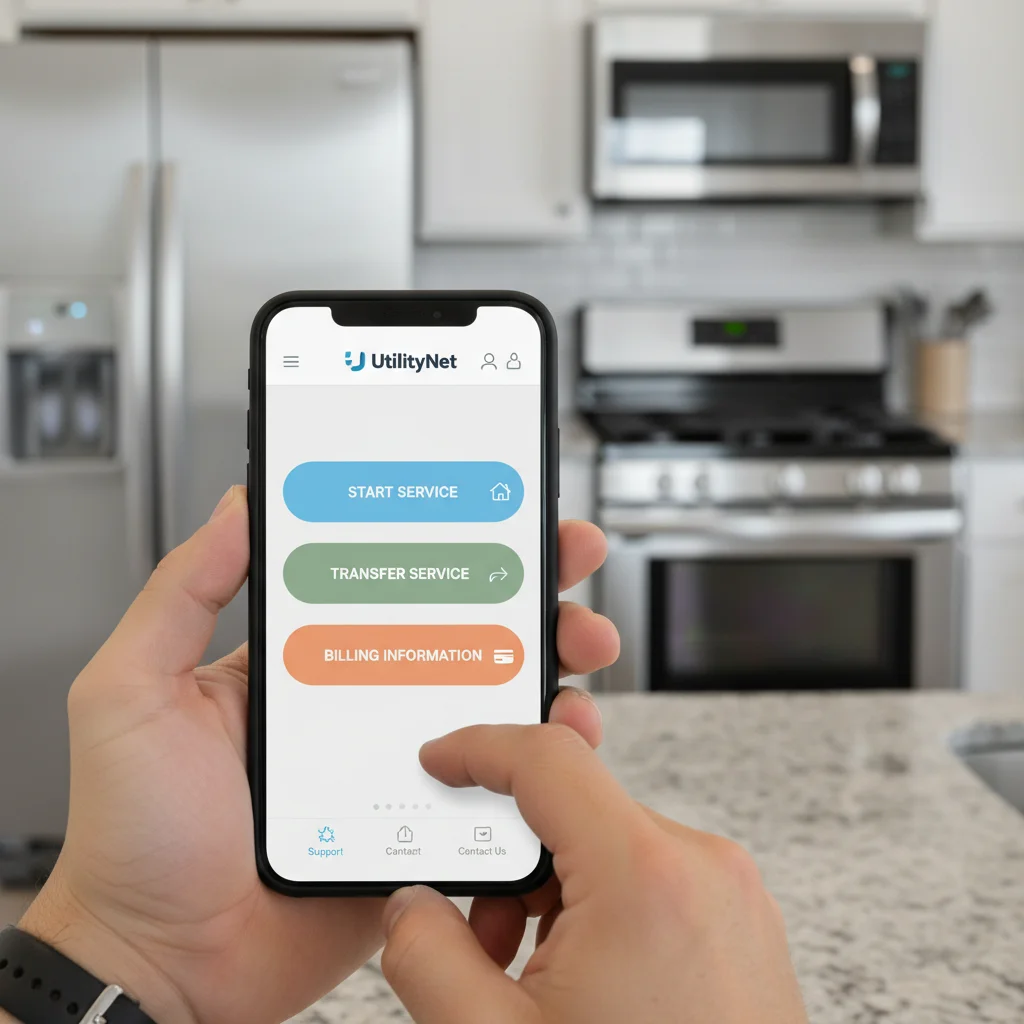
C. Transferring Existing Services (If Applicable)
If you’re moving within the same service area and using the same provider, you might be able to transfer your existing account. This can sometimes be simpler than setting up an entirely new account. Be sure to provide both your old and new addresses and the desired transfer date. Confirm the final billing date for your old address and the start date for your new one to avoid overlapping charges or service gaps.
Point 3: Budgeting and Understanding Your Bills
A crucial, yet often overlooked, part of the 2026 Utility Setup Checklist is understanding the financial implications of your new utility services. Budgeting effectively and knowing what to expect on your bills can prevent unwelcome surprises.
A. Estimate Monthly Utility Costs
Utility costs can vary significantly based on location, home size, insulation, appliance efficiency, and personal usage habits. Before you even move in, try to get an estimate:
- Ask Previous Residents: If possible, inquire about their average monthly utility bills.
- Request Historical Data: Utility companies can often provide historical usage data for a specific address. This is an excellent way to gauge potential costs.
- Online Calculators: Many websites offer utility cost estimators based on square footage, location, and number of occupants.
Factor in seasonal variations. Heating costs will be higher in winter, and cooling costs in summer. Water usage might increase with gardening or during warmer months.
B. Understanding Billing Cycles and Payment Options
Each utility will have its own billing cycle (e.g., monthly, bi-monthly). Familiarize yourself with these dates to avoid late payments. Most companies offer a variety of payment methods:
- Online Portals: Pay directly through their website with a credit card, debit card, or bank account.
- Auto-Pay: Set up automatic deductions from your bank account or credit card. This is convenient and helps avoid late fees.
- Mail: Send a check via postal service.
- Phone: Pay over the phone, sometimes with a small processing fee.
- Budget Billing/Levelized Payments: Many utility companies offer programs that average your annual usage into consistent monthly payments, smoothing out seasonal spikes. This can be very helpful for budgeting purposes.
C. Deposits and Setup Fees
Be prepared for potential deposits and setup fees. These are particularly common for electricity and gas if you don’t have an established credit history with the provider or if your credit score is below a certain threshold. Internet providers also often charge installation fees, especially for new fiber optic connections. Confirm these costs upfront during your setup calls or online applications.
Point 4: Optimize for Efficiency and Smart Home Integration
The final point on your 2026 Utility Setup Checklist focuses on maximizing efficiency and leveraging modern technology. This not only helps reduce your environmental footprint but can also lead to significant long-term savings.
A. Embrace Smart Home Technology
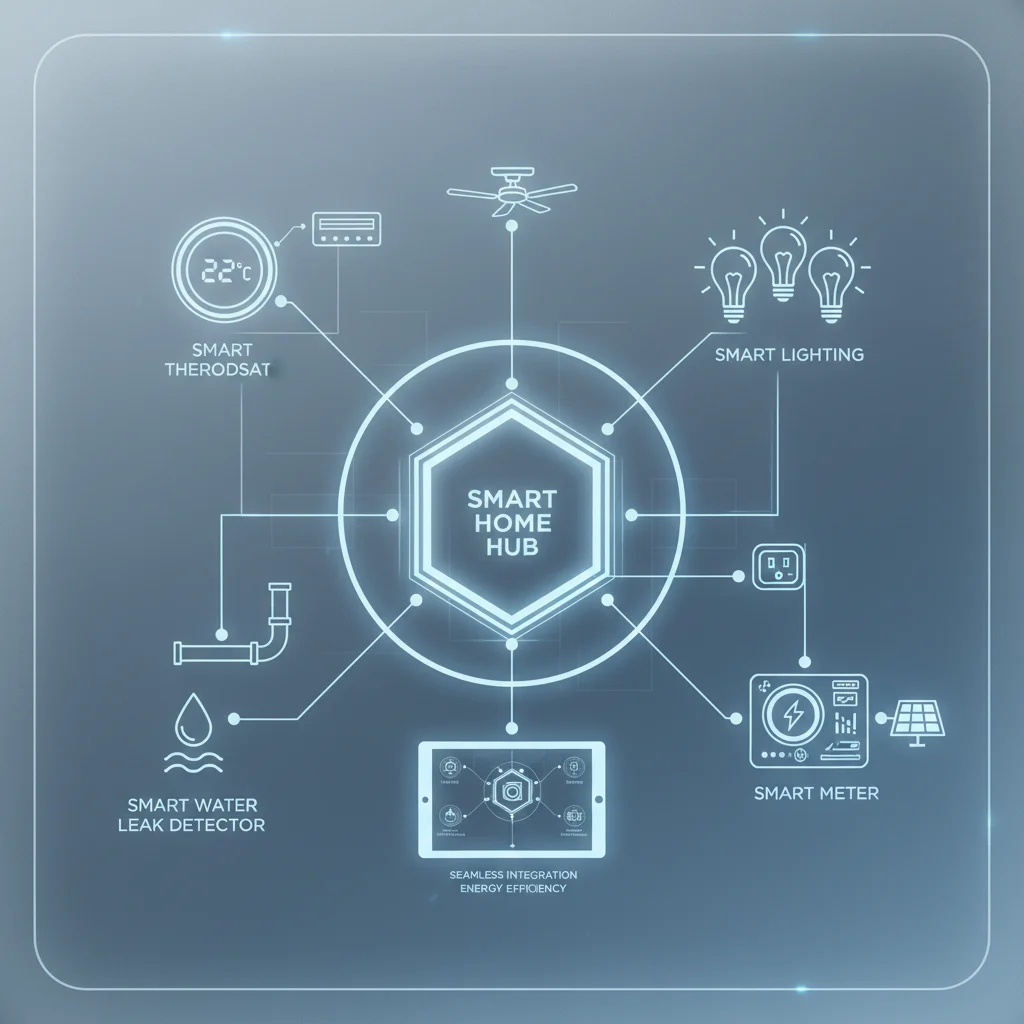
If your new home isn’t already equipped, consider investing in smart devices that can optimize utility usage:
- Smart Thermostats: Devices like Nest or Ecobee learn your habits and can be controlled remotely, significantly reducing heating and cooling costs. Many utility companies offer rebates for installing smart thermostats.
- Smart Lighting: LED smart bulbs consume less energy and can be programmed to turn off when rooms are vacant or adjust to natural light.
- Smart Sprinkler Systems: Water your lawn based on weather forecasts and soil moisture, preventing overwatering and conserving water.
- Smart Plugs: Turn off "phantom load" from electronics that draw power even when not in use.
- Smart Water Leak Detectors: Alert you to leaks early, preventing costly damage and water waste.
Many smart devices can be integrated into a central hub or controlled via a single app, simplifying management of your home’s energy consumption.
B. Conduct an Energy Audit
Once you’re settled, consider a professional home energy audit. An auditor can identify areas where your home is losing energy (e.g., poor insulation, leaky windows/doors) and recommend improvements. Many utility companies offer free or subsidized energy audits to their customers.
Even a DIY audit can reveal simple fixes:
- Check for drafts around windows and doors.
- Inspect insulation in the attic and crawl spaces.
- Ensure appliances are running efficiently.
C. Monitor Usage and Adjust Habits
Leverage the data provided by smart meters and utility company portals. Regularly review your electricity, gas, and water consumption. Identifying peak usage times and understanding what activities contribute most to your bills can help you adjust habits for greater efficiency.
- Off-Peak Usage: If your electricity plan has time-of-use rates, shift energy-intensive activities (laundry, dishwashing) to off-peak hours.
- Lower Thermostat Settings: Even a few degrees can make a difference in heating and cooling costs.
- Water Conservation: Take shorter showers, fix leaky faucets promptly, and run dishwashers/washing machines only when full.
Small changes in daily habits, informed by your usage data, can lead to substantial savings over time.
Additional Considerations for Your 2026 Utility Setup
Beyond the core 4-point checklist, a few other elements are worth keeping in mind as you navigate your residential utility setup in 2026.
Security and Privacy
With increased digitalization and smart home integration, understanding the security and privacy implications of your utility data is important. Most reputable utility companies adhere to strict data protection protocols, but it’s always wise to:
- Use strong, unique passwords for all online utility accounts.
- Be wary of phishing scams that impersonate utility companies.
- Understand how your smart home devices collect and use data, and adjust privacy settings accordingly.
Emergency Preparedness
Knowing what to do in a utility emergency (power outage, gas leak, water main break) is crucial. Locate emergency contact numbers for all your utility providers and keep them accessible. Sign up for outage alerts where available. Consider investing in a backup power source (like a portable generator) if you live in an area prone to frequent outages.
Understanding Local Regulations and Rebates
Local and state governments, as well as utility companies, often offer rebates or incentives for energy-efficient upgrades, smart home device installations, or renewable energy adoption. Research these opportunities as part of your 2026 Utility Setup Checklist. For example, some states offer tax credits for solar panel installations or energy-efficient appliance purchases. These can significantly offset initial costs.
Home Warranty and Appliance Protection Plans
While not strictly a utility, home warranty plans can cover repairs or replacements for major appliances and systems (HVAC, plumbing, electrical) that rely on your utilities. Some utility companies also offer their own appliance protection plans for items like water heaters or HVAC systems. Consider if these plans align with your budget and risk tolerance.
Meter Readings and Access
Ensure that utility companies have clear, safe access to your meters for readings or maintenance. If you have smart meters, readings are often transmitted automatically, but physical access might still be needed periodically. Keep the area around meters clear of obstructions.
Conclusion: A Smooth Transition with Your 2026 Utility Setup Checklist
Setting up utilities in a new home doesn’t have to be a source of stress. By following this comprehensive 2026 Utility Setup Checklist, you can approach the process with confidence and efficiency. From thoroughly researching your providers and strategically scheduling activations to budgeting wisely and embracing smart home technology, each step is designed to ensure a seamless transition.
Remember, proactive planning is your best friend when it comes to utilities. Start early, gather all necessary information, and don’t hesitate to contact providers with any questions. By doing so, you’ll not only avoid service interruptions but also lay the groundwork for an energy-efficient, cost-effective, and comfortable new chapter in your US residential utility journey. Welcome home!