2026 Home Maintenance Checklist: HVAC, Plumbing, Electrical Essentials
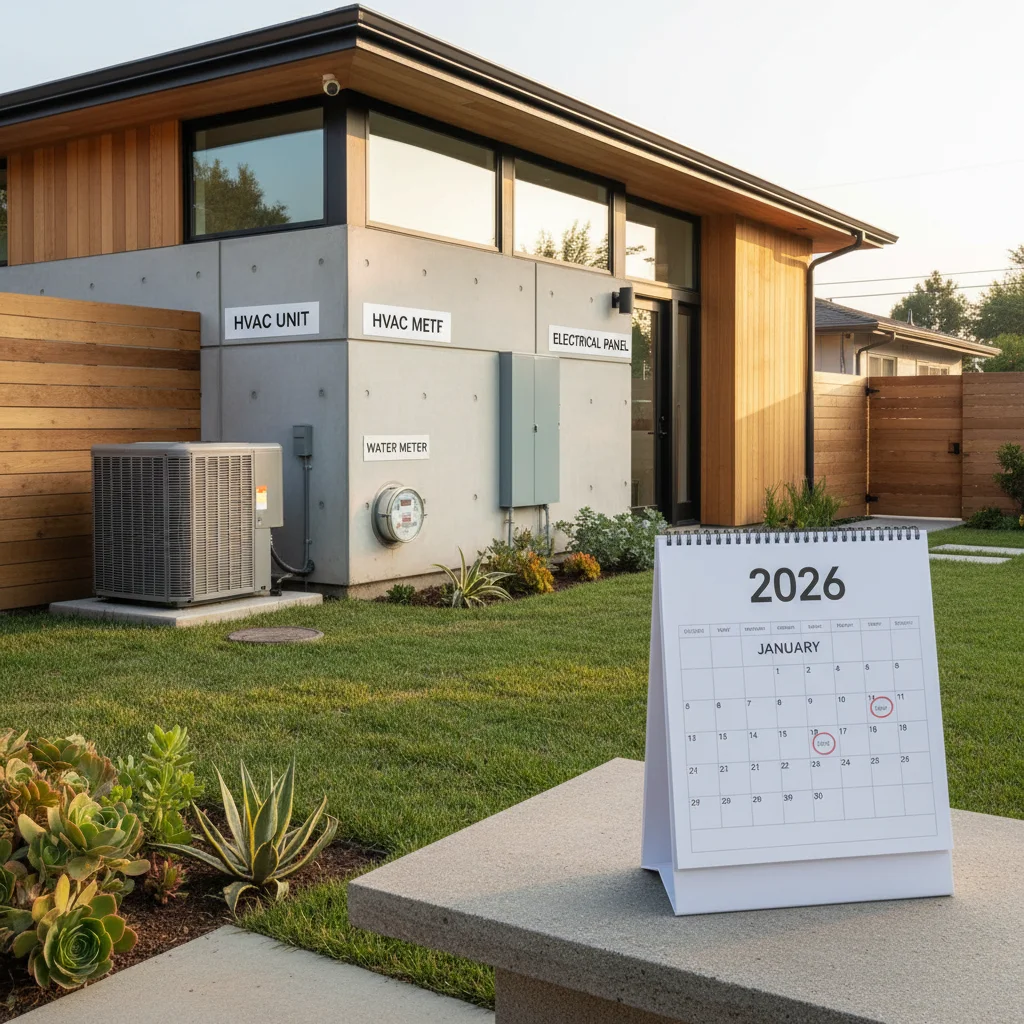
As we step further into the future, the demands on our homes’ essential systems continue to evolve. With advancements in technology and a greater emphasis on energy efficiency and sustainability, maintaining your HVAC, plumbing, and electrical systems is more crucial than ever. This comprehensive Home Maintenance Checklist 2026 is designed to guide homeowners through the necessary steps to ensure their living spaces remain safe, comfortable, and efficient for the year ahead and beyond. Proactive maintenance not only prevents costly emergency repairs but also extends the lifespan of your home’s most vital components, enhances energy efficiency, and contributes to a healthier indoor environment.
Ignoring maintenance tasks can lead to a cascade of problems, from minor inconveniences to significant structural damage or safety hazards. A neglected HVAC system might struggle to maintain comfortable temperatures, leading to higher energy bills. Unchecked plumbing issues can result in leaks, water damage, and mold growth. Faulty electrical systems pose fire risks and can disrupt your daily life. This guide aims to empower you with the knowledge and actionable steps to tackle these critical areas, ensuring your home is prepared for whatever 2026 brings.
We’ll delve into specific tasks for each system, outlining seasonal considerations, recommended inspection frequencies, and tips for both DIY enthusiasts and when to call in the professionals. By following this Home Maintenance Checklist 2026, you’ll be investing in the longevity, safety, and value of your most important asset – your home.
The Cornerstone of Comfort: HVAC System Maintenance for 2026
Your Heating, Ventilation, and Air Conditioning (HVAC) system is the heart of your home’s comfort. It regulates temperature, controls humidity, and filters indoor air, all of which are vital for a healthy and pleasant living environment. As technology advances, newer HVAC systems are becoming more sophisticated, offering greater efficiency and smart home integration. However, even the most advanced systems require regular attention to perform optimally.
Annual Professional HVAC Inspection and Servicing
The most important item on your Home Maintenance Checklist 2026 for HVAC is scheduling at least one, preferably two, professional inspections annually. Ideally, this should be done in the spring before heavy AC use and in the fall before the heating season begins. A certified HVAC technician will:
- Inspect and clean coils (evaporator and condenser)
- Check refrigerant levels and inspect for leaks
- Examine electrical connections and controls
- Lubricate moving parts to reduce friction and wear
- Inspect the condensate drain for clogs
- Check thermostat settings and calibration
- Evaluate the system’s overall performance and efficiency
- Inspect ductwork for leaks or damage
This professional oversight can catch minor issues before they escalate into major, costly repairs, and ensures your system is running at peak efficiency, saving you money on energy bills.
Regular Air Filter Replacement
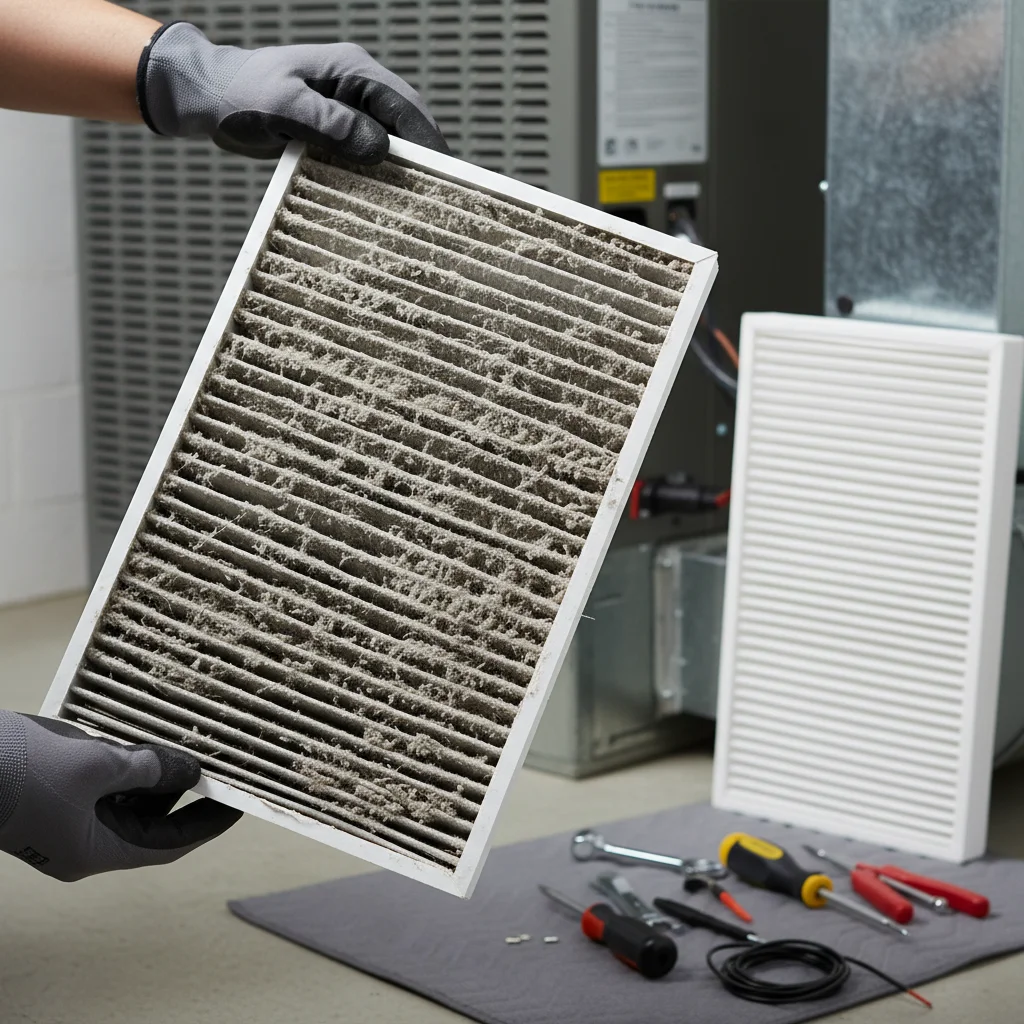
This is arguably the easiest yet most overlooked HVAC maintenance task. Dirty air filters restrict airflow, forcing your system to work harder, which increases energy consumption and reduces its lifespan. They also fail to effectively filter out dust, allergens, and pollutants, diminishing indoor air quality. Depending on your system, pets, and household allergies, filters should be replaced every 1-3 months. For 2026, consider upgrading to higher MERV (Minimum Efficiency Reporting Value) rated filters for better air quality, but ensure your system can handle the increased airflow resistance.
Cleaning Outdoor Units
The outdoor unit (condenser) of your AC system can collect leaves, dirt, and debris, especially during certain seasons. Keep the area around the unit clear of vegetation, at least two feet in all directions, to ensure proper airflow. Gently hose down the fins to remove accumulated dirt. Be careful not to bend the delicate fins.
Thermostat Management and Smart Home Integration
For 2026, if you haven’t already, consider upgrading to a smart thermostat. These devices learn your preferences, can be controlled remotely, and offer detailed energy usage reports, helping you optimize your HVAC schedule and save energy. Ensure your thermostat is correctly programmed for your lifestyle, setting back temperatures when you’re away or asleep.
Ductwork Inspection and Cleaning
Over time, ductwork can accumulate dust, debris, and even mold. Leaky ducts can also lead to significant energy loss. Periodically inspect visible ducts for damage or disconnections. While professional duct cleaning isn’t always necessary annually, it’s a good idea every 3-5 years, or if you notice excessive dust, mold, or have recently completed home renovations. This is a key part of your Home Maintenance Checklist 2026 for ensuring clean air and efficient system operation.
The Silent Guardian: Plumbing System Maintenance for 2026
Your home’s plumbing system is often out of sight, out of mind, until a problem arises. From delivering fresh water to removing wastewater, a properly functioning plumbing system is essential for daily living. Neglecting plumbing can lead to serious issues like water damage, mold, and costly repairs. The Home Maintenance Checklist 2026 emphasizes proactive measures to keep your pipes, fixtures, and appliances running smoothly.
Regular Leak Detection and Repair
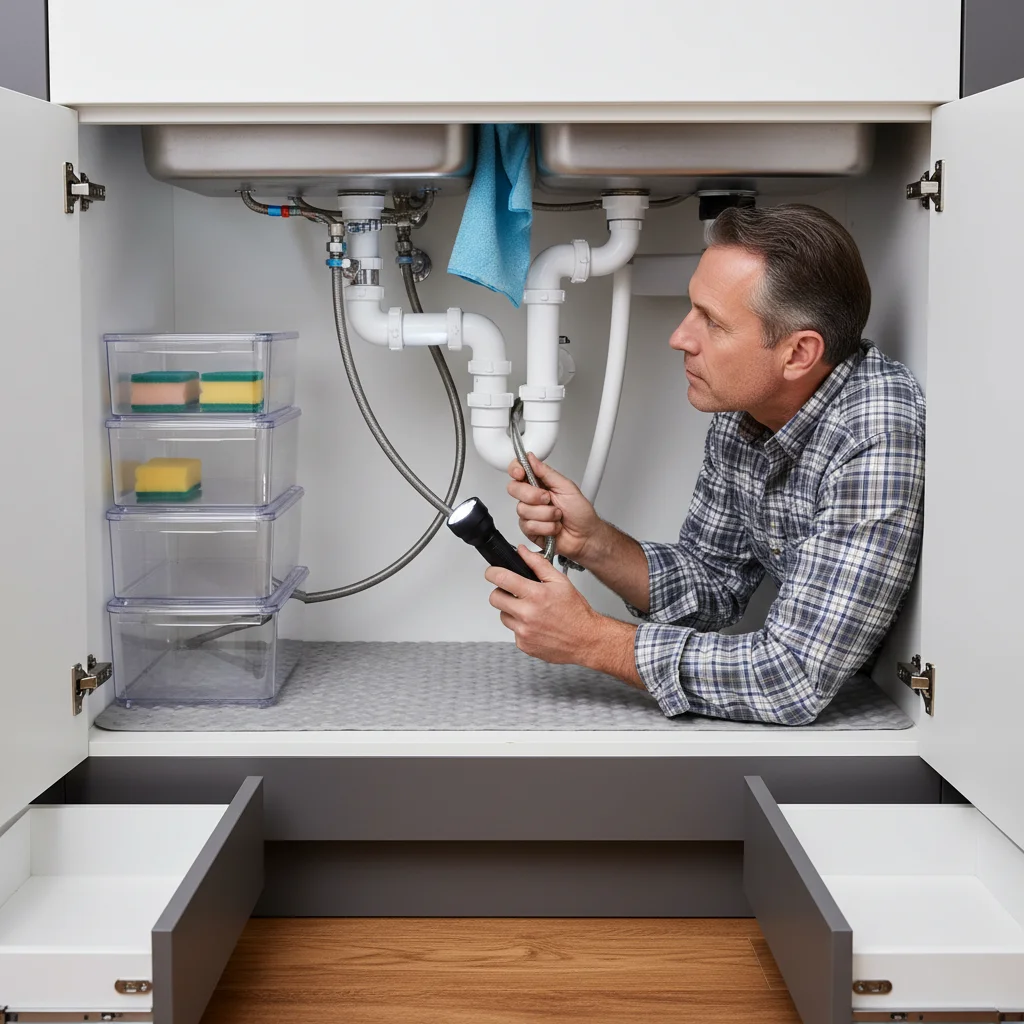
Even small leaks can waste significant amounts of water and lead to hidden damage. Regularly check under sinks, around toilets, and near appliances like dishwashers and washing machines for any signs of moisture. Pay attention to dripping faucets or running toilets. For 2026, consider installing smart leak detectors in critical areas; these devices can alert you via your smartphone at the first sign of a leak, preventing extensive damage.
Water Heater Inspection and Flushing
Your water heater works tirelessly to provide hot water. Over time, sediment can build up at the bottom of the tank, reducing efficiency and potentially shortening its lifespan. Flush your water heater annually to remove sediment. This simple task can significantly improve efficiency and prevent premature failure. Also, check the pressure relief valve and inspect for any signs of corrosion or leaks around the tank. If your water heater is older, consider its age as part of your Home Maintenance Checklist 2026; most have a lifespan of 8-12 years.
Drain Maintenance
Preventing clogs is far easier than clearing them. Avoid pouring grease down drains, use drain screens in sinks and showers to catch hair and food particles, and consider using enzyme-based drain cleaners periodically to break down buildup. Steer clear of harsh chemical drain cleaners, as they can damage pipes over time.
Sump Pump Check (If Applicable)
If your home has a basement or crawl space, a sump pump is crucial for preventing flooding. Test your sump pump at least twice a year by pouring a bucket of water into the pit to ensure it activates and drains properly. Clean the pit of any debris that could obstruct its operation.
Outdoor Spigot and Hose Bib Inspection
Before winter, ensure outdoor spigots are drained and covered to prevent pipes from freezing and bursting. In spring, check for any leaks or damage that may have occurred over the colder months. This is especially important for areas prone to freezing temperatures.
Appliance Hoses and Connections
Inspect the water supply hoses for your washing machine, dishwasher, and refrigerator (if it has an ice maker or water dispenser). Look for cracks, bulges, or leaks. Replace rubber hoses with braided stainless steel hoses for greater durability and peace of mind, a smart update for your Home Maintenance Checklist 2026.
The Unseen Network: Electrical System Maintenance for 2026
Your home’s electrical system powers everything from your lights and appliances to your smart home devices. While largely hidden behind walls, it requires careful attention to ensure safety and functionality. Electrical issues can range from minor inconveniences to serious fire hazards. The Home Maintenance Checklist 2026 for electrical systems focuses on preventing these risks and ensuring efficient power delivery.
Electrical Panel Inspection
Your electrical panel (breaker box) is the central hub of your home’s electrical system. Periodically inspect it for any signs of rust, corrosion, or burnt wires. Ensure all breakers are labeled correctly. If you notice flickering lights, frequently tripping breakers, or a burning smell, it’s crucial to contact a qualified electrician immediately. Never attempt to open the main panel cover yourself unless you are a trained professional.
Outlet and Switch Inspection
Check all outlets and light switches for warmth, discoloration, or loose connections. Outlets should firmly hold plugs; if a plug falls out easily, the outlet should be replaced. Ensure GFCI (Ground Fault Circuit Interrupter) outlets in bathrooms, kitchens, and outdoor areas are tested monthly using the test/reset buttons to confirm they are functioning correctly. For 2026, consider upgrading older two-prong outlets to three-prong (grounded) outlets where necessary, or installing AFCI (Arc Fault Circuit Interrupter) breakers for enhanced fire protection, especially in bedrooms.
Cord and Wiring Management
Avoid overloading outlets with too many devices, especially using power strips as a permanent solution. Inspect appliance cords and extension cords for fraying, cracks, or damage. Never run cords under rugs or furniture, as this can cause damage and create fire hazards. Ensure all electrical work is done by licensed professionals and meets current electrical codes.
Smoke and Carbon Monoxide Detector Testing and Battery Replacement
This is a non-negotiable item on any Home Maintenance Checklist 2026. Test all smoke and carbon monoxide detectors monthly by pressing the test button. Replace batteries at least twice a year, even if they seem to be working. For detectors with a sealed 10-year battery, replace the entire unit after 10 years. Ensure you have an adequate number of detectors strategically placed throughout your home, including outside sleeping areas and on every level.
Surge Protection
Protect your valuable electronics from power surges by using surge protectors. For whole-home protection, consider installing a whole-house surge protector at your electrical panel. This can prevent damage from lightning strikes and grid fluctuations, a wise investment for 2026.
Outdoor Electrical Safety
Inspect outdoor outlets, lighting fixtures, and wiring for weather damage. Ensure all outdoor electrical components are rated for outdoor use and have waterproof covers. If you use outdoor extension cords, ensure they are rated for outdoor use and are not damaged.
Seasonal Considerations for Your 2026 Home Maintenance Checklist
While many tasks on this Home Maintenance Checklist 2026 are ongoing or annual, some are best performed during specific seasons to prepare your home for changing weather conditions.
Spring Maintenance (March – May)
- HVAC: Schedule AC tune-up, clean outdoor condenser unit, change air filter.
- Plumbing: Turn on outdoor spigots, check for leaks, inspect sprinkler systems.
- Electrical: Check outdoor outlets and lighting for winter damage.
- General: Clean gutters and downspouts, inspect roof for damage, check foundation for cracks, clean windows.
Summer Maintenance (June – August)
- HVAC: Monitor AC performance, continue changing air filters monthly.
- Plumbing: Inspect washing machine hoses, check for basement leaks if humidity is high.
- Electrical: Ensure ceiling fans are balanced and clean, check pool/spa electricals if applicable.
- General: Check for pest infestations, clean dryer vents, trim trees away from power lines.
Fall Maintenance (September – November)
- HVAC: Schedule furnace tune-up, change air filter, ensure vents are clear.
- Plumbing: Drain and winterize outdoor spigots, flush water heater, insulate exposed pipes in unheated areas.
- Electrical: Test smoke/CO detectors, inspect holiday lighting for damage before use.
- General: Clean gutters of fallen leaves, inspect chimney, weatherstrip windows and doors.
Winter Maintenance (December – February)
- HVAC: Monitor furnace performance, change air filter, ensure adequate insulation.
- Plumbing: Monitor for frozen pipes, know how to shut off main water supply in an emergency.
- Electrical: Be mindful of increased electrical load from holiday decorations and space heaters, ensure clear access to electrical panel.
- General: Test emergency generator if you have one, clear snow and ice from walkways and entrances.
DIY vs. Professional Help: Knowing When to Call an Expert
While many tasks on this Home Maintenance Checklist 2026 can be handled by a diligent homeowner, it’s crucial to recognize when to call in a professional. Attempting complex repairs without the proper knowledge, tools, or safety precautions can lead to further damage, injury, or even life-threatening situations.
When to Call an HVAC Professional:
- Refrigerant leaks or low refrigerant levels.
- Strange noises or smells coming from your unit.
- System short cycling or running constantly.
- Complete system failure (no heating or cooling).
- Annual tune-ups and inspections.
When to Call a Plumbing Professional:
- Persistent leaks that you can’t locate or fix.
- No hot water or inconsistent water temperature.
- Low water pressure throughout the house.
- Sewer odors or sewage backups.
- Burst pipes or major water damage.
- Installation of new fixtures or appliances.
When to Call an Electrical Professional:
- Flickering lights or frequently tripping breakers.
- Burning smells from outlets or the electrical panel.
- Outlets that feel warm to the touch.
- Sparks from outlets or switches.
- Any wiring issues or upgrades (e.g., adding new circuits, panel upgrades).
- Installation of smart home devices that require wiring.
Always choose licensed and insured professionals. Don’t hesitate to get multiple quotes and check references. Investing in professional services for critical systems is an investment in your home’s safety and longevity, a key part of your effective Home Maintenance Checklist 2026.
Embracing Smart Home Technology for Enhanced Maintenance in 2026
The year 2026 brings with it an even wider array of smart home technologies that can significantly aid in preventative maintenance. Integrating these devices into your home can provide real-time monitoring, alerts, and even automated responses, making your Home Maintenance Checklist 2026 more efficient and proactive.
Smart Thermostats
As mentioned earlier, smart thermostats offer advanced scheduling, remote control, and energy usage insights. Some can even detect potential HVAC issues and alert you or your service provider.
Smart Leak Detectors
These small, battery-powered devices can be placed near water heaters, under sinks, or in basements. They detect moisture and send alerts to your phone, potentially preventing catastrophic water damage.
Smart Electrical Panels and Circuit Monitors
Emerging smart electrical panels can monitor energy consumption at the circuit level, identify unusual power draws, and even alert you to potential electrical faults before they become serious. They can also provide insights into which appliances are consuming the most energy.
Smart Water Valves
Paired with smart leak detectors, these devices can automatically shut off your home’s main water supply when a leak is detected, offering ultimate protection against water damage.
Air Quality Monitors
While not directly tied to HVAC mechanicals, smart air quality monitors can track pollutants, allergens, and humidity levels. This data can inform your HVAC filter choices and ventilation strategies, contributing to a healthier indoor environment, aligning perfectly with a comprehensive Home Maintenance Checklist 2026 approach.
The Long-Term Benefits of a Proactive Home Maintenance Checklist 2026
Consistently following a detailed Home Maintenance Checklist 2026 offers numerous advantages that extend far beyond simply avoiding immediate repairs:
- Cost Savings: Preventative maintenance is almost always less expensive than emergency repairs. Regular tune-ups and inspections can also significantly reduce your energy bills by ensuring systems run efficiently.
- Extended Lifespan of Systems: Well-maintained HVAC, plumbing, and electrical systems last longer, delaying the need for costly replacements.
- Enhanced Safety: Properly functioning systems reduce the risk of electrical fires, carbon monoxide poisoning, and water damage. Smoke and CO detectors, regularly checked, are lifesavers.
- Improved Indoor Air Quality: Clean HVAC filters and ductwork reduce allergens, dust, and pollutants, leading to a healthier living space.
- Increased Home Value: A well-maintained home is more attractive to potential buyers and commands a higher resale value. It signals responsible ownership and fewer hidden problems.
- Peace of Mind: Knowing that your home’s essential systems are in good working order provides a sense of security and comfort, allowing you to enjoy your home without constant worry.
- Environmental Responsibility: Efficient systems consume less energy, reducing your carbon footprint and contributing to a more sustainable lifestyle.
Final Thoughts on Your 2026 Home Maintenance Strategy
The Home Maintenance Checklist 2026 provided here is a living document, meant to be adapted to your specific home, climate, and lifestyle. The key is consistency and attention to detail. Create a schedule, mark your calendar, and consider using digital tools or apps to track your maintenance tasks. Don’t be afraid to ask for help when needed, and always prioritize safety.
By making preventative maintenance a priority for your HVAC, plumbing, and electrical systems, you’re not just taking care of a house; you’re safeguarding your investment, ensuring your family’s comfort and safety, and building a more resilient and efficient home for the future. Embrace this checklist, and enjoy the benefits of a well-maintained home throughout 2026 and for many years to come.