US Healthcare Enrollment 2026: Key Dates, New Options, and Essential Insights

Understanding US Healthcare Enrollment: Key Dates and New Options for 2026
Navigating the complex landscape of US healthcare enrollment can often feel overwhelming, but understanding the key dates, new options, and essential insights for 2026 is crucial for securing the best coverage for yourself and your family. As we approach the next enrollment cycle, significant changes and new opportunities are emerging that could impact your choices and financial well-being. This comprehensive guide aims to demystify the process, providing you with the knowledge needed to make informed decisions and ensure you have adequate health insurance coverage.
Healthcare is not just a service; it’s a fundamental necessity that protects us from unforeseen medical expenses and ensures access to vital care. The Affordable Care Act (ACA), often referred to as Obamacare, revolutionized how millions of Americans access health insurance. Since its inception, the ACA marketplace has been a cornerstone for individuals and families who don’t receive coverage through an employer, Medicare, or Medicaid. For 2026, both the ACA marketplace and other avenues for health coverage are expected to introduce updates that could affect premiums, plan offerings, and eligibility criteria. Staying abreast of these developments is paramount.
This article will delve into the critical aspects of US healthcare enrollment for 2026, including the much-anticipated Open Enrollment Period (OEP) dates, potential new plan options and benefits, eligibility requirements for various programs, and practical tips for comparing and selecting a plan that aligns with your specific needs and budget. We will also explore Special Enrollment Periods (SEPs) for those who experience qualifying life events outside the OEP, and touch upon government subsidies that can make health insurance more affordable. Our goal is to empower you with the information necessary to confidently approach your 2026 healthcare decisions.
Key Dates for US Healthcare Enrollment 2026: Mark Your Calendars!
One of the most critical pieces of information for anyone seeking health insurance is the Open Enrollment Period (OEP). This is the annual window during which most individuals can sign up for a new health plan, renew an existing one, or change plans through the Health Insurance Marketplace (healthcare.gov) or their state’s marketplace. While specific dates for 2026 are usually confirmed closer to the enrollment period, based on historical patterns, we can anticipate the OEP to run from November 1, 2025, to January 15, 2026, for coverage starting in 2026. However, it’s vital to remember that to have coverage effective on January 1, 2026, you typically need to enroll by mid-December 2025.
Missing the OEP can have significant consequences, as you generally cannot enroll in or change a health insurance plan until the next OEP, unless you qualify for a Special Enrollment Period. Therefore, it is imperative to mark these dates on your calendar and begin your research well in advance. Government health programs like Medicare and Medicaid also have their own enrollment periods and rules, which we will briefly discuss. Medicare’s Annual Enrollment Period (AEP) typically runs from October 15 to December 7 each year, for coverage beginning the following January 1. Medicaid enrollment, on the other hand, is generally open year-round for eligible individuals.

Anticipated Open Enrollment Period (OEP) for Marketplace Plans:
- Start Date: November 1, 2025 (projected)
- Deadline for January 1, 2026, Coverage: Mid-December 2025 (projected)
- End Date: January 15, 2026 (projected)
These dates are estimates based on previous years and are subject to official announcements from the Centers for Medicare & Medicaid Services (CMS) and state marketplaces. Always check the official healthcare.gov website or your state’s health insurance marketplace for the most accurate and up-to-date information as the 2026 enrollment season approaches. Planning ahead ensures you have ample time to compare plans, understand your options, and complete the enrollment process without last-minute stress.
New Options and Potential Changes in US Healthcare Enrollment for 2026
The landscape of US healthcare enrollment is constantly evolving, with new legislative actions, market trends, and policy adjustments influencing the types of plans available and the benefits they offer. For 2026, several key areas might see significant changes or new options that consumers should be aware of. These could include enhancements to subsidies, new plan designs, or expanded benefits in certain categories.
Potential Enhancements to Financial Assistance:
One of the most impactful aspects of the ACA is the financial assistance available to help make premiums more affordable. These subsidies, known as Advance Premium Tax Credits (APTCs), are based on income and household size. The enhanced subsidies introduced by the American Rescue Plan Act and extended by the Inflation Reduction Act have made coverage significantly more affordable for millions. There’s ongoing discussion about whether these enhanced subsidies will be made permanent or further extended beyond their current expiration. Any decision on this front will directly affect the net cost of insurance for many households during US healthcare enrollment for 2026.
Expanded Plan Offerings and Benefits:
In recent years, the marketplace has seen an increase in the number of participating insurers and a wider variety of plans. This trend is expected to continue, potentially offering consumers more choices in terms of plan types (HMO, PPO, EPO, POS), deductibles, and out-of-pocket maximums. Additionally, there might be a focus on expanding benefits in areas such as mental health services, prescription drug coverage, and preventative care. Insurers are also increasingly integrating telehealth services, which have become a crucial component of healthcare delivery, offering convenience and accessibility.
Focus on Transparency and Consumer Tools:
Expect continued efforts to improve price transparency and provide more user-friendly tools for comparing plans. Government initiatives and market pressures are driving insurers and marketplaces to offer clearer information on costs, covered services, and provider networks. This empowers consumers to make more informed decisions during US healthcare enrollment by easily comparing the true value of different plans.
Impact of State-Specific Reforms:
Beyond federal changes, individual states may also implement their own healthcare reforms or expand their existing programs. Some states operate their own marketplaces, which might offer unique plans or additional subsidies. It’s important to check your state’s specific regulations and offerings, as these can significantly impact your choices for 2026.
Who is Eligible for US Healthcare Enrollment and What Are the Options?
Eligibility for various health insurance programs under US healthcare enrollment depends on several factors, including income, household size, age, and employment status. Understanding these criteria is essential to identify which options are available to you.
Health Insurance Marketplace (ACA):
The Health Insurance Marketplace is available to individuals and families who do not have access to affordable health insurance through an employer, or who are not eligible for Medicare or Medicaid. To enroll, you generally need to be a U.S. citizen or lawfully present immigrant and reside in the U.S. There are no restrictions based on pre-existing conditions. Financial assistance (subsidies) is available for those with incomes between 100% and 400% (and temporarily above 400% due to enhanced subsidies) of the Federal Poverty Level (FPL).
Medicaid:
Medicaid provides low-cost or free health coverage to millions of Americans, including low-income adults, children, pregnant women, elderly adults, and people with disabilities. Eligibility for Medicaid is primarily based on income relative to the FPL, though the specific income thresholds vary by state. Many states have expanded their Medicaid programs under the ACA, covering more low-income adults. Enrollment in Medicaid is typically year-round, meaning you can apply at any time if you meet the eligibility criteria.
Medicare:
Medicare is the federal health insurance program for people aged 65 or older, certain younger people with disabilities, and people with End-Stage Renal Disease (ESRD). It consists of several parts: Part A (hospital insurance), Part B (medical insurance), Part C (Medicare Advantage, offered by private companies), and Part D (prescription drug coverage). Initial enrollment periods for Medicare are centered around your 65th birthday, and there’s an Annual Enrollment Period (AEP) each fall for making changes to your coverage.
Employer-Sponsored Health Plans:
Many Americans receive health insurance through their employers. If you are offered affordable, comprehensive coverage through your job, you generally won’t be eligible for subsidies on the Marketplace. Employers typically have their own open enrollment periods, which usually occur once a year, often in the fall. It’s crucial to pay attention to your employer’s deadlines and plan offerings.
Children’s Health Insurance Program (CHIP):
CHIP provides low-cost health coverage for children in families who earn too much to qualify for Medicaid but cannot afford private insurance. Eligibility varies by state, but generally covers children up to age 19. Some states also cover pregnant women through CHIP.
Navigating the Marketplace: How to Choose the Right Plan for 2026
Choosing a health insurance plan during US healthcare enrollment can be daunting, given the myriad of options. To make an informed decision for 2026, consider these crucial factors:
1. Understand Your Healthcare Needs:
Before looking at plans, assess your likely healthcare usage for the upcoming year. Do you have chronic conditions that require regular doctor visits or prescriptions? Are you planning to have surgery or start a family? Your anticipated medical needs will guide you toward suitable plans.
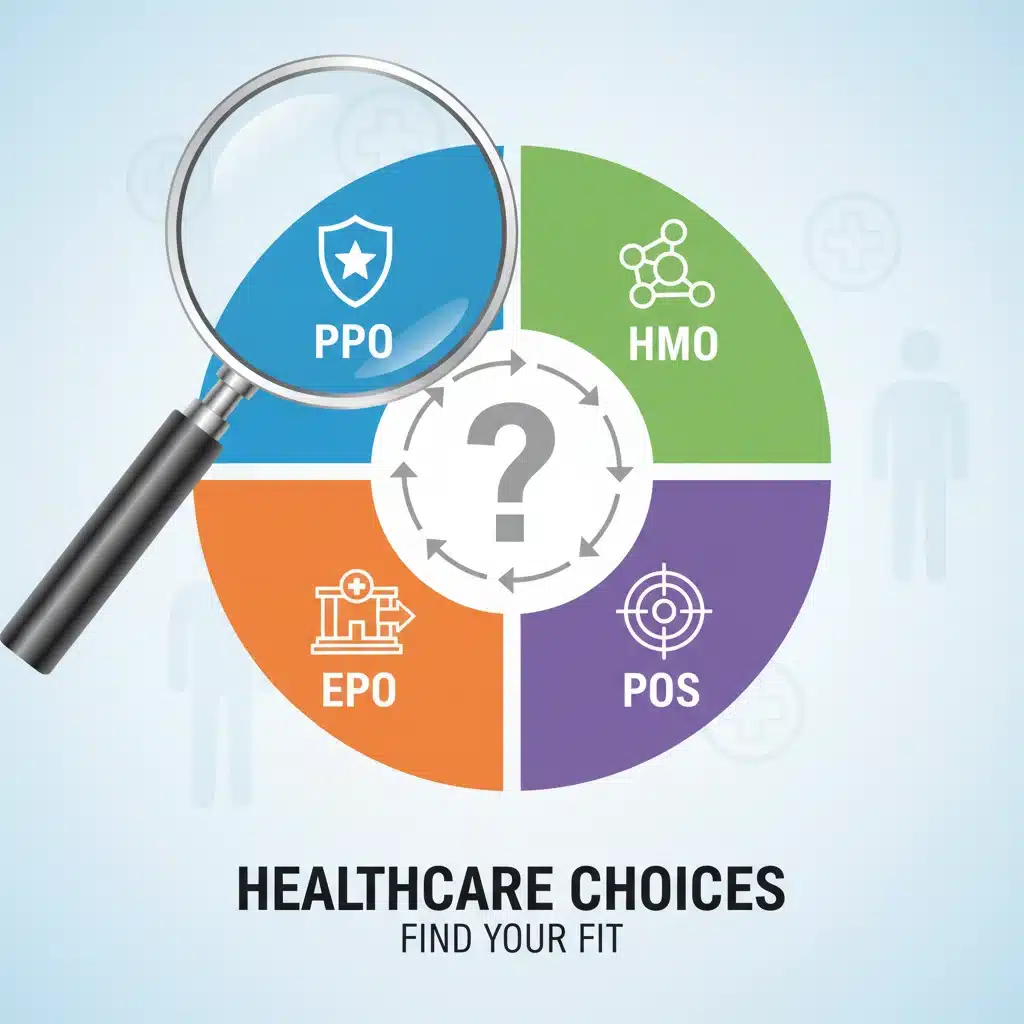
2. Compare Plan Types (HMO, PPO, EPO, POS):
- HMO (Health Maintenance Organization): Generally lower premiums, requires you to choose a primary care physician (PCP) who refers you to specialists within the network. No coverage for out-of-network care, except in emergencies.
- PPO (Preferred Provider Organization): More flexibility. You don’t need a referral to see a specialist, and you can see out-of-network providers (though at a higher cost). Premiums are typically higher.
- EPO (Exclusive Provider Organization): Similar to an HMO but without the need for a PCP referral for specialists. No coverage for out-of-network care, except in emergencies.
- POS (Point of Service): A hybrid of HMO and PPO. You may need a PCP referral for in-network care, but you can also go out-of-network for a higher cost.
3. Analyze Costs: Premiums, Deductibles, Copays, and Coinsurance:
Don’t just look at the monthly premium. Consider the total out-of-pocket costs:
- Premium: The monthly amount you pay for your insurance.
- Deductible: The amount you must pay out of pocket before your insurance starts to cover costs (except for preventative care).
- Copayment (Copay): A fixed amount you pay for a covered service after your deductible is met.
- Coinsurance: A percentage of the cost of a covered service you pay after your deductible is met.
- Out-of-Pocket Maximum: The most you’ll have to pay for covered services in a plan year. Once you reach this, your plan pays 100% of covered costs.
4. Check Provider Networks and Prescription Drug Formularies:
Ensure your preferred doctors, specialists, and hospitals are in the plan’s network. If you take specific medications, check the plan’s formulary (list of covered drugs) to confirm they are covered and at what cost tier. Out-of-network care or uncovered prescriptions can lead to significant unexpected expenses.
5. Utilize Marketplace Tools and Assistance:
The Health Insurance Marketplace website (healthcare.gov) and state-run marketplaces offer comparison tools that allow you to filter plans by type, cost, and benefits. Don’t hesitate to use their live chat, phone support, or connect with a local navigator or agent who can provide free, unbiased assistance with US healthcare enrollment.
Special Enrollment Periods (SEPs): When Life Happens Outside OEP
Even if you miss the Open Enrollment Period, you might still be able to enroll in a health plan through a Special Enrollment Period (SEP). SEPs are triggered by qualifying life events. These events typically grant you a 60-day window from the date of the event to enroll in a new plan. Understanding these events is crucial for anyone needing coverage outside the regular OEP for US healthcare enrollment.
Common Qualifying Life Events for SEPs:
- Loss of Health Coverage: Losing existing health coverage due to job loss, divorce, aging off a parent’s plan, or a plan ending. Voluntarily quitting a job or not paying premiums usually doesn’t qualify.
- Changes in Household Size: Getting married, having a baby, adopting a child, or placing a child for foster care.
- Changes in Residence: Moving to a new county or state that offers different health plan options. This applies if your previous plan’s network is no longer accessible.
- Changes in Income: If a change in your income affects your eligibility for subsidies or Medicaid.
- Becoming a U.S. Citizen or Lawfully Present Individual: Gaining citizenship or legal residency status.
- Other Events: Certain other events, like leaving incarceration or a AmeriCorps service, can also qualify.
If you experience any of these events, it’s vital to act quickly within the 60-day window to secure coverage. You will typically need to provide documentation to verify your qualifying life event when applying for an SEP. The Marketplace website or a certified assistant can help you determine if you qualify and guide you through the process.
The Future of US Healthcare Enrollment: What to Expect Beyond 2026
The landscape of US healthcare enrollment is dynamic, influenced by political shifts, economic conditions, and public health needs. While we focus on 2026, it’s worth considering the broader trends that might shape healthcare access and affordability in the coming years.
Continued Focus on Affordability:
Efforts to make healthcare more affordable are likely to remain a priority. This could manifest in continued debates over subsidy levels, prescription drug costs, and out-of-pocket expenses. Policymakers will likely explore various strategies to reduce the financial burden on consumers.
Emphasis on Preventative Care and Chronic Disease Management:
There’s a growing recognition of the importance of preventative care and effective management of chronic conditions to improve population health and reduce long-term costs. Future plans and programs might increasingly incentivize these aspects, offering more robust coverage for screenings, wellness programs, and integrated care models.
Technological Advancements and Telehealth:
The role of technology in healthcare, particularly telehealth, is expanding. Expect to see further integration of virtual care options into standard health plans, making healthcare more accessible, especially for those in rural areas or with limited mobility. Digital health tools for managing appointments, accessing medical records, and tracking health data will also likely become more sophisticated.
Addressing Health Disparities:
There is an increasing focus on addressing health disparities and ensuring equitable access to care for all populations. Future healthcare policies and enrollment strategies may include initiatives aimed at reaching underserved communities and improving health outcomes for vulnerable groups.
Conclusion: Be Prepared for US Healthcare Enrollment 2026
The 2026 US healthcare enrollment period represents a critical opportunity to secure or update your health insurance coverage. By understanding the key dates, anticipating new options, knowing your eligibility, and carefully comparing plans, you can navigate the process with confidence.
Start your research early, utilize the resources available on healthcare.gov or your state’s marketplace, and don’t hesitate to seek assistance from navigators or certified agents. Remember to consider all aspects of a plan – not just the premium – including deductibles, copays, coinsurance, provider networks, and prescription drug coverage. Being proactive and informed is your best strategy for ensuring you and your family have the essential healthcare protection you need for 2026 and beyond.
Stay tuned for official announcements regarding specific dates and policy changes as they are released. Your health is your wealth, and making the right choices during US healthcare enrollment is a vital step in protecting both.