Utility Service Protection: 5 Key Regulatory Changes Affecting Your Home in 2026
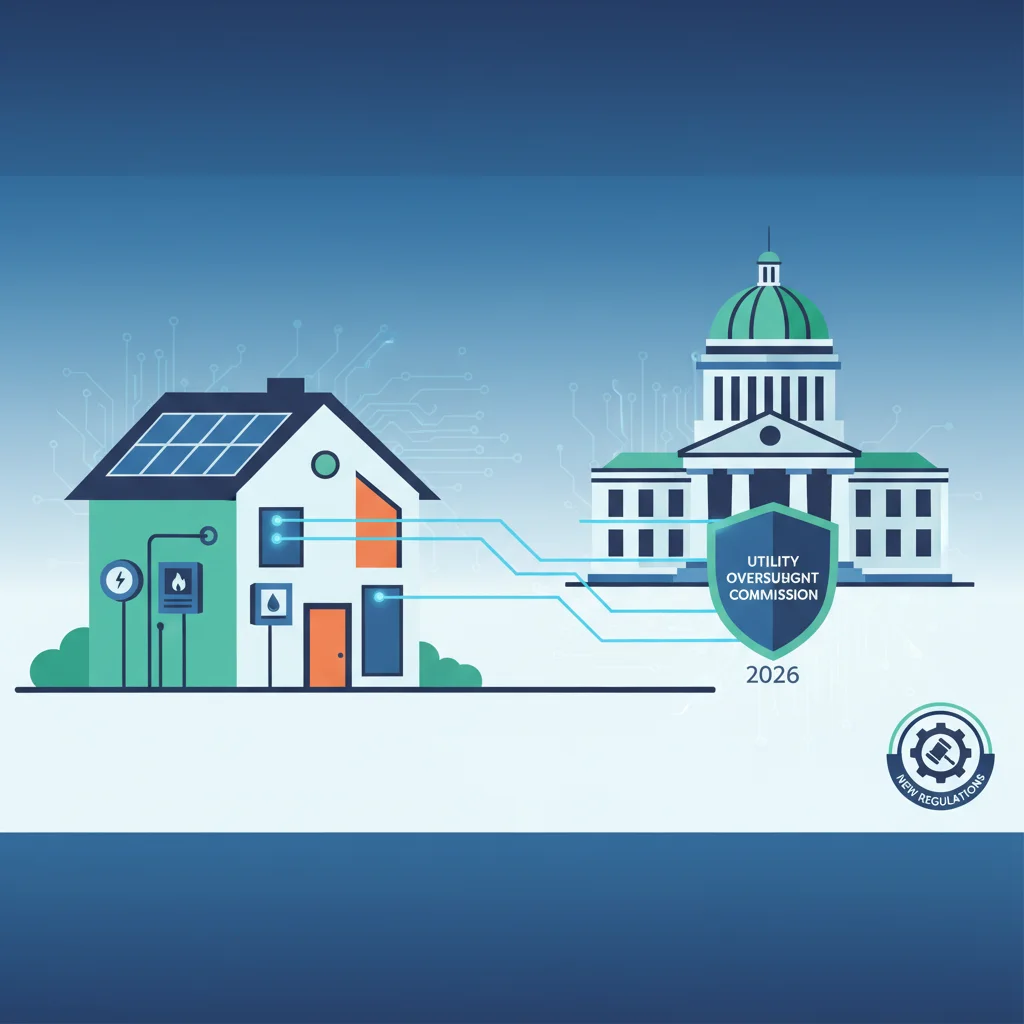
The Latest in Utility Service Protection: 5 Key Changes in U.S. Regulations Affecting Your Home in 2026
The landscape of utility services is constantly evolving, driven by technological advancements, environmental concerns, and the ever-present need for consumer protection. As we look towards 2026, significant shifts in U.S. utility regulations are on the horizon, promising to reshape how your home receives and is billed for essential services. Understanding these utility regulation changes is not just about staying compliant; it’s about empowering yourself as a homeowner, ensuring you receive fair treatment, reliable service, and potentially saving money in the long run. These updates, stemming from federal and state initiatives, aim to enhance resilience, promote sustainability, and reinforce consumer rights in an increasingly complex utility environment.
From the power grid to your water supply and internet connectivity, every aspect of your home’s utility protection is subject to review and reform. The year 2026 marks a pivotal moment, introducing reforms that could fundamentally alter your monthly bills, service quality, and recourse options in case of disputes. This comprehensive guide will delve into the five most impactful changes, offering a clear, actionable understanding of what to expect and how to prepare. We’ll explore the rationale behind these reforms, their direct implications for you, and what steps you can take to adapt and thrive under the new regulatory framework. Get ready to navigate the future of utility service with confidence and knowledge.
1. Enhanced Consumer Data Privacy and Usage Protections
One of the most significant utility regulation changes slated for 2026 revolves around consumer data privacy. In an era where smart meters and connected home devices collect vast amounts of data on energy consumption, water usage, and even peak demand times, concerns about how this information is stored, used, and shared have grown exponentially. The new regulations aim to provide homeowners with greater control and transparency over their utility data. This means utilities will face stricter guidelines on obtaining consent before collecting certain types of data, clearer protocols for how data is anonymized and aggregated, and more robust security measures to prevent data breaches.
The implications for homeowners are profound. You will likely see updated privacy policies from your utility providers, requiring your explicit consent for various data-sharing practices. This could include sharing your consumption patterns with third-party energy efficiency programs or marketing partners. The goal is to ensure that your personal utility data is not exploited without your knowledge or permission. Furthermore, these regulations are expected to mandate easier access for consumers to their own data, allowing you to monitor your usage patterns more effectively and make informed decisions about energy conservation or service upgrades. Expect a more transparent relationship with your utility provider regarding your data footprint.
These new privacy protections are a direct response to growing public demand for digital rights and data sovereignty. They aim to strike a balance between allowing utilities to leverage data for system optimization and innovation, and safeguarding individual privacy. Homeowners should familiarize themselves with the new consent forms and privacy statements they receive, paying close attention to what data is being collected and for what purpose. Understanding your rights under these enhanced protections will be crucial in managing your digital footprint in the utility sector.
Moreover, the regulations may introduce new mechanisms for consumers to challenge data inaccuracies or request the deletion of certain data points, adding another layer of control. This shift represents a proactive move to prevent potential misuse of sensitive information that could reveal daily routines, occupancy patterns, and even appliance usage within a home. The emphasis is on giving the power back to the consumer, enabling them to make informed choices about their data’s journey and ensuring that their privacy is a paramount consideration in the operation of modern utility grids.
2. Stricter Reliability Standards and Outage Response Mandates
For many homeowners, few things are as frustrating as unexpected utility outages. Whether it’s a power blackout, an interruption in water supply, or a broadband service disruption, the impact on daily life can be significant. Recognizing this, the 2026 utility regulation changes include stricter reliability standards and more stringent outage response mandates for utility providers across the U.S. These new rules are designed to minimize the frequency and duration of service interruptions and ensure a more efficient and transparent response when outages do occur.
Under the forthcoming regulations, utilities will be required to invest more heavily in grid modernization, infrastructure upgrades, and preventative maintenance. This could mean more robust power lines, smart grid technologies capable of self-healing, and improved communication systems to better predict and mitigate potential issues. For homeowners, this translates to a higher expectation of continuous service. Furthermore, the regulations are expected to set clear benchmarks for outage response times, mandating that utilities provide more timely and accurate information to affected customers regarding the cause, estimated restoration time, and progress of repairs.
Some proposals even include provisions for automatic compensation or credits for prolonged outages that exceed specified durations, shifting some of the financial burden from the consumer to the utility provider in cases of service failure. This move is intended to incentivize utilities to prioritize reliability and invest in the necessary infrastructure to meet these higher standards. Homeowners should pay close attention to their utility’s communications regarding these new reliability metrics and understand their rights concerning service interruptions.
These mandates will also likely push utilities to adopt more advanced predictive analytics and AI-driven systems to identify potential points of failure before they lead to widespread outages. The focus is not just on reacting to problems but proactively preventing them. Furthermore, enhanced public reporting on utility performance will allow consumers and regulators to easily compare reliability metrics across different providers, fostering a competitive environment where service quality is a key differentiator. The goal is to build a more resilient utility infrastructure that can withstand increasingly frequent extreme weather events and other challenges, ensuring that essential services remain uninterrupted for homes nationwide. This will require significant capital investment from utility companies, which might indirectly influence service rates, but the trade-off is expected to be a much more dependable service.
3. Increased Transparency in Billing and Fee Structures
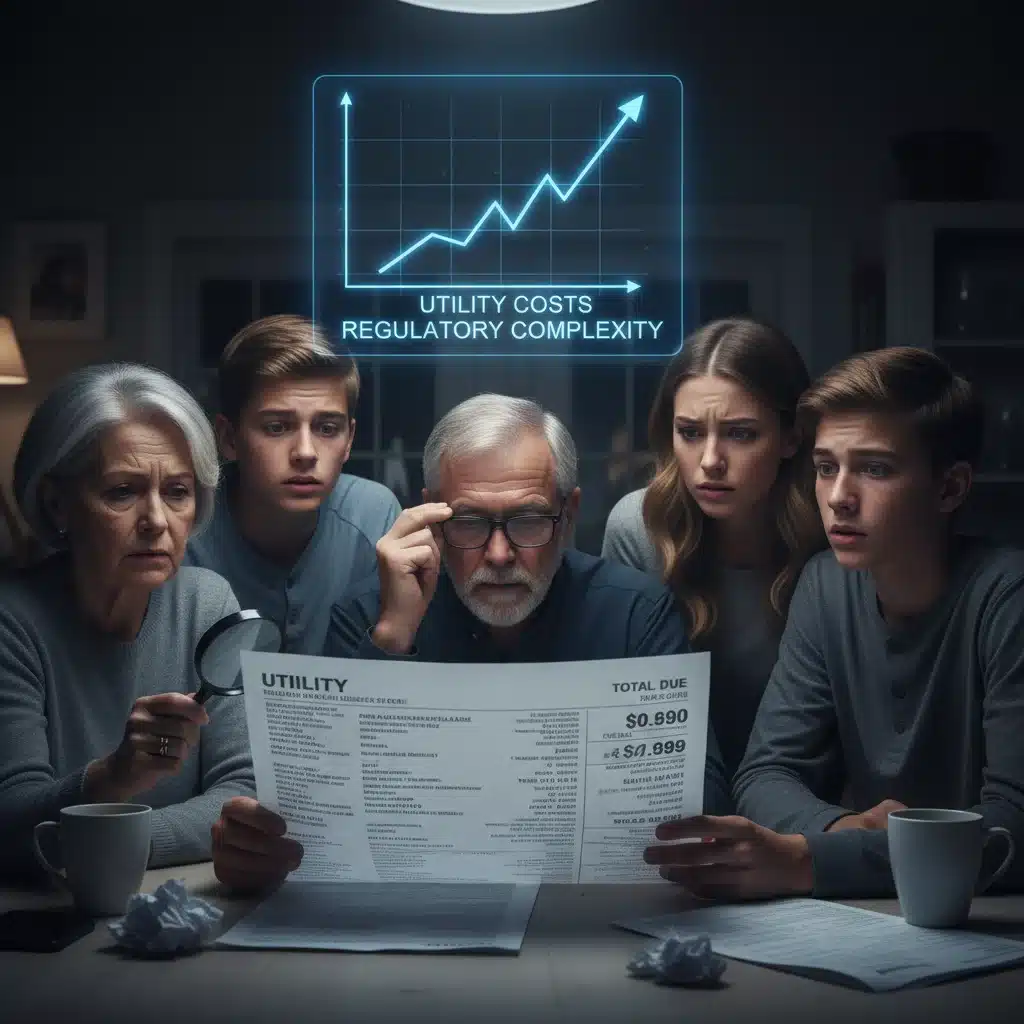
One of the perennial frustrations for utility customers is deciphering complex bills laden with obscure fees, surcharges, and confusing consumption metrics. The 2026 utility regulation changes are poised to address this head-on by mandating significantly increased transparency in billing and fee structures. The aim is to make utility bills easier to understand, allowing homeowners to clearly see what they are paying for, how their consumption is calculated, and the exact purpose of every charge.
These new regulations will likely require utilities to standardize their billing formats, use plain language to describe services and fees, and provide a clear breakdown of charges related to energy generation, transmission, distribution, and administrative costs. Hidden fees or ambiguously worded line items will become a thing of the past. Furthermore, there may be mandates for utilities to provide historical consumption data in an easily digestible format, enabling homeowners to track their usage trends and identify potential areas for conservation or cost savings.
The impact for homeowners will be immediate and beneficial. You will have a clearer picture of your monthly expenses, making it easier to budget and identify any discrepancies or overcharges. The ability to understand your bill without needing a degree in utility economics will empower you to challenge incorrect charges more effectively and make informed decisions about your service plans. These transparency measures are also expected to include clearer explanations of any rate increases, ensuring that consumers are fully aware of the reasons behind changes in their utility costs.
This push for transparency is also a response to the increasing complexity of utility services, especially with the introduction of time-of-use rates, demand charges, and various renewable energy surcharges. The regulations will likely require clear, upfront disclosure of all potential charges when a customer signs up for a service or changes their plan. Educational resources explaining common utility terms and billing components may also become a mandatory offering from providers. Ultimately, the goal is to foster a more trusting relationship between consumers and utility companies by eliminating ambiguity and promoting clarity in financial transactions. This could also lead to easier comparison shopping for services where competition is available, as consumers will have a clearer understanding of the true cost of each option.
4. New Standards for Renewable Energy Integration and Incentives
As the nation continues its pivot towards sustainable energy, the 2026 utility regulation changes will introduce new standards and incentives for renewable energy integration. These regulations are designed to accelerate the adoption of clean energy sources, such as solar and wind power, into the national grid, and to make it easier and more financially attractive for homeowners to participate in this transition. This could manifest in several ways, directly impacting your home’s energy consumption and potential for energy generation.
Expect to see updated net metering policies that could affect how homeowners with rooftop solar panels are credited for the excess electricity they feed back into the grid. While some states have scaled back net metering, new federal guidelines or state-level mandates in 2026 might introduce more favorable or standardized frameworks, ensuring fair compensation. Additionally, there could be new incentives for installing battery storage systems, electric vehicle charging infrastructure, and other smart home technologies that support grid stability and renewable energy utilization. These incentives might come in the form of tax credits, rebates, or preferential rates.
For homeowners, this means greater opportunities to reduce your carbon footprint and potentially lower your electricity bills through renewable energy adoption. The new regulations could streamline the process for connecting residential solar or other distributed energy resources to the grid, making it less bureaucratic and more accessible. Furthermore, utilities might be mandated to offer specific programs that encourage demand response, allowing homeowners to earn credits by reducing energy consumption during peak hours, thereby supporting grid reliability and the integration of intermittent renewable sources.
These changes are not just about environmental benefits; they are also about empowering consumers to become active participants in the energy market. By incentivizing renewable energy adoption and smart energy management, the regulations aim to create a more decentralized and resilient energy system. Homeowners who invest in these technologies could see significant long-term savings and increased energy independence. Furthermore, the regulations might also include provisions for community solar projects, allowing individuals who cannot install solar on their own homes to subscribe to a shared solar farm and receive credits on their utility bills. This broadens access to renewable energy benefits, making clean energy a more equitable option for all households, regardless of their property type or location. The overarching goal is to accelerate the transition to a cleaner energy future while ensuring grid stability and consumer participation.

5. Enhanced Protections Against Service Disconnection and Affordability Programs
Ensuring access to essential utility services, especially for vulnerable populations, is a critical aspect of consumer protection. The 2026 utility regulation changes are expected to introduce enhanced protections against service disconnection and expand affordability programs. These measures aim to prevent situations where homeowners lose access to vital services like electricity, water, or heat due to financial hardship, and to provide more robust support for those struggling to pay their bills.
New regulations may impose stricter conditions on when and how utilities can disconnect service, particularly during extreme weather conditions or for households with medical vulnerabilities. This could include longer notice periods before disconnection, mandatory offering of payment plans, and clearer guidelines for reconnection processes. Furthermore, there’s a strong push to expand and improve existing affordability programs, such as the Low Income Home Energy Assistance Program (LIHEAP), and potentially introduce new ones that cover a broader range of utility services, including water and broadband.
For homeowners facing financial difficulties, these changes offer a much-needed safety net. The enhanced protections mean fewer abrupt service cutoffs, providing more time and resources to resolve payment issues. Expanded affordability programs will make it easier to access financial assistance, reducing the burden of high utility costs. Utilities may also be mandated to conduct more proactive outreach to inform eligible customers about these programs, rather than relying solely on customers to seek them out.
These reforms reflect a growing recognition that access to utilities is a fundamental human right, not merely a commodity. The regulations will likely emphasize a compassionate approach to customer service, requiring utility companies to offer flexible payment options and work with customers to prevent disconnections. There may also be provisions for independent review of disconnection decisions, providing an avenue for appeal for consumers who believe they have been unfairly targeted. The goal is to create a more equitable system where essential services remain accessible to all, fostering community resilience and reducing the stress associated with managing household utility expenses. This comprehensive approach aims to safeguard the well-being of all citizens by ensuring basic necessities are not compromised due to economic circumstances.
Preparing Your Home for the 2026 Utility Regulation Changes
Navigating the upcoming utility regulation changes in 2026 requires proactive engagement and informed decision-making. As these new rules take effect, homeowners have a unique opportunity to optimize their utility consumption, protect their data, and ensure they are receiving the best possible service. Here’s how you can prepare and what steps you should consider taking to adapt to the evolving utility landscape.
Stay Informed and Engaged
The first and most crucial step is to stay informed. Regularly check your utility provider’s website, look for official communications regarding regulatory updates, and follow reputable consumer advocacy groups. Many state public utility commissions (PUCs) or equivalent regulatory bodies also provide public notices and educational materials on upcoming changes. Understanding the specifics of how these regulations apply in your state and locality is vital, as some federal mandates may have state-specific implementations or additional state-level regulations.
Review Your Utility Bills and Contracts
With increased transparency mandates, take the time to thoroughly review your utility bills. Familiarize yourself with every line item, charge, and fee. If anything is unclear, contact your utility provider for clarification. Likewise, review your current service contracts, especially if you have bundled services or special rates. Understanding your existing agreements will help you identify how the new regulations might impact them and if new, more favorable options become available.
Assess Your Data Privacy Preferences
As enhanced data privacy protections come into play, be prepared to review and update your consent preferences with utility providers. Understand what data is being collected, how it’s used, and who it’s shared with. Don’t hesitate to exercise your right to limit data sharing if you’re uncomfortable with certain practices. Consider setting up alerts or notifications if your utility offers them, to stay on top of any changes to their data policies.
Explore Energy Efficiency and Renewable Options
The new incentives for renewable energy and energy efficiency present a compelling opportunity. Research local and federal programs for solar panel installation, battery storage, smart thermostats, and energy-efficient appliance upgrades. Evaluate if these investments make financial sense for your household, considering potential rebates, tax credits, and long-term savings on utility bills. Participating in demand response programs, if available, can also offer financial benefits while contributing to grid stability.
Understand Your Rights as a Consumer
Familiarize yourself with the enhanced consumer protections regarding service reliability, outage response, and disconnections. Know your rights in case of prolonged outages, billing disputes, or financial hardship. Keep contact information for your utility’s customer service and, if necessary, your state’s public utility commission or consumer protection agency readily available. Being aware of your recourse options empowers you to advocate for yourself effectively.
Budget for Potential Cost Adjustments
While some changes aim to reduce costs or offer incentives, large-scale infrastructure upgrades (for reliability or renewable integration) can sometimes lead to rate adjustments. Keep an eye on public hearings or notices regarding proposed rate changes from your utility. Budgeting proactively for potential slight increases can help mitigate any financial surprises. Conversely, be prepared to take advantage of new savings opportunities that arise from these regulations.
The 2026 utility regulation changes represent a significant evolution in how essential services are delivered and managed. By staying informed, proactive, and engaged, homeowners can not only navigate these changes seamlessly but also leverage them to their advantage, ensuring a more reliable, transparent, and sustainable utility future for their homes.