Broadband as an Essential Service: U.S. Initiatives Expanding Access and Reliability by Mid-2026
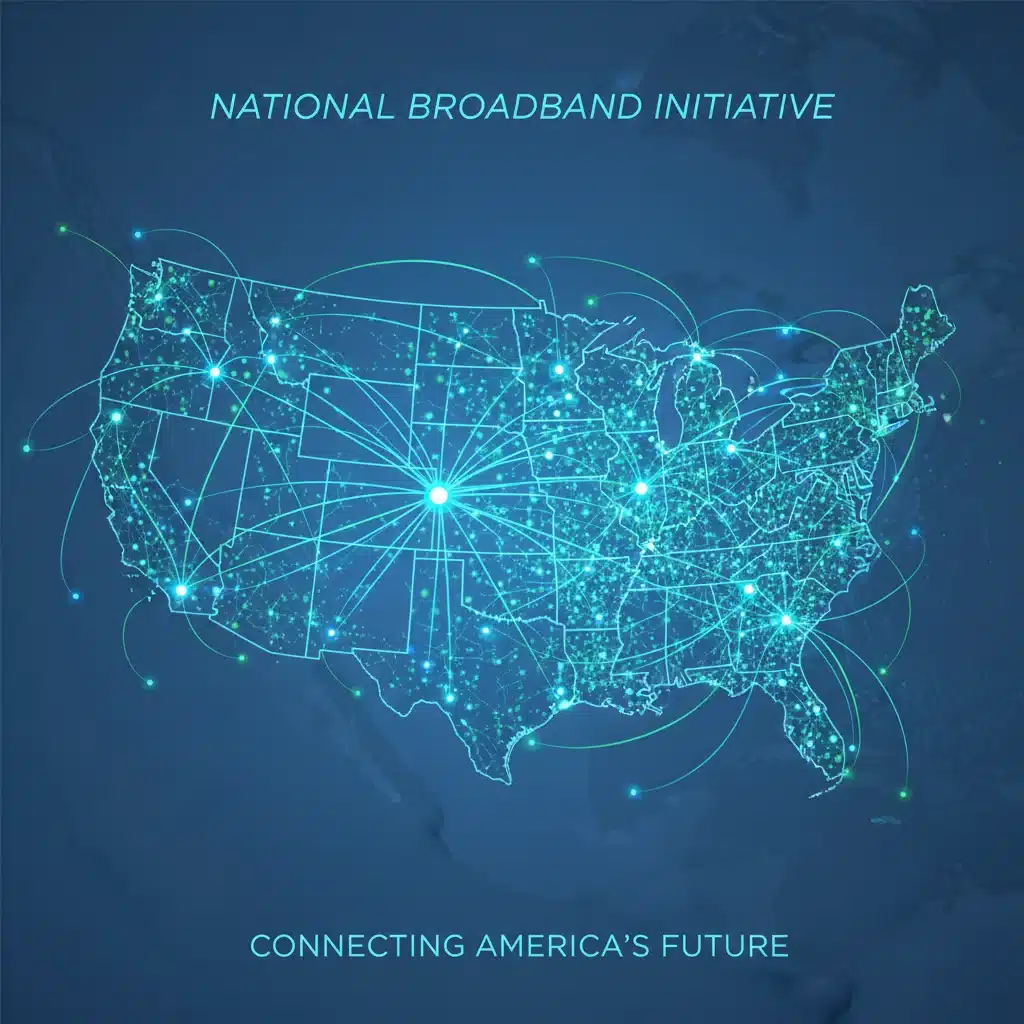
Broadband as an Essential Service: 6 Ways New U.S. Initiatives are Expanding Access and Improving Reliability by Mid-2026
In an increasingly interconnected world, access to reliable and affordable internet is no longer a luxury but a fundamental necessity. The United States has officially recognized broadband as an essential service, akin to electricity and water, prompting a nationwide push to ensure every American has robust connectivity. This monumental shift is driven by a series of ambitious federal and state initiatives designed to close the digital divide, enhance infrastructure, and foster digital equity. By mid-2026, these programs are projected to dramatically expand access and improve the reliability of internet services across the country, transforming lives and economies.
The COVID-19 pandemic starkly illuminated the critical role of internet access for education, work, healthcare, and social connection. Millions found themselves isolated and disadvantaged due to inadequate or non-existent broadband. In response, the U.S. government has allocated unprecedented funding and established strategic frameworks to address these disparities head-on. This article delves into six pivotal U.S. initiatives that are at the forefront of this transformation, detailing their objectives, mechanisms, and expected impact by the ambitious mid-2026 deadline. Understanding these efforts is crucial for grasping the future landscape of digital connectivity in America.
1. The Broadband Equity, Access, and Deployment (BEAD) Program: Bridging the Digital Divide
At the heart of the U.S. strategy to establish broadband as an essential service lies the Broadband Equity, Access, and Deployment (BEAD) Program, a cornerstone initiative funded by the Bipartisan Infrastructure Law. With an allocation of $42.45 billion, BEAD is the largest broadband infrastructure investment in U.S. history. Its primary goal is to ensure that all Americans have access to high-speed internet, focusing particularly on unserved and underserved areas. These are typically rural communities, tribal lands, and low-income urban neighborhoods where existing infrastructure is either non-existent, unreliable, or unaffordable.
BEAD operates by providing grants to states, territories, and tribal entities, which then develop their own plans to expand broadband infrastructure. A crucial aspect of the program is its emphasis on future-proof infrastructure, meaning it prioritizes fiber optic deployment wherever feasible, ensuring speeds of at least 100/20 Mbps (download/upload) and ideally symmetrical gigabit speeds. This forward-looking approach is vital for supporting emerging technologies and future data demands, solidifying the idea of broadband as an essential service for decades to come.
The implementation of BEAD involves a rigorous process. States are required to submit five-year action plans outlining how they intend to use the funds, including detailed maps of unserved and underserved locations. These plans undergo review by the National Telecommunications and Information Administration (NTIA) to ensure they align with federal objectives and promote equitable access. A significant feature of BEAD is its focus on competition and affordability. States are encouraged to promote competition among internet service providers (ISPs) and ensure that funded projects offer affordable service options to consumers, often requiring participation in programs like the Affordable Connectivity Program (ACP).
By mid-2026, the BEAD program aims to have construction underway in a substantial number of these identified areas, with many projects nearing completion. This will translate into millions of new households and businesses gaining access to reliable, high-speed internet for the first time. The program’s success will not only be measured by the miles of fiber laid but also by the tangible impact on communities – enabling remote learning, facilitating telehealth services, empowering small businesses, and enhancing civic engagement. This massive undertaking underscores the federal government’s commitment to making broadband as an essential service a reality for every American, regardless of their geographic location or socioeconomic status.
2. The Affordable Connectivity Program (ACP): Ensuring Affordability and Equity
While infrastructure expansion is paramount, simply building out networks does not guarantee access if the service remains unaffordable. This is where the Affordable Connectivity Program (ACP) steps in, serving as a critical companion to infrastructure initiatives in solidifying broadband as an essential service. The ACP, also funded by the Bipartisan Infrastructure Law, provides eligible low-income households with a discount of up to $30 per month (or up to $75 per month for households on qualifying Tribal lands) on their internet bill, along with a one-time discount of up to $100 for a laptop, desktop computer, or tablet. This program directly tackles the affordability barrier, which is often cited as a primary reason for lack of internet adoption even when infrastructure is available.
The eligibility criteria for the ACP are broad, encompassing households participating in various federal assistance programs such as SNAP, Medicaid, Federal Public Housing Assistance, SSI, WIC, or the Lifeline program. Eligibility also extends to households with incomes at or below 200% of the federal poverty guidelines, or those receiving benefits under the free and reduced-price school lunch or breakfast programs. This wide net ensures that a significant portion of the population facing economic hardship can benefit from subsidized internet access, reinforcing the principle that broadband as an essential service must be accessible to all, not just those who can afford premium prices.
The ACP has seen remarkable enrollment since its inception, demonstrating the immense need for such a program. Millions of households have already signed up, allowing them to connect to educational resources, job opportunities, healthcare portals, and maintain social connections. Internet Service Providers (ISPs) play a crucial role in the ACP, as they are reimbursed by the federal government for the discounts they provide. This incentivizes ISPs to participate and offer affordable plans that maximize the benefit of the ACP discount, sometimes even offering plans that are entirely free for eligible households.
By mid-2026, the ACP aims to continue its widespread impact, ensuring that the newly built infrastructure funded by programs like BEAD does not sit unused due to cost. The program is vital for achieving true digital equity, preventing a scenario where advanced infrastructure benefits only a segment of the population. The continued success and funding of the ACP are critical for the long-term vision of broadband as an essential service, ensuring that affordability remains a core component of universal access. It empowers individuals and families to fully participate in the digital economy and society, unlocking opportunities that were previously out of reach.
3. State Broadband Offices and Initiatives: Tailored Local Solutions
While federal programs provide the overarching framework and significant funding, the success of making broadband as an essential service a reality hinges on the efforts of state broadband offices and their localized initiatives. Recognizing the unique geographic, demographic, and economic challenges within their borders, states have established dedicated offices to plan, coordinate, and execute broadband deployment strategies. These offices are instrumental in translating federal mandates and funding into actionable projects that address specific local needs.
State broadband offices are responsible for a multitude of tasks, including conducting detailed mapping of existing broadband infrastructure and identifying unserved and underserved areas within their state. This granular data collection is crucial for directing federal and state funds to where they are most needed. They also serve as the primary point of contact for local governments, community organizations, and internet service providers, fostering collaboration and ensuring that projects are community-driven and sustainable. Many states have also enacted their own legislation and allocated state-level funding to complement federal efforts, demonstrating a strong commitment to establishing broadband as an essential service.
For example, some states have created grant programs for local municipalities or non-profit organizations to build and operate their own community broadband networks, particularly in areas where traditional ISPs have been reluctant to invest. Others have focused on innovative public-private partnerships, leveraging the expertise and resources of both sectors to accelerate deployment. These state-specific approaches often include provisions for digital literacy training, device distribution, and technical assistance, recognizing that infrastructure alone is not enough to bridge the digital divide.
By mid-2026, the cumulative impact of these state-led efforts will be significant. With federal BEAD funds flowing through these state offices, we expect to see a surge in construction projects, particularly in hard-to-reach rural areas. The localized knowledge and tailored strategies employed by state broadband offices will ensure that investments are made efficiently and effectively, leading to a more resilient and equitable national broadband landscape. Their role is indispensable in translating the national vision of broadband as an essential service into tangible improvements for residents in every corner of the country.
4. Digital Equity Act Programs: Fostering Skills and Access for All
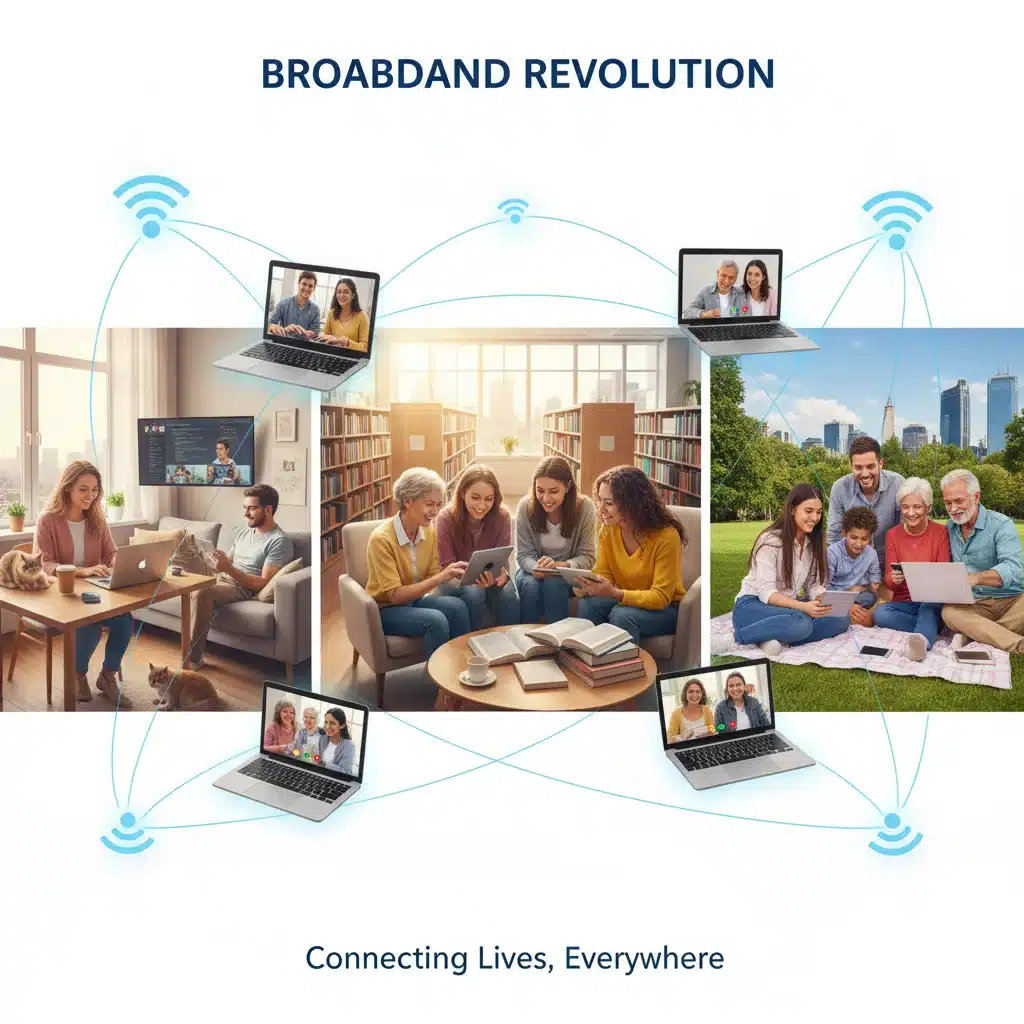
Beyond physical infrastructure and affordability, the U.S. strategy for broadband as an essential service also addresses the critical component of digital equity. The Digital Equity Act, also part of the Bipartisan Infrastructure Law, allocates $2.75 billion to ensure that all individuals and communities have the skills, technology, and access needed to thrive in a digital society. This program recognizes that simply having an internet connection is not enough; people must also know how to use it effectively and have access to appropriate devices.
The Digital Equity Act is structured around three key programs: the State Digital Equity Planning Grant Program, the State Digital Equity Capacity Grant Program, and the Digital Equity Competitive Grant Program. The planning grants enabled states to develop comprehensive digital equity plans, identifying barriers to access and outlining strategies to overcome them. The capacity grants provide ongoing funding to states to implement these plans, focusing on populations that are disproportionately unserved, underserved, or otherwise lack the skills and resources to participate fully in the digital world. These populations include low-income individuals, racial and ethnic minorities, rural residents, veterans, individuals with disabilities, and aging populations.
The types of initiatives supported by the Digital Equity Act are diverse and impactful. They include digital literacy training programs, often offered through libraries, community centers, and non-profits, which teach essential computer and internet skills. The programs also support efforts to provide affordable internet-enabled devices, such as refurbished laptops or tablets, to those who cannot afford them. Furthermore, they fund initiatives that promote online safety, cybersecurity awareness, and the development of culturally relevant digital content, ensuring that the internet is a safe and beneficial space for everyone.
By mid-2026, the Digital Equity Act programs are expected to significantly enhance the digital skills and confidence of millions of Americans, complementing the infrastructure build-out and affordability initiatives. This holistic approach is crucial for realizing the full potential of broadband as an essential service. Without digital literacy and access to devices, even the fastest and most affordable internet connection can remain an underutilized resource. These programs are building a foundation for sustainable digital inclusion, ensuring that the benefits of a connected society are accessible to all, not just a privileged few.
5. ReConnect Program: Expanding Rural Broadband Infrastructure
The U.S. Department of Agriculture (USDA) ReConnect Program plays a vital role in the broader effort to establish broadband as an essential service, specifically targeting the unique challenges of rural America. Since its inception, ReConnect has provided loans, grants, and loan/grant combinations to build and improve broadband infrastructure in rural areas that lack sufficient access to high-speed internet. This program is particularly crucial because traditional private sector investment often bypasses sparsely populated regions due to the high cost per subscriber.
ReConnect focuses on areas where at least 90% of households lack access to service at speeds of 100/20 Mbps. The program prioritizes projects that offer symmetrical speeds and demonstrate a strong commitment to serving the entire proposed service area, including the most remote locations. Unlike some other programs, ReConnect has a long-standing track record of successful deployments, having funded numerous projects that have brought fiber-to-the-home (FTTH) connectivity to hundreds of thousands of rural residents and businesses. Its continuous funding rounds ensure a steady stream of investment into these critical areas.
The application process for ReConnect is highly competitive, requiring applicants – typically local governments, tribal governments, non-profits, and small private companies – to submit detailed proposals outlining their technical, financial, and operational capabilities. The program emphasizes sustainable business models and community engagement, ensuring that the infrastructure built is not only robust but also meets the long-term needs of the communities it serves. This rigorous approach helps to ensure that public funds are used effectively to deliver high-quality, reliable internet.
By mid-2026, the ReConnect Program is expected to have further expanded its reach, connecting tens of thousands more rural households and businesses to high-speed internet. These connections are transformative for rural economies, enabling precision agriculture, fostering entrepreneurship, and providing access to remote education and telehealth services. The program’s continued success is indispensable for bridging the rural-urban digital divide and solidifying the principle of broadband as an essential service for all Americans, regardless of how far they live from major urban centers.

6. NTIA’s Middle Mile Grant Program: Strengthening Backbone Infrastructure
For broadband as an essential service to be truly effective, robust ‘middle mile’ infrastructure is just as important as the ‘last mile’ connections to homes and businesses. The Middle Mile Grant Program, administered by the National Telecommunications and Information Administration (NTIA), addresses this crucial link in the broadband ecosystem. With an allocation of $1 billion from the Bipartisan Infrastructure Law, this program focuses on building out the high-capacity fiber optic cables that connect local networks to the broader internet backbone. Think of it as the interstate highway system for data.
Middle mile infrastructure is critical for several reasons. Firstly, it reduces the cost of extending last-mile service, especially in rural and underserved areas. By bringing high-capacity fiber closer to communities, it becomes more economically viable for ISPs to connect individual homes and businesses. Secondly, it enhances network resiliency and redundancy, ensuring that internet service remains stable even if one part of the network experiences an outage. Thirdly, robust middle mile infrastructure promotes competition among ISPs by creating more options for connecting to the broader internet, which can lead to lower prices and better service for consumers.
The Middle Mile Grant Program supports a wide range of eligible entities, including states, tribal governments, local governments, non-profits, and public-private partnerships. Projects typically involve the deployment of new fiber optic lines, but can also include upgrades to existing infrastructure to increase capacity and speed. The program prioritizes projects that serve unserved and underserved areas, promote affordability, and demonstrate a clear plan for future last-mile connectivity. It also encourages open-access networks, where multiple ISPs can utilize the same middle mile infrastructure, further fostering competition.
By mid-2026, the investments made through the Middle Mile Grant Program are expected to have significantly strengthened the national broadband backbone, particularly in regions that currently lack robust connectivity. This will create a ripple effect, making it easier and more cost-effective for last-mile providers to extend service to previously unserved communities. The program is an indispensable piece of the puzzle, ensuring that the vision of broadband as an essential service is supported by a resilient, high-capacity network that can meet the growing demands of a digitally dependent society. It lays the groundwork for future innovation and economic growth across the country.
The Collective Impact: A Connected Future by Mid-2026 and Beyond
The six initiatives detailed above – BEAD, ACP, State Broadband Offices, Digital Equity Act Programs, ReConnect, and the Middle Mile Grant Program – represent a comprehensive and multi-faceted approach to establishing broadband as an essential service across the United States. Each program addresses a distinct but interconnected aspect of the digital divide: infrastructure deployment, affordability, local implementation, digital literacy, rural connectivity, and backbone network enhancement. Together, they form a powerful strategy designed to ensure universal, reliable, and equitable internet access for all Americans.
The ambitious timeline of mid-2026 for significant progress is not merely an arbitrary deadline but a strategic goal to rapidly accelerate the transformation of the nation’s digital landscape. By this point, millions of unserved and underserved locations are expected to have new or upgraded broadband infrastructure. The impact will be felt across all sectors: students will have consistent access to online learning resources, remote workers will experience seamless connectivity, small businesses will expand their market reach, and healthcare providers will deliver vital telemedicine services more effectively. The reliability of internet services will improve significantly, reducing frustrating outages and slow speeds that hinder productivity and access to critical information.
Furthermore, the emphasis on digital equity and affordability embedded within these initiatives means that the benefits of this expanded connectivity will not be limited to those who can traditionally afford it. Programs like the ACP and the Digital Equity Act are working in tandem with infrastructure projects to ensure that once the networks are built, people have the means and the skills to utilize them effectively. This holistic approach is crucial for fostering true digital inclusion and preventing new forms of disparity from emerging.
The recognition of broadband as an essential service marks a pivotal moment in U.S. policy. It acknowledges that in the 21st century, internet access is fundamental to economic opportunity, social mobility, and civic participation. While challenges remain, including supply chain issues, workforce shortages, and the complexities of coordinating efforts across various levels of government and private entities, the momentum and funding behind these initiatives are unprecedented. The collaborative efforts of federal agencies, state governments, local communities, and private sector partners are laying the groundwork for a future where every American can fully participate in the digital world, enjoying the benefits of high-speed, reliable, and affordable internet.
By mid-2026, the landscape of U.S. connectivity will be irrevocably changed for the better, moving closer to the ideal of universal access and solidifying broadband as an essential service for every citizen. This transformation will empower individuals, strengthen communities, and drive national progress in an increasingly digital age.