Waste Management Evolution: 4 Key U.S. Essential Service Trends Shaping Sustainable Practices This Year
Waste Management Evolution: 4 Key U.S. Essential Service Trends Shaping Sustainable Practices This Year
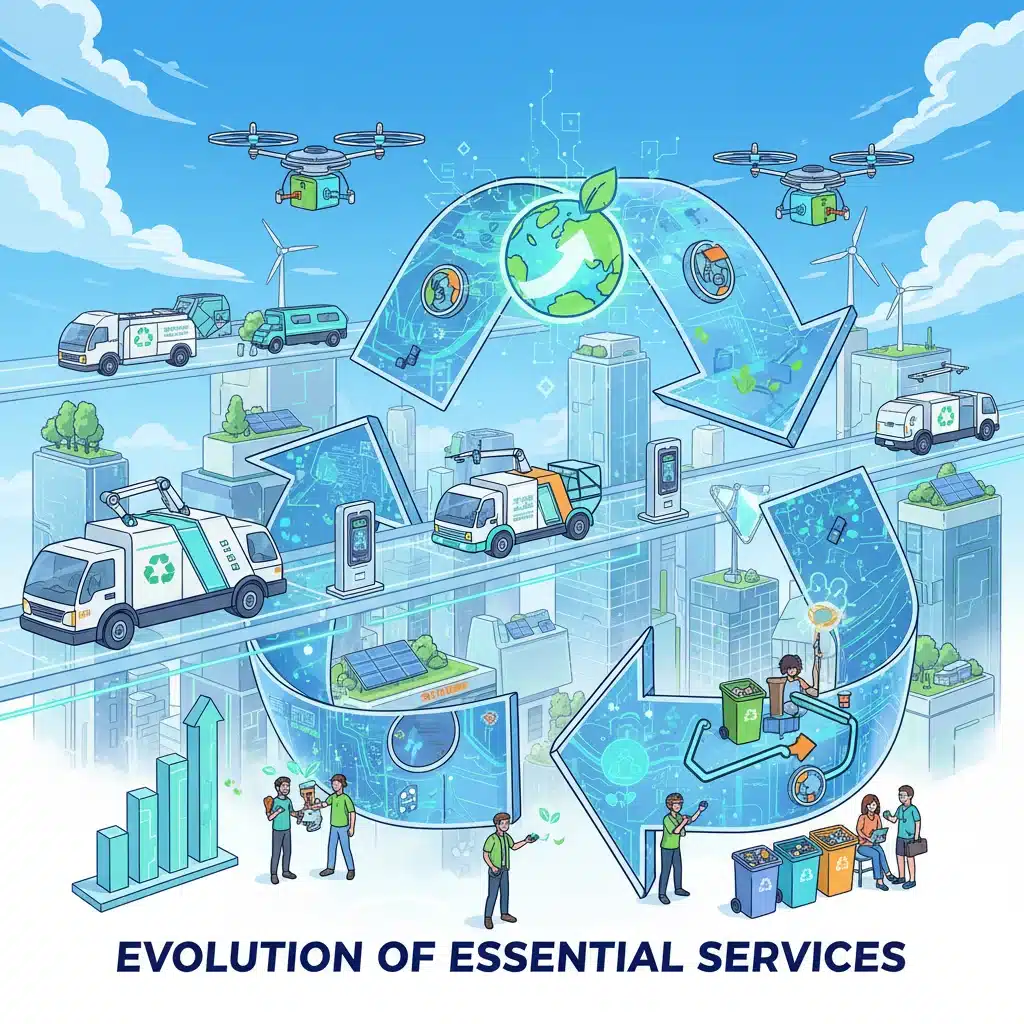
The landscape of waste management in the United States is undergoing a profound transformation. What was once a straightforward process of collection and disposal has evolved into a complex, multi-faceted essential service driven by innovation, environmental consciousness, and economic realities. This year, four significant waste management trends are particularly prominent, shaping how communities, businesses, and governments approach waste, influencing everything from local recycling programs to national sustainability goals. Understanding these trends is crucial for anyone involved in or impacted by waste services, offering insights into the future of resource management and environmental protection.
For decades, the primary focus of waste management was simply to remove waste from sight. Landfills grew, and incineration facilities processed what couldn’t be buried. However, increasing environmental awareness, coupled with the finite nature of resources and growing populations, has necessitated a paradigm shift. Today’s approach is far more holistic, aiming not just to manage waste but to prevent it, recover valuable resources, and minimize ecological footprints. The United States, a major contributor to global waste generation, is at a pivotal point, with these emerging waste management trends dictating the pace and direction of change. From advanced technological integrations to shifts in consumer behavior and policy frameworks, the evolution is rapid and relentless.
This article delves into the four most impactful waste management trends currently reshaping essential services across the U.S. We’ll explore how these trends are fostering greater sustainability, driving technological adoption, and redefining the relationship between waste and value. By examining these key shifts, we can better understand the challenges and opportunities that lie ahead in our collective journey towards a more sustainable future.
1. The Ascendance of the Circular Economy Model
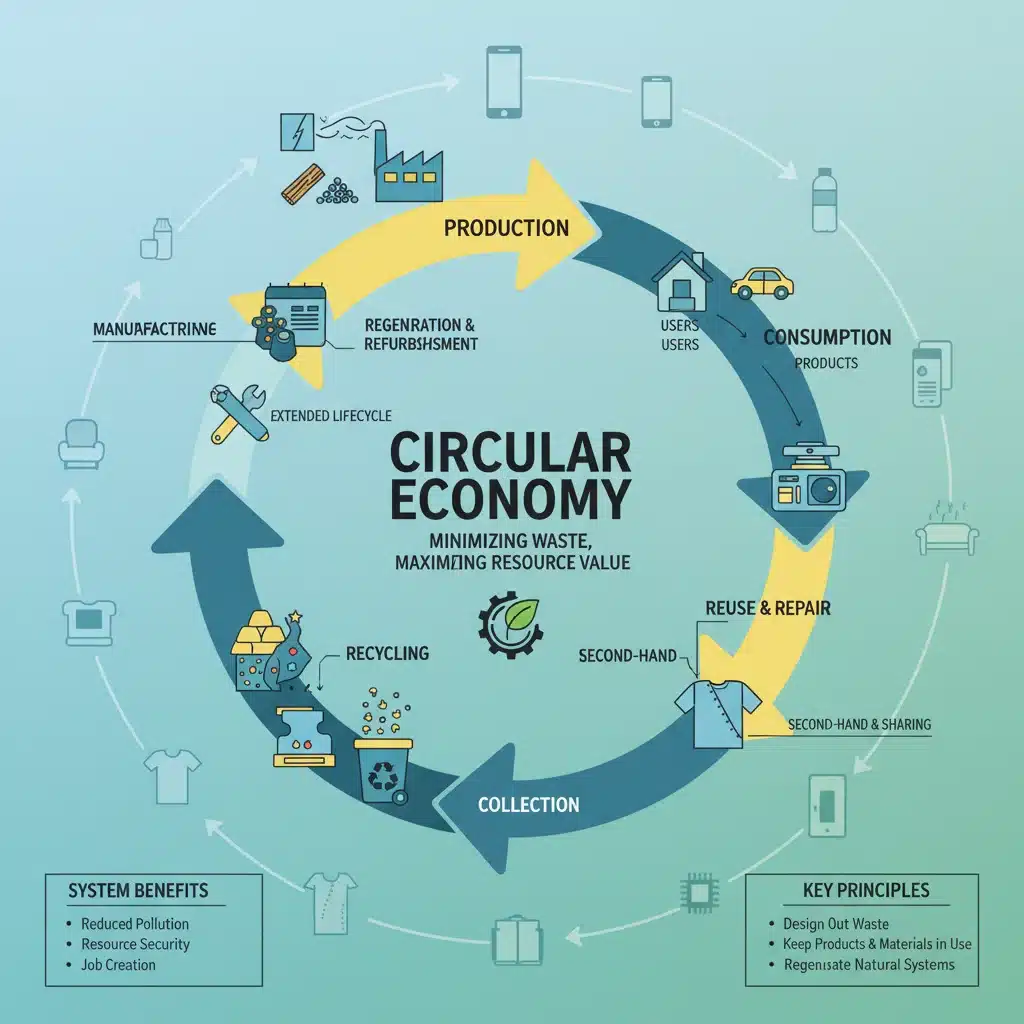
One of the most transformative waste management trends is the accelerating adoption of the circular economy model. Traditionally, our economic system has operated on a linear ‘take-make-dispose’ model, where products are manufactured, used, and then discarded as waste. This approach is inherently unsustainable, leading to resource depletion, pollution, and excessive landfill burden. The circular economy, in stark contrast, aims to keep resources in use for as long as possible, extract the maximum value from them whilst in use, then recover and regenerate products and materials at the end of each service life. It’s a fundamental rethinking of how we design, produce, and consume goods.
In the context of U.S. waste management, the circular economy manifests in several ways. Firstly, there’s an increased emphasis on reducing consumption and waste generation at the source. This includes designing products for durability, repairability, and recyclability. Companies are being encouraged, and in some cases mandated, to take greater responsibility for the entire lifecycle of their products, moving towards extended producer responsibility (EPR) schemes. For instance, manufacturers might be responsible for collecting and recycling their electronic waste or packaging materials, shifting the burden from municipalities to producers.
Secondly, the circular economy promotes robust systems for reuse, repair, and refurbishment. Instead of discarding items, consumers and businesses are increasingly looking for ways to extend their useful life. Repair cafes, second-hand markets, and product-as-a-service models are gaining traction. This not only reduces waste but also creates new economic opportunities and jobs within local communities. Think of refurbished electronics, remanufactured auto parts, or even refillable packaging systems in grocery stores – these are all tangible examples of the circular economy in action within the waste management sector.
Finally, when products genuinely reach their end-of-life, the circular economy emphasizes high-quality recycling and material recovery. This goes beyond traditional curbside recycling to include advanced sorting technologies and chemical recycling methods that can transform complex waste streams into valuable raw materials for new products. This commitment to maximizing material value is a cornerstone of current waste management trends, moving us away from simply burying or burning waste towards seeing it as a resource to be cultivated.
The shift towards a circular economy is not just an environmental imperative; it’s an economic opportunity. By reducing reliance on virgin resources and creating closed-loop systems, the U.S. can enhance resource security, stimulate innovation, and create green jobs. This overarching trend is influencing policy decisions, corporate strategies, and consumer choices, making it a pivotal force in the evolution of waste management services.
2. Technological Advancements in Waste Collection and Processing
Technology is a powerful enabler of progress, and its impact on waste management is undeniable. The second major among the current waste management trends involves significant technological advancements in how waste is collected, sorted, and processed. These innovations are leading to greater efficiency, reduced operational costs, and improved environmental outcomes across the essential service sector.
Smart Waste Collection Systems
One of the most visible technological shifts is the rise of smart waste collection systems. Traditional waste collection often operates on fixed schedules, regardless of how full bins actually are. This can lead to inefficient routes, unnecessary fuel consumption, and overflowing bins. Smart systems, however, utilize sensors installed in waste bins that monitor fill levels in real-time. This data is then transmitted to a central platform, allowing waste management companies to optimize collection routes dynamically.
The benefits are substantial: reduced fuel consumption and emissions, lower labor costs, fewer traffic disruptions, and improved public sanitation. Cities are implementing these systems to enhance urban living and make their waste management services more responsive and sustainable. This data-driven approach is revolutionizing the logistics of waste, turning what was once a reactive service into a proactive and intelligent operation. The integration of IoT (Internet of Things) devices is a key component of these evolving waste management trends.
Advanced Sorting and Recycling Technologies
Beyond collection, technology is transforming the recycling process itself. Traditional material recovery facilities (MRFs) relied heavily on manual sorting and basic mechanical processes. While effective to a degree, they often struggled with contamination and the efficient separation of mixed materials. Modern MRFs are increasingly incorporating advanced technologies such as optical sorters, robotics, and artificial intelligence (AI).
- Optical Sorters: These machines use near-infrared (NIR) technology to identify different types of plastics, papers, and other materials based on their chemical composition, then use air jets to separate them at high speeds. This significantly improves the purity of recycled streams.
- Robotics: Robotic arms, guided by AI and machine vision, are becoming adept at picking out specific items from a conveyor belt, handling tasks that are repetitive, hazardous, or too fast for human operators. They can identify and sort a wider range of materials, including complex packaging.
- Artificial Intelligence (AI) and Machine Learning (ML): AI algorithms are used to optimize sorting processes, predict equipment maintenance needs, and even analyze waste composition data to identify areas for improvement in waste generation patterns.
These technologies are making recycling more efficient, cost-effective, and capable of handling increasingly complex waste streams. They are vital for achieving the high-quality material recovery necessary for a successful circular economy, directly addressing the core challenges of current waste management trends.
Waste-to-Energy and Biorefineries
Another technological frontier in waste management is the advancement of waste-to-energy (WtE) technologies and the development of biorefineries. While not without their environmental considerations, modern WtE plants are far more efficient and cleaner than their predecessors, converting non-recyclable waste into electricity or heat. This diverts waste from landfills and provides a renewable energy source.
Biorefineries take this a step further, processing organic waste (food waste, agricultural residues) into valuable products like biofuels, biochemicals, and fertilizers through anaerobic digestion or other biochemical conversion processes. These innovations represent a crucial aspect of sustainable waste management trends, turning waste from a liability into a valuable resource.
3. Policy and Regulatory Shifts Driving Sustainability
No discussion of waste management trends would be complete without acknowledging the critical role of policy and regulation. Government policies, at federal, state, and local levels, are powerful drivers of change, setting standards, providing incentives, and enforcing compliance that shapes the entire waste management ecosystem. This year, we are seeing significant legislative and regulatory shifts aimed at accelerating sustainability goals.
Extended Producer Responsibility (EPR) Expansion
As mentioned earlier, Extended Producer Responsibility (EPR) schemes are gaining significant traction in the U.S. EPR policies shift the financial and/or physical responsibility for managing end-of-life products from local governments and taxpayers to the producers of those products. This incentivizes manufacturers to design products that are more durable, reusable, and recyclable, as they bear the cost of managing them post-consumer.
States like Oregon and Maine have already passed comprehensive EPR laws for packaging, and many other states are considering similar legislation. These policies are a game-changer for waste management trends, as they compel industries to innovate in product design and material selection, ultimately reducing the burden on municipal waste systems and fostering a more circular economy. The expansion of EPR is a clear signal that the responsibility for waste is being shared more equitably across the supply chain.
Plastic Reduction and Single-Use Bans
The pervasive issue of plastic pollution has led to a wave of policy changes targeting single-use plastics. Numerous cities and states have implemented bans or restrictions on items like plastic bags, straws, and polystyrene containers. While these policies often face initial resistance, they are effective in reducing the volume of difficult-to-recycle plastics entering the waste stream and the environment.
These bans are part of a broader effort to encourage reusable alternatives and foster a culture of conscious consumption. They directly impact waste management trends by reducing the amount of waste that needs to be collected and processed, allowing resources to be focused on more complex waste streams. Beyond bans, some policies are exploring minimum recycled content mandates for new products, further stimulating demand for recycled materials.
Investment in Recycling Infrastructure
Recognizing the need to improve recycling rates and capabilities, federal and state governments are increasing investment in recycling infrastructure. The Bipartisan Infrastructure Law, for example, includes significant funding for recycling education, infrastructure improvements, and market development for recycled materials. This funding is crucial for upgrading outdated facilities, deploying advanced sorting technologies, and building new capacity to process materials that were previously difficult to recycle.
These investments are directly addressing one of the biggest challenges in U.S. waste management: the lack of robust, modern infrastructure. By providing financial support, policies are helping to bridge the gap between current capabilities and the ambitious recycling and sustainability goals being set. This focus on infrastructure development is a vital component of forward-looking waste management trends.
4. Increased Focus on Organics Management and Composting
The final, but by no means least important, of the major waste management trends is the growing emphasis on organics management, particularly food waste and yard waste. Organic materials constitute a significant portion of the municipal solid waste stream, often accounting for 30-40% of what ends up in landfills. When organic waste decomposes in landfills, it produces methane, a potent greenhouse gas that contributes significantly to climate change. Diverting organics from landfills is therefore a critical strategy for reducing emissions and creating valuable resources.
Food Waste Diversion Programs
Food waste is a particularly challenging component of the organic waste stream. It represents wasted resources (water, energy, labor used to produce it) and contributes to food insecurity when edible food is discarded. Many U.S. cities and states are implementing or expanding food waste diversion programs, which can include:
- Curbside Organics Collection: Similar to recycling, residents can separate food scraps and yard waste for dedicated collection.
- Commercial Food Waste Mandates: Businesses, especially large generators like restaurants, grocery stores, and institutions, are increasingly required to divert their food waste from landfills to composting or anaerobic digestion facilities.
- Community Composting Initiatives: Local programs and drop-off sites make it easier for residents to compost their food scraps, even if curbside collection isn’t available.
These programs are not just about reducing landfill waste; they are about recognizing the value of organic materials as a resource. Diverting food waste to composting facilities creates nutrient-rich soil amendments that can improve soil health, reduce the need for synthetic fertilizers, and enhance agricultural productivity. This shift is a key driver among current waste management trends, moving towards a more regenerative approach to resource management.

Advancements in Composting and Anaerobic Digestion
To support the increased diversion of organic waste, there have been significant advancements in composting and anaerobic digestion technologies. Traditional composting can be slow and space-intensive, but modern industrial composting facilities utilize advanced aeration systems, temperature control, and mechanical turning to accelerate the process and produce high-quality compost.
Anaerobic digestion (AD) facilities offer another powerful solution. In an AD system, organic materials are broken down by microorganisms in the absence of oxygen, producing biogas (a renewable energy source primarily composed of methane) and a nutrient-rich digestate that can be used as fertilizer. AD facilities are particularly effective for processing wet organic waste like food scraps and wastewater sludge, offering both waste diversion and renewable energy generation benefits. These technological improvements are making organics management more scalable and economically viable, cementing its place as one of the most impactful waste management trends.
Soil Health and Carbon Sequestration Benefits
Beyond waste diversion, managing organics through composting and AD offers significant environmental benefits, particularly for soil health and carbon sequestration. Applying compost to agricultural lands and gardens improves soil structure, water retention, and microbial diversity. Healthy soils are more resilient to drought and erosion, and they play a crucial role in sequestering carbon from the atmosphere, helping to mitigate climate change. This holistic view of organics management, from waste to valuable soil amendment, underscores the deep integration of sustainability into modern waste management trends.
The Interconnected Future of Waste Management
These four waste management trends – the circular economy, technological advancements, policy shifts, and organics management – are not isolated phenomena. Instead, they are deeply interconnected, each influencing and reinforcing the others. The push for a circular economy, for instance, necessitates better recycling technologies and supportive policies like EPR. Similarly, smart collection systems make organics diversion more efficient, and robust composting infrastructure is essential for effective food waste programs.
The U.S. waste management sector is at a critical juncture. The days of simply ‘throwing things away’ are rapidly drawing to a close. The essential services provided by waste management companies are transforming into sophisticated resource recovery operations, driven by a commitment to sustainability, efficiency, and environmental stewardship. This evolution requires continuous innovation, collaboration between public and private sectors, and active participation from every individual and business.
Looking ahead, we can anticipate further integration of these trends. Data analytics will become even more central to optimizing waste flows and identifying new resource recovery opportunities. Policy will continue to evolve, pushing for higher standards and greater accountability across the product lifecycle. New materials science will unlock possibilities for more easily recyclable or compostable products, further closing the loop envisioned by the circular economy.
Embracing these waste management trends is not merely an option; it’s an imperative for building a resilient, sustainable, and resource-efficient future for the United States. The journey is complex, but the direction is clear: towards a world where waste is minimized, resources are maximized, and our essential services actively contribute to a healthier planet.
Key Takeaways for a Sustainable Future
- The linear ‘take-make-dispose’ model is being replaced by the circular economy, emphasizing reduction, reuse, repair, and high-quality recycling.
- Technology, including smart bins, optical sorters, and AI, is revolutionizing waste collection and processing for greater efficiency and resource recovery.
- Policy and regulatory frameworks, such as Extended Producer Responsibility (EPR) and plastic bans, are crucial in driving sustainable practices and infrastructure investment.
- Organics management, particularly food waste diversion and advanced composting, is vital for reducing methane emissions and creating valuable soil amendments.
- These trends are interconnected, requiring a holistic approach to transform waste into a resource and achieve broader sustainability goals.
By understanding and actively participating in these evolving waste management trends, we can all contribute to a more sustainable and prosperous future. The transformation of waste into a valuable resource is not just an industry shift; it’s a societal one, promising significant environmental and economic benefits for generations to come.