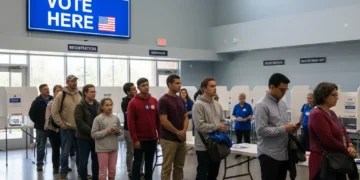
US Voter Registration: Key Deadlines and Requirements for 2026 Elections

The democratic process in the United States hinges on the active participation of its citizens, and the first crucial step in that process is often overlooked: US voter registration. As we look ahead to the 2026 elections, understanding the nuances of voter registration—from eligibility criteria to state-specific deadlines and methods—becomes paramount. This comprehensive guide aims to demystify the process, ensuring that every eligible American has the information they need to register and cast their ballot effectively.
Elections, whether federal, state, or local, are the cornerstone of our representative government. They allow citizens to choose their leaders, influence policy, and shape the future of their communities and the nation. However, the ability to vote is not automatic; it requires prior registration. The rules governing US voter registration can vary significantly from one state to another, making it essential for prospective voters to be well-informed about the specific requirements in their jurisdiction. This article will break down these complexities, providing a clear roadmap for navigating the registration landscape for the upcoming 2026 electoral cycle.
Our democracy is strongest when every eligible voice is heard. Unfortunately, many potential voters face barriers or confusion when it comes to registering. Whether it’s a lack of awareness about deadlines, uncertainty about required identification, or simply not knowing where to start, these obstacles can prevent individuals from exercising their fundamental right. By providing detailed, actionable information, we hope to empower more citizens to engage with the electoral process and make their votes count in 2026.
Understanding US Voter Registration Eligibility
Before diving into the ‘how-to’ of voter registration, it’s vital to understand who is eligible to register and vote in the United States. While there are federal guidelines, individual states often have additional requirements. Generally, to be eligible for US voter registration, you must meet the following criteria:
- Citizenship: You must be a citizen of the United States. This includes native-born citizens, naturalized citizens, and those born in U.S. territories.
- Age: You must be at least 18 years old by the date of the election. Many states allow 17-year-olds to pre-register or even vote in primary elections if they will turn 18 by the general election.
- Residency: You must be a resident of the state and often the county or precinct where you intend to vote. States have varying residency requirements, such as living in the state for a certain number of days prior to the election.
- Mental Competency: Most states require voters to be of sound mind.
- Felony Convictions: This is one of the most complex areas, as laws regarding voting rights for individuals with felony convictions vary widely by state. In some states, felons lose their voting rights permanently, while in others, rights are restored upon release from prison, completion of parole, or after a specific waiting period. It is crucial to check your state’s specific laws regarding felony disenfranchisement.
It’s important to note that these are general guidelines. Each state has the authority to set its own specific rules, which can include additional criteria or exceptions. Therefore, always verify the exact eligibility requirements for your state of residence.
Key Deadlines for US Voter Registration in 2026
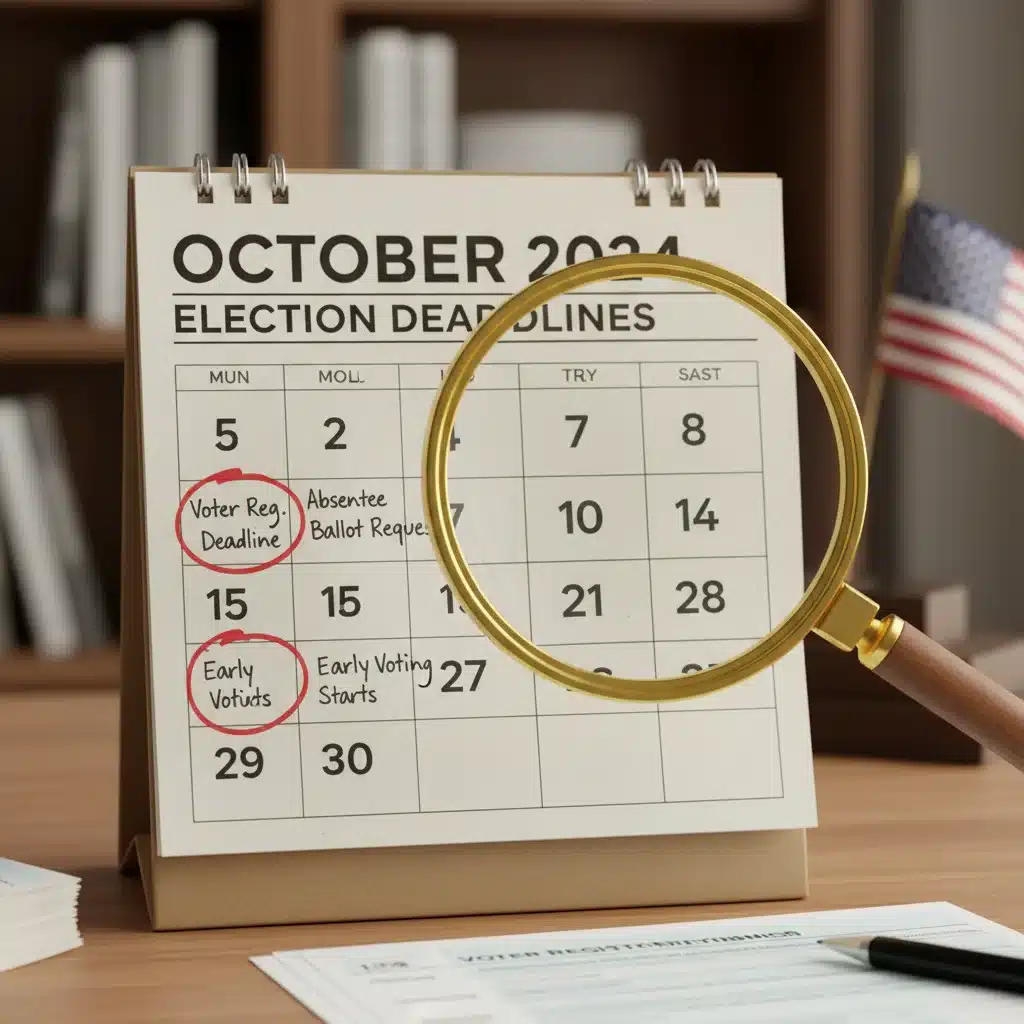
One of the most critical aspects of US voter registration is adhering to deadlines. Missing a deadline, even by a day, can mean forfeiting your right to vote in a particular election. While specific dates for the 2026 elections are still being finalized and will vary by state and the type of election (primary, general, special), there are general patterns to be aware of.
General Election Registration Deadlines
For the general elections in November 2026, most states will have a voter registration deadline that falls approximately 15 to 30 days before Election Day. This allows election officials sufficient time to process applications, verify eligibility, and prepare voter rolls. These deadlines are typically firm, and late registrations are usually not accepted for that specific election.
Primary Election Registration Deadlines
Primary elections, which determine party nominees for the general election, often have their own distinct registration deadlines. These can be earlier than general election deadlines, especially in states with closed primaries where voters must be registered with a specific party to participate. If you plan to vote in a primary, pay close attention to these earlier dates.
Same-Day Voter Registration (SDR)
A growing number of states offer Same-Day Voter Registration (SDR), also known as Election Day Registration. In these states, eligible citizens can register and vote on the same day, either at their polling place, a designated election office, or another authorized location. While SDR provides a valuable safety net for those who miss earlier deadlines, it’s not universally available. As of writing, states offering SDR include California, Colorado, Connecticut, Hawaii, Idaho, Illinois, Iowa, Maine, Maryland, Michigan, Minnesota, Montana, Nevada, New Hampshire, New Mexico, North Carolina, North Dakota (no registration required), Oregon, Utah, Vermont, Washington, Wisconsin, Wyoming, and the District of Columbia. Always confirm if your state offers this option and what specific procedures are involved.
Automatic Voter Registration (AVR)
Automatic Voter Registration (AVR) is another modern approach adopted by several states. Under AVR, when an eligible citizen interacts with a government agency (such as the DMV), they are automatically registered to vote or offered the opportunity to opt-out. This system aims to increase voter participation by making registration more seamless. States like Alaska, California, Colorado, Connecticut, Delaware, Georgia, Illinois, Maryland, Massachusetts, Michigan, Minnesota, Montana, Nevada, New Jersey, New Mexico, New York, Oregon, Pennsylvania, Rhode Island, Vermont, Virginia, Washington, and West Virginia have implemented some form of AVR. While convenient, it’s still wise to confirm your registration status if you believe you were automatically registered.
Given the variability, the best practice is to proactively check the official election website for your state (usually run by the Secretary of State or a State Board of Elections) for the most accurate and up-to-date deadlines for the 2026 elections. Early registration is always advisable to avoid any last-minute complications.
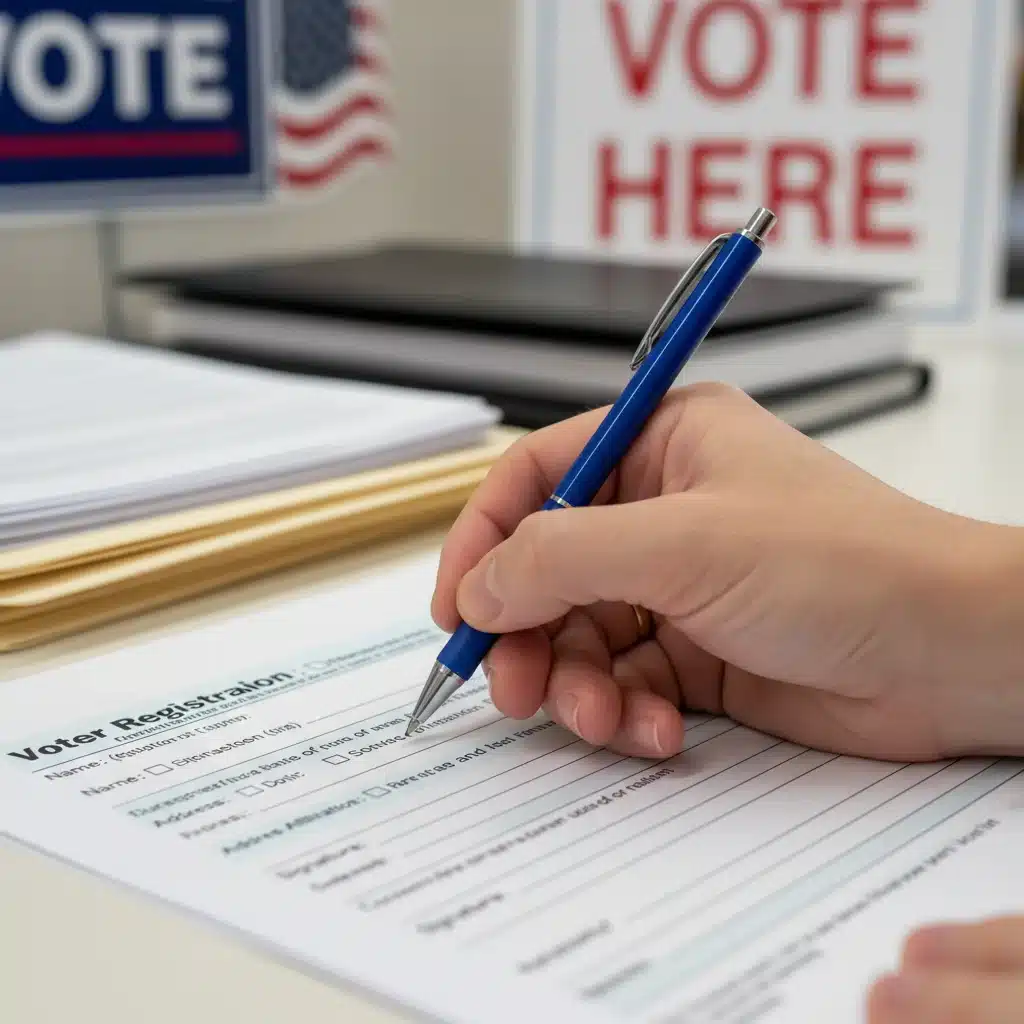
How to Complete Your US Voter Registration
The process of completing your US voter registration is typically straightforward, though the specific methods available can vary by state. Here are the most common ways to register:
1. Register Online
Many states now offer online voter registration, which is often the quickest and most convenient method. To register online, you typically need:
- Your state-issued driver’s license number or state ID card number.
- The last four digits of your Social Security Number (SSN).
- Your current address and date of birth.
The online portal will guide you through the process, and you’ll usually receive a confirmation once your registration is complete. Always use official state government websites for online registration to ensure security and accuracy.
2. Register by Mail
Registering by mail is a traditional and widely available option. You can typically find a National Mail Voter Registration Form at:
- Post offices
- Public libraries
- DMV offices
- State election offices
- Online (to print out and mail)
Fill out the form completely, sign it, and mail it to your local or state election office. Ensure it is postmarked by the registration deadline. The form will ask for similar information as online registration, including identification details.
3. Register In Person
You can also register in person at various locations, including:
- Your local election office (county or city)
- Department of Motor Vehicles (DMV)
- Public assistance agencies
- Armed forces recruitment centers
- Public libraries
- During voter registration drives
Registering in person allows you to ask questions and receive immediate assistance if needed. Remember to bring any necessary identification or proof of residency your state might require.
4. Register at the DMV (Motor Voter Act)
The National Voter Registration Act of 1993, often called the ‘Motor Voter Act,’ requires state motor vehicle agencies to offer voter registration opportunities when citizens apply for or renew a driver’s license or state ID. This is a common and effective way for many people to register or update their registration details.
Required Documents and Information for US Voter Registration
While the exact documentation needed for US voter registration can vary, here’s a general overview of what you might need to provide:
- Proof of Citizenship: Usually, stating you are a U.S. citizen on the registration form is sufficient. However, in some cases, you might be asked for a birth certificate, passport, or naturalization papers.
- Proof of Age: Your date of birth is required to verify you meet the age requirement.
- Proof of Residency: This is often satisfied by your address on the registration form. Some states may ask for a utility bill, bank statement, or driver’s license showing your current address, especially if you are registering for the first time or updating your address.
- Identification: For online or mail-in registration, you typically need your driver’s license number, state ID number, or the last four digits of your Social Security Number. If you don’t have these, some states allow you to use other forms of identification when voting for the first time, such as a utility bill or bank statement.
It’s crucial to understand that federal law requires first-time voters who registered by mail to show identification when they vote, unless they provided a driver’s license number, state ID number, or the last four digits of their SSN that could be verified. Always check your state’s specific ID requirements for voting, as these can differ from registration requirements.
Maintaining and Updating Your US Voter Registration
Registering to vote is just the first step. To ensure your vote counts in every election, it’s equally important to maintain an up-to-date US voter registration record. Life changes such as moving, changing your name, or wishing to change your political party affiliation require an update to your registration.
Changing Your Address
If you move, even within the same city or county, you must update your voter registration. Your polling place is determined by your residential address, and voting in the wrong precinct can lead to your ballot not being counted. Many states allow you to update your address online, by mail, or at the DMV. Some states have specific deadlines for address changes, so don’t delay.
Changing Your Name
If you legally change your name (e.g., due to marriage or divorce), you’ll need to update your voter registration to reflect your new name. This usually involves submitting a new registration form or an update form. This helps prevent issues at the polls when your ID might not match your voter record.
Changing Your Party Affiliation
If you wish to change your political party affiliation, especially before primary elections, you’ll need to update your registration. The deadlines for changing party affiliation can be much earlier than general registration deadlines, particularly in states with closed primaries. Confirm these dates with your state election office.
Checking Your Registration Status
It is highly recommended that you regularly check your US voter registration status, especially before an election. This can typically be done online through your state’s election website. Checking your status confirms that you are indeed registered, that your information is correct, and that your polling place details are accurate. This simple step can prevent unexpected issues on Election Day.
Special Considerations for US Voter Registration
Beyond the general guidelines, several groups of voters have specific considerations or options for US voter registration that are worth highlighting.
Military and Overseas Voters
Members of the U.S. Armed Forces, their eligible family members, and U.S. citizens residing overseas are covered by the Uniformed and Overseas Citizens Absentee Voting Act (UOCAVA). This act allows them to register to vote and request absentee ballots from anywhere in the world. The Federal Voting Assistance Program (FVAP.gov) is an excellent resource for these voters, providing forms like the Federal Post Card Application (FPCA) which serves as both a registration application and an absentee ballot request.
Students
College students often face questions about where to register: their home address or their college address. Generally, students can choose either, but they can only be registered and vote in one location. Factors to consider include where they spend most of their time, where they intend to reside long-term, and state residency requirements. Many states offer specific guidance for student voters.
Homeless Individuals
Homeless individuals have the right to vote. While they may not have a traditional residential address, they can often register using a mailing address (such as a shelter, P.O. Box, or the address of a friend or family member) and a description of where they typically reside. State laws vary on how to establish residency for voting purposes for homeless individuals, so contacting local election officials is key.
Individuals with Disabilities
Voters with disabilities are protected by laws such as the Americans with Disabilities Act (ADA) and the Help America Vote Act (HAVA), which aim to ensure accessibility to voter registration and polling places. Many states offer assistance with registration and provide accessible voting equipment. Absentee voting options are also crucial for many individuals with disabilities.
Formerly Incarcerated Individuals
As mentioned earlier, voting rights for those with felony convictions vary significantly by state. It is imperative for formerly incarcerated individuals to research their state’s specific laws regarding restoration of voting rights. Resources like the ACLU or local legal aid societies can offer assistance in understanding and restoring these rights.
The Importance of Your Vote in 2026 and Beyond
The act of US voter registration is more than just a bureaucratic step; it’s an affirmation of your civic duty and your right to shape the future. The 2026 elections, while not presidential, will be critical for determining the balance of power in Congress, state legislatures, and local governments. These elections will impact policies on everything from education and healthcare to environmental protection and economic development.
Every vote cast contributes to the collective voice of the electorate. When fewer people vote, the concerns of a smaller segment of the population may disproportionately influence outcomes. High voter turnout, conversely, ensures that elected officials are more representative of the diverse interests and needs of the entire community.
Beyond simply casting a ballot, being registered to vote opens the door to greater civic engagement. It allows you to participate in primaries, understand local issues, and hold your elected representatives accountable. It’s an essential component of a healthy, functioning democracy.
Tips for Successful US Voter Registration for 2026
To ensure a smooth US voter registration experience for the 2026 elections, consider these tips:
- Register Early: Don’t wait until the last minute. Registering well in advance gives you peace of mind and allows time to resolve any potential issues.
- Verify Your Information: Double-check all details on your registration form for accuracy, especially your name, address, and date of birth.
- Keep Records: If you register by mail, keep a copy of your form. If online, print or save the confirmation page.
- Check Your Status Regularly: Visit your state’s election website to confirm your registration status, especially a few weeks before any election.
- Know Your Polling Place: Your voter registration status will usually tell you where your designated polling place is. Familiarize yourself with its location before Election Day.
- Understand Your Ballot: Once registered, take the time to research the candidates and issues that will be on your ballot. Informed voting is effective voting.
- Volunteer: Consider volunteering with a non-partisan organization that helps with voter registration or election protection.
Conclusion: Your Role in the 2026 Elections
The path to the 2026 elections begins with US voter registration. It is a fundamental right and responsibility that empowers you to participate in the democratic process. By understanding the eligibility requirements, adhering to deadlines, and utilizing the various registration methods available, you can ensure your voice is heard and your vote is counted.
Don’t underestimate the power of your individual vote. Collectively, millions of votes determine the leadership and direction of our nation. Take the initiative now to confirm or complete your registration, encourage friends and family to do the same, and be a part of shaping the future through active civic engagement. Your participation in the 2026 elections is vital, and it all starts with a simple yet powerful act: registering to vote.