U.S. Grid Modernization: 2026 Investment Insights & Reliability Impact
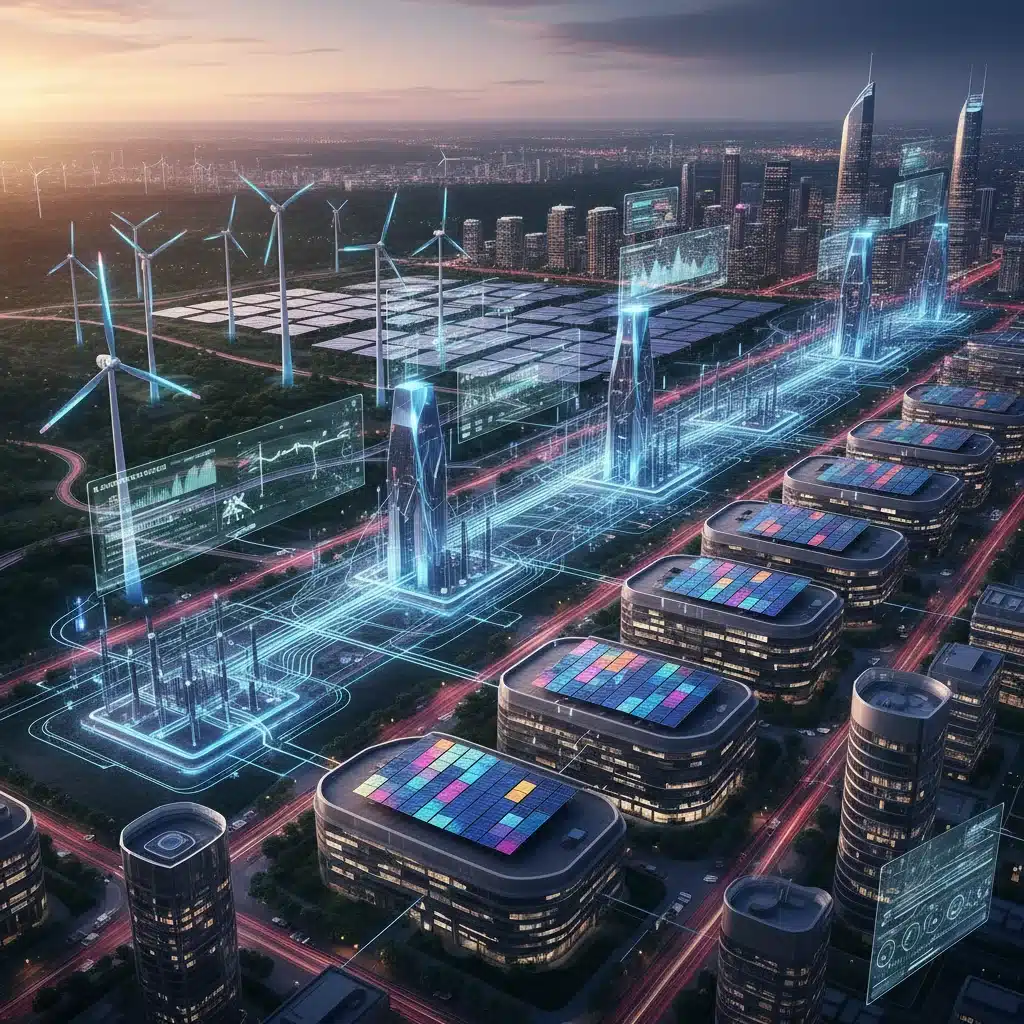
The United States stands at a critical juncture in its energy evolution. The aging infrastructure of its electrical grid, once a marvel of engineering, now faces unprecedented challenges from climate change, escalating energy demands, and the imperative to integrate diverse renewable energy sources. Recognizing these profound shifts, significant attention and capital are being directed towards grid modernization investments. As we look towards 2026, the landscape of essential service investments is becoming clearer, promising a transformative impact on the reliability, resilience, and sustainability of the nation’s power delivery system. This article delves into the insider insights surrounding these crucial investments, exploring their scope, strategic priorities, and the anticipated ripple effects across the U.S. energy sector.
The concept of grid modernization investments encompasses a broad spectrum of initiatives, from upgrading physical infrastructure like transmission lines and substations to deploying advanced digital technologies such as smart meters, sensors, and sophisticated control systems. The overarching goal is not merely to repair what is old, but to build a future-proof grid that is intelligent, flexible, and capable of meeting the demands of the 21st century. This transformation is vital for ensuring energy security, fostering economic growth, and achieving ambitious climate targets.
The Imperative for Grid Modernization Investments
The current U.S. energy grid, largely built in the mid-20th century, was designed for a centralized power generation model, where large power plants fed electricity outward to consumers. This model is increasingly ill-suited for a future dominated by distributed energy resources (DERs) like rooftop solar, electric vehicles (EVs), and advanced battery storage. The vulnerabilities of the traditional grid are starkly evident in its susceptibility to extreme weather events, cyber threats, and inefficiencies that lead to energy waste.
One of the primary drivers for substantial grid modernization investments is the escalating frequency and intensity of natural disasters. Hurricanes, wildfires, and severe winter storms have repeatedly exposed the fragility of the existing infrastructure, leading to widespread and prolonged power outages. These events not only cause significant economic disruption but also pose serious public safety risks. A modernized grid, with enhanced resilience features like microgrids, undergrounding of power lines, and advanced fault detection systems, can significantly mitigate these impacts.
Furthermore, the push for decarbonization and the integration of renewable energy sources necessitate a smarter, more adaptable grid. Intermittent sources like solar and wind power require sophisticated management to maintain grid stability. This involves advanced forecasting, real-time balancing of supply and demand, and the ability to store excess energy. Without robust grid modernization investments, the full potential of renewable energy cannot be realized, hindering progress towards a clean energy future.
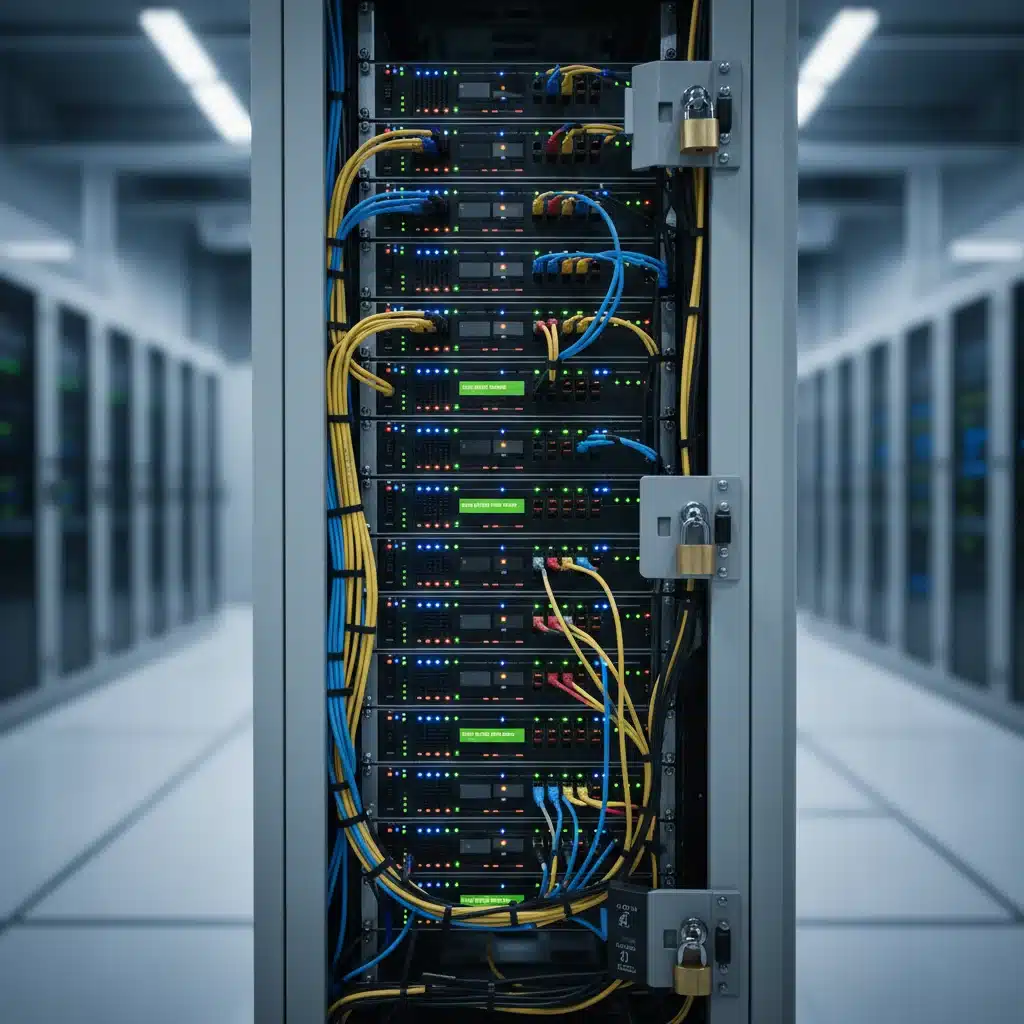
Finally, the growing threat of cyberattacks on critical infrastructure underscores the urgent need for enhanced security measures. The energy grid is a prime target for malicious actors, and a successful attack could have catastrophic consequences. Modernization efforts are therefore intrinsically linked with strengthening cybersecurity defenses, employing advanced encryption, intrusion detection systems, and resilient operational protocols to protect essential services.
Key Areas of 2026 Grid Modernization Investments
Looking ahead to 2026, several key areas are poised to receive significant portions of the grid modernization investments. These strategic priorities reflect both immediate needs and long-term visions for a resilient and sustainable energy future.
1. Advanced Transmission and Distribution Infrastructure
Upgrading and expanding the physical backbone of the grid is paramount. This includes replacing aging transformers, strengthening transmission lines to withstand extreme weather, and developing new high-capacity corridors to transport renewable energy from remote generation sites to population centers. Investments in advanced conductors, dynamic line rating technologies, and flexible AC transmission systems (FACTS) will enhance the efficiency and capacity of existing lines, reducing congestion and power losses.
2. Smart Grid Technologies and Digitalization
The integration of smart grid technologies is at the heart of grid modernization investments. This involves deploying a vast network of sensors, smart meters, and communication devices that collect real-time data on grid performance. This data, when analyzed by artificial intelligence (AI) and machine learning (ML) algorithms, enables utilities to proactively identify and address issues, optimize power flow, and manage demand more effectively. Key components include:
- Advanced Metering Infrastructure (AMI): Smart meters provide granular data on energy consumption, enabling dynamic pricing, demand response programs, and faster outage detection.
- Distribution Automation (DA): Automated switches and sensors on distribution feeders can rapidly isolate faults and reroute power, minimizing the duration and extent of outages.
- Supervisory Control and Data Acquisition (SCADA) Systems: Enhanced SCADA systems offer more sophisticated monitoring and control capabilities for grid operators.
- Geographic Information Systems (GIS): Integrated GIS platforms provide a visual representation of the grid, aiding in asset management, planning, and emergency response.
3. Renewable Energy Integration and Storage
To meet ambitious decarbonization goals, significant grid modernization investments are flowing into facilitating the seamless integration of renewable energy. This includes developing advanced inverter technologies that allow DERs to contribute to grid stability, rather than simply consuming power. Furthermore, large-scale battery storage projects, pumped-hydro storage, and other energy storage solutions are crucial for balancing the intermittent nature of solar and wind power, ensuring a consistent and reliable supply of electricity.
4. Cybersecurity Enhancements
As the grid becomes more digitalized and interconnected, its attack surface expands. Consequently, a substantial portion of 2026 grid modernization investments will be dedicated to bolstering cybersecurity defenses. This involves implementing multi-layered security protocols, continuous threat monitoring, employee training, and developing resilient architectures that can withstand and quickly recover from cyberattacks. Collaboration between government agencies, utilities, and cybersecurity experts is essential to stay ahead of evolving threats.
5. Electric Vehicle (EV) Charging Infrastructure
The rapid adoption of EVs presents both challenges and opportunities for the grid. While EVs increase electricity demand, they can also serve as mobile storage units, potentially providing grid services. Investments in smart charging infrastructure, vehicle-to-grid (V2G) technology, and grid-aware charging management systems are vital to manage this growing load efficiently and leverage the potential benefits of EVs for grid stability.

Impact on Reliability and Resilience of Essential Services
The primary objective of these extensive grid modernization investments is to significantly enhance the reliability and resilience of essential services. Reliability refers to the ability of the grid to deliver power continuously and consistently, while resilience describes its capacity to withstand and rapidly recover from disruptive events.
Improved Outage Management and Restoration
With smart grid technologies, utilities will have unprecedented visibility into their networks. Real-time data will allow for immediate detection of outages, precise fault location, and automated restoration processes. This means fewer and shorter power outages for consumers. For instance, advanced sensors can pinpoint the exact location of a downed power line, dispatching crews directly to the problem area, rather than relying on customer calls to identify the general region.
Enhanced Grid Stability and Power Quality
The integration of advanced controls and energy storage will lead to a more stable grid, less prone to voltage fluctuations and frequency deviations. This improved power quality is critical for sensitive electronic equipment in homes and businesses. Furthermore, the ability to rapidly balance supply and demand will prevent blackouts caused by sudden changes in generation or consumption, a common concern with increasing renewable penetration.
Greater Resilience to Extreme Weather
Strategic grid modernization investments, such as undergrounding power lines in vulnerable areas, deploying self-healing grid technologies, and establishing microgrids, will make the energy infrastructure far more resilient to severe weather. Microgrids, which can operate independently from the main grid, are particularly valuable for powering critical facilities like hospitals and emergency services during widespread outages, ensuring essential services remain operational.
Proactive Maintenance and Asset Management
The wealth of data collected by smart grid sensors will enable utilities to transition from reactive maintenance to proactive, predictive maintenance. By monitoring the health of transformers, circuit breakers, and other equipment, potential failures can be identified and addressed before they occur, preventing costly repairs and service interruptions. This data-driven approach optimizes resource allocation and extends the lifespan of critical assets.
Challenges and Opportunities in 2026
While the benefits of grid modernization investments are clear, the path forward is not without its challenges. However, these challenges also present significant opportunities for innovation and collaboration.
Regulatory and Policy Frameworks
One of the biggest hurdles is adapting existing regulatory frameworks to support and incentivize grid modernization. Traditional rate structures often favor capital expenditures on large, centralized power plants rather than distributed resources or digital upgrades. Policymakers and regulators must work hand-in-hand with utilities to create innovative regulatory models that reward performance, resilience, and clean energy integration. The federal government’s role in providing funding and establishing clear guidelines, as seen in initiatives like the Infrastructure Investment and Jobs Act, is crucial in this regard.
Interoperability and Standardization
The vast array of new technologies being deployed across different utilities and regions necessitates a focus on interoperability and standardization. Without common communication protocols and data formats, integrating disparate systems can be complex and expensive. Industry-wide standards will be critical to ensure seamless data exchange and efficient operation of the modernized grid, making grid modernization investments more effective.
Workforce Development
A modernized grid requires a modernized workforce. There is a pressing need to train and reskill utility workers in areas such as data analytics, cybersecurity, renewable energy integration, and advanced control systems. Educational institutions, vocational schools, and utilities must collaborate to develop comprehensive training programs that equip the next generation of energy professionals with the necessary skills. This is a significant area of investment in human capital.
Public Acceptance and Consumer Engagement
For grid modernization investments to be truly successful, public acceptance and active consumer engagement are essential. Consumers need to understand the benefits of smart grid technologies, such as demand response programs and dynamic pricing, and feel confident about the security of their data. Effective communication campaigns and user-friendly interfaces for energy management tools will play a vital role in fostering this engagement.
Financing and Investment Models
The scale of required grid modernization investments is immense. Innovative financing models, including public-private partnerships, green bonds, and performance-based incentives, will be necessary to attract the capital needed. Utilities are exploring various funding mechanisms, often leveraging federal grants and loans alongside traditional capital expenditure budgets to accelerate these critical upgrades.
The Role of Technology and Innovation
At the core of grid modernization investments lies a profound reliance on technological innovation. Breakthroughs in artificial intelligence, machine learning, and advanced analytics are transforming how utilities manage and operate the grid. These technologies enable predictive maintenance, optimize energy dispatch, and enhance the grid’s ability to self-heal.
Artificial Intelligence and Machine Learning
AI and ML algorithms are becoming indispensable for processing the vast amounts of data generated by smart grid sensors. They can predict equipment failures, forecast renewable energy generation, optimize energy storage dispatch, and even detect and respond to cyber threats in real time. These capabilities are fundamentally changing the operational paradigm of utilities, moving from reactive to proactive management.
Blockchain for Grid Transactions
While still in nascent stages, blockchain technology holds promise for certain aspects of grid modernization. Its decentralized and secure ledger system could facilitate peer-to-peer energy trading among prosumers (consumers who also produce energy), manage distributed energy resource transactions, and enhance the security of grid data. Further research and pilot projects are exploring how blockchain can contribute to the transparency and efficiency of future energy markets.
Advanced Materials and Manufacturing
Innovations in materials science are leading to the development of more efficient conductors, resilient components, and advanced insulation materials that can withstand harsher environmental conditions. Additive manufacturing (3D printing) is also being explored for producing customized components on demand, reducing lead times and improving supply chain resilience for grid modernization investments.
Looking Beyond 2026: A Vision for the Future Grid
The grid modernization investments being made in 2026 are not an end in themselves but rather foundational steps towards a fundamentally different energy future. The vision is a highly interconnected, intelligent, and resilient grid that seamlessly integrates diverse energy sources, empowers consumers, and supports a decarbonized economy.
Imagine a grid where homes and businesses actively participate in energy management, optimizing their consumption based on real-time prices and availability of renewable energy. Electric vehicles not only get charged but also contribute power back to the grid during peak demand. Neighborhoods are powered by local microgrids, ensuring continuous service even if the main grid experiences issues. This future is not a distant dream; it is actively being built through the strategic grid modernization investments happening today.
The journey to a fully modernized grid will be continuous, requiring ongoing innovation, adaptation, and sustained investment. However, the foundational work being laid in 2026 will set the stage for a more secure, reliable, and sustainable energy future for the United States. It’s an investment not just in infrastructure, but in the nation’s economic competitiveness, environmental health, and quality of life for generations to come.
Conclusion
The year 2026 marks a pivotal period for grid modernization investments in the U.S. essential services sector. From strengthening physical infrastructure and deploying cutting-edge smart grid technologies to enhancing cybersecurity and integrating renewable energy, the strategic priorities are clear and compelling. These investments are designed to address the vulnerabilities of an aging grid, meet the demands of a rapidly evolving energy landscape, and build a resilient foundation for a sustainable future.
While challenges in regulatory adaptation, standardization, and workforce development persist, the opportunities for innovation, efficiency, and enhanced reliability are immense. The concerted effort by government, utilities, technology providers, and consumers will be crucial in realizing the full potential of these transformative investments. The modernized grid will not only ensure a more reliable and secure power supply but will also play a central role in the nation’s transition to a clean energy economy, underscoring the critical importance of every dollar spent on grid modernization investments.