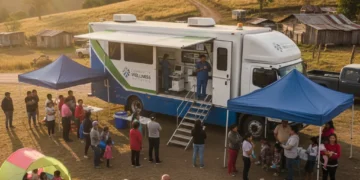
Rural Broadband Access 2026: Federal Initiatives & Your Internet
In an increasingly interconnected world, reliable and high-speed internet is no longer a luxury but a fundamental necessity. For too long, significant portions of rural America have been left behind, grappling with slow, unreliable, or non-existent internet service. This ‘digital divide’ has profound implications, affecting everything from education and healthcare to economic development and social engagement. However, the landscape is rapidly changing. With ambitious federal initiatives and substantial funding commitments, the year 2026 is poised to be a pivotal moment for rural broadband access. This comprehensive article delves into the latest federal programs, their objectives, the technologies being deployed, and what these developments mean for your internet service in rural areas.
The urgency to address the digital divide in rural America has never been greater. The COVID-19 pandemic starkly highlighted the disparities, as remote work, online learning, and telehealth became essential. Communities without adequate internet infrastructure struggled immensely, underscoring the critical need for universal broadband. Recognizing this, the U.S. government has launched several unprecedented initiatives, committing billions of dollars to expand and improve internet service in underserved rural regions. These efforts are not just about laying fiber optic cables; they are about fostering economic growth, enhancing educational opportunities, improving healthcare outcomes, and ensuring that no American community is left behind in the digital age.
The Digital Divide: A Persistent Challenge for Rural Broadband Access
Before we dive into the solutions, it’s crucial to understand the scope of the problem. The digital divide in rural America is characterized by several key issues:
- Availability: Many rural areas simply lack the physical infrastructure for high-speed internet. Internet Service Providers (ISPs) often find it economically unfeasible to build out networks in sparsely populated regions due to the high cost per subscriber.
- Affordability: Even where broadband is available, the cost can be prohibitively high for many rural households, especially those with lower incomes.
- Adoption: Beyond availability and affordability, some communities face challenges with digital literacy and access to necessary devices, further hindering internet adoption.
- Speed and Reliability: For those with some form of internet, the speeds are often far below national averages, and service can be unreliable, frequently interrupted by weather or infrastructure limitations.
These challenges collectively create a barrier to entry for rural communities into the modern economy. Businesses struggle to compete, students fall behind in their studies, and access to essential services like telehealth is limited. The lack of robust rural broadband access perpetuates a cycle of disadvantage, making federal intervention not just beneficial, but absolutely necessary.
Key Federal Initiatives Driving Rural Broadband Access by 2026
The U.S. government has rolled out a suite of programs designed to tackle the digital divide head-on. These initiatives represent a multi-pronged approach, combining direct funding, grants, loans, and technical assistance to stimulate broadband deployment. Here are some of the most significant programs influencing rural broadband access by 2026:
1. The Infrastructure Investment and Jobs Act (IIJA) & BEAD Program
Perhaps the most impactful legislation is the Infrastructure Investment and Jobs Act (IIJA), signed into law in 2021. This monumental act allocates an unprecedented $65 billion to expand broadband access across the nation. A significant portion of this—$42.45 billion—is dedicated to the Broadband Equity, Access, and Deployment (BEAD) program, administered by the National Telecommunications and Information Administration (NTIA).
- BEAD Program Goals: The primary goal of BEAD is to ensure that every American has access to reliable, affordable high-speed internet. States and territories receive funding allocations based on the number of unserved and underserved locations.
- State-Led Implementation: Each state is responsible for developing a five-year action plan, identifying eligible areas, and awarding subgrants to ISPs and other entities to build out broadband infrastructure. This localized approach allows for tailored solutions that best fit the needs of individual communities.
- Focus on Unserved Areas: BEAD prioritizes connecting unserved locations (those without access to 25/3 Mbps) and underserved locations (those without access to 100/20 Mbps). There’s a strong emphasis on fiber optic deployment, considered the gold standard for future-proof internet.
The BEAD program is set to dramatically reshape the landscape of rural broadband access. By 2026, we can expect to see significant progress in connecting previously isolated communities, driven by these substantial investments.
2. ReConnect Program (USDA)
The U.S. Department of Agriculture (USDA) has been a long-standing player in rural development, and its ReConnect Program is a crucial component of the current broadband expansion efforts. ReConnect offers loans, grants, and loan/grant combinations to build high-speed broadband infrastructure in rural areas that lack sufficient access.
- Target Audience: The program specifically targets rural areas where 90% of households lack access to 100/20 Mbps internet.
- Community-Driven: ReConnect encourages applications from local providers, co-operatives, and municipalities, empowering communities to take ownership of their broadband future.
- Multiple Rounds of Funding: The program has seen multiple rounds of funding, with ongoing allocations continuing to support projects that bring reliable internet to the most remote parts of the country.
The USDA’s consistent commitment through ReConnect complements the broader efforts of the BEAD program, ensuring a diverse array of projects contribute to improved rural broadband access.
3. Affordable Connectivity Program (ACP)
While infrastructure is critical, affordability remains a significant hurdle. The Affordable Connectivity Program (ACP), administered by the Federal Communications Commission (FCC), addresses this directly. ACP provides a discount of up to $30 per month (and up to $75 per month for households on Tribal lands) on internet service for eligible low-income households.
- Impact on Adoption: By reducing the cost of internet, ACP helps bridge the affordability gap, making it possible for millions of households to connect who otherwise couldn’t.
- Eligibility: Eligibility is tied to various federal assistance programs, ensuring that those most in need receive support.
Although the future of ACP funding is currently uncertain, its impact on increasing internet adoption and making rural broadband access more equitable has been undeniable. Continued support for such programs is vital for achieving universal connectivity.
4. Middle Mile Broadband Infrastructure Program
Often overlooked, ‘middle mile’ infrastructure is the critical link between national internet backbones and the ‘last mile’ connections that reach homes and businesses. The NTIA’s Middle Mile Broadband Infrastructure Program provides funding for the construction, improvement, or acquisition of middle mile infrastructure.
- Bridging the Gap: This program is essential for making last-mile deployment more feasible and affordable, especially in rural areas where existing middle mile infrastructure is scarce.
- Enhancing Capacity: By investing in middle mile, the program increases the overall capacity and resilience of broadband networks, benefiting both urban and rural areas.
Without robust middle mile infrastructure, even the best last-mile efforts would be limited. This program ensures a more holistic approach to improving rural broadband access.
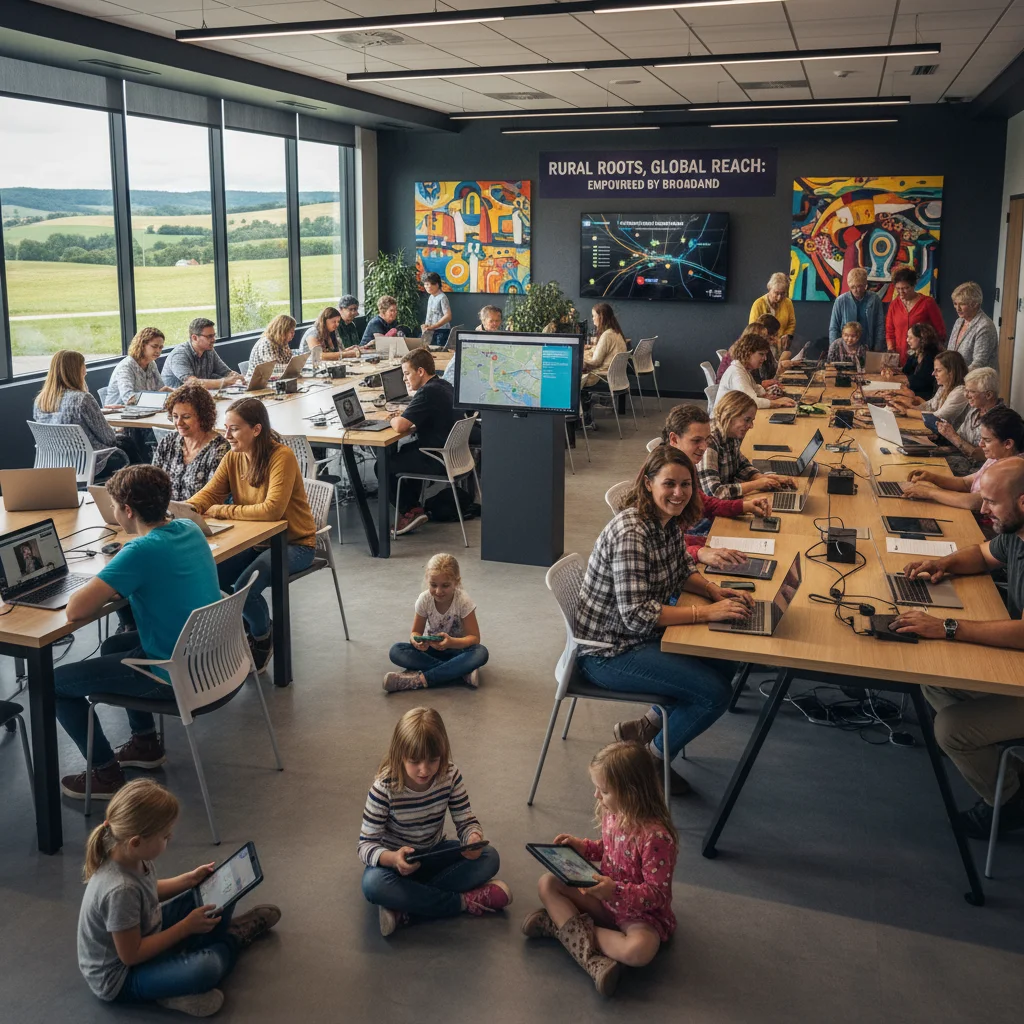
Technologies Driving the Future of Rural Internet
The federal initiatives are technology-neutral in principle, but certain technologies are proving more effective and scalable for rural broadband access:
Fiber Optic Networks
Fiber-to-the-Home (FTTH) is widely considered the gold standard for broadband. It offers unparalleled speed, reliability, and low latency, making it future-proof for decades to come. Many federal programs, particularly BEAD, prioritize fiber deployment due to its long-term benefits, despite the higher initial construction costs in rural areas.
- Advantages: Symmetrical speeds (equal upload and download), high bandwidth capacity, resistance to electromagnetic interference.
- Challenges: High upfront cost, time-consuming deployment in difficult terrain.
The push for fiber optic networks is a clear indication of a long-term vision for sustainable and high-quality rural broadband access.
Fixed Wireless Access (FWA)
Fixed Wireless Access uses radio signals to deliver internet service to homes and businesses from a central tower. It’s often quicker and less expensive to deploy than fiber, making it an attractive option for connecting sparsely populated areas.
- Advantages: Faster deployment than fiber, lower cost, effective in challenging terrains.
- Challenges: Can be affected by line-of-sight issues, weather, and spectrum availability, typically offers lower speeds than fiber.
FWA plays a crucial role as an interim or complementary solution, especially in areas where fiber deployment is exceptionally difficult or costly, ensuring that some form of improved rural broadband access is available sooner.
Satellite Internet
Advances in satellite technology, particularly with low Earth orbit (LEO) constellations like Starlink, have dramatically improved satellite internet. LEO satellites offer significantly lower latency and higher speeds compared to traditional geostationary satellites, making them a viable option for the most remote locations.
- Advantages: Universal coverage, can reach areas inaccessible by other technologies.
- Challenges: Higher equipment costs, potential for service interruptions from weather, still generally higher latency than fiber or FWA.
While not the primary solution for dense rural areas, satellite internet remains a critical lifeline for truly isolated communities, ensuring that no one is entirely left out of the conversation about rural broadband access.
What These Initiatives Mean for Your Internet Service by 2026
For residents and businesses in rural America, these federal initiatives translate into tangible improvements in various ways:
1. Faster and More Reliable Internet
The most immediate and obvious benefit will be access to significantly faster and more reliable internet speeds. The goal of 100/20 Mbps (download/upload) as a minimum standard for BEAD-funded projects means that streaming, video conferencing, online gaming, and large file transfers will become commonplace, not a luxury.
2. Increased Competition and Lower Prices
As more infrastructure is built and more providers enter previously underserved markets, competition is likely to increase. This competition can lead to more choices for consumers and potentially lower prices for internet service, making rural broadband access more affordable for everyone.
3. Enhanced Economic Opportunities
Robust internet access is a catalyst for economic development. Rural businesses will be able to reach broader markets, utilize cloud-based services, and adopt digital tools that increase efficiency. Entrepreneurs will find it easier to start and grow businesses in rural areas, fostering job creation and economic diversification.
4. Improved Education and Healthcare
The benefits extend deeply into essential services. Students in rural areas will have equitable access to online learning resources, virtual classrooms, and educational tools. Telehealth services will become more widespread and effective, allowing rural residents to consult with specialists, manage chronic conditions, and receive care without lengthy travel.
5. Stronger, More Connected Communities
Beyond the practical benefits, improved internet fosters stronger community ties. Residents can more easily connect with local government, participate in civic activities, and access online community resources. The ability to stay connected digitally can also help combat social isolation in remote areas.
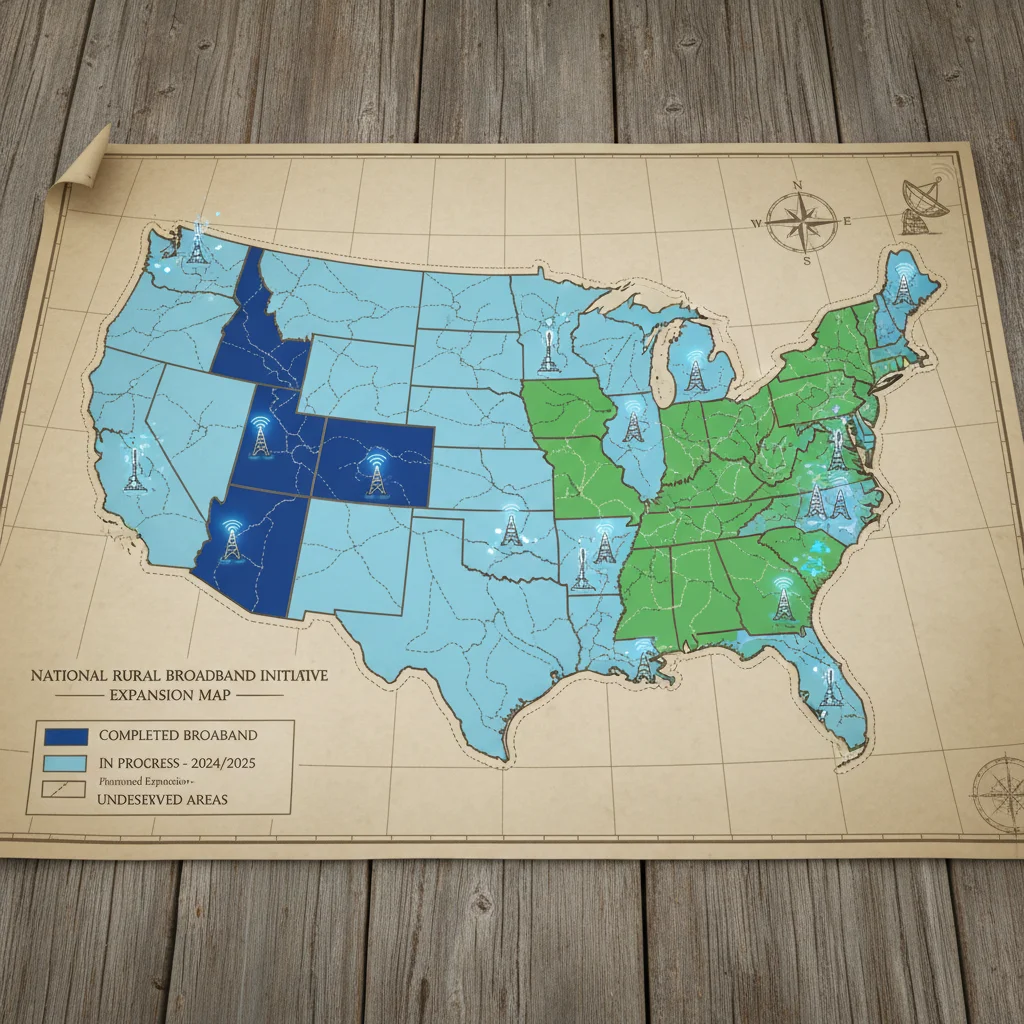
How to Stay Informed and Get Involved
As these initiatives unfold, it’s crucial for rural residents and community leaders to stay informed and actively participate:
- Check State Broadband Offices: Each state has a dedicated broadband office or task force responsible for implementing federal programs like BEAD. These offices are the best source for information on specific plans, timelines, and opportunities in your area.
- Participate in Public Input Processes: Many programs require states to solicit public input on their broadband plans. Attending public meetings, submitting comments, and voicing your community’s needs are vital.
- Contact Your Local Government: Local officials often work closely with state and federal agencies on broadband projects. They can provide updates and guidance on how to get involved.
- Explore ACP Eligibility: If you meet the income requirements, apply for the Affordable Connectivity Program to reduce your internet costs.
- Advocate for Your Community: Join local advocacy groups or form one to collectively push for improved rural broadband access in your region.
Challenges and Considerations Ahead
While the outlook for rural broadband access by 2026 is overwhelmingly positive, there are still challenges to navigate:
- Supply Chain Issues: The demand for fiber optic cables, networking equipment, and skilled labor could strain supply chains and potentially delay projects.
- Workforce Development: A significant increase in broadband deployment requires a skilled workforce for installation, maintenance, and support. Training programs will be essential.
- Permitting and Rights-of-Way: Navigating complex permitting processes and securing rights-of-way can be time-consuming and costly, especially across diverse jurisdictions.
- Sustainability and Future-Proofing: Ensuring that the infrastructure built today can meet the demands of tomorrow is critical. The emphasis on fiber helps, but ongoing investment and technological adaptation will be necessary.
- Digital Literacy and Device Access: Even with infrastructure and affordability addressed, some communities will need support for digital literacy training and access to affordable devices to fully utilize their new internet connections.
Addressing these challenges will require continued collaboration between federal, state, and local governments, as well as private sector partners and community organizations.
Conclusion: A Connected Future for Rural America
The federal initiatives currently underway represent an unprecedented commitment to closing the digital divide and ensuring that every American, regardless of where they live, has access to high-speed, reliable internet. By 2026, the landscape of rural broadband access is expected to be dramatically transformed, bringing with it a wave of economic, educational, and social benefits.
These programs are not just about wires and towers; they are about empowering communities, fostering innovation, and creating a more equitable and connected nation. While challenges remain, the collective will and significant investment signal a bright future for rural America, a future where digital opportunity is within reach for all.
Stay informed, get involved, and prepare for a more connected tomorrow. The journey to universal rural broadband access is well underway, and 2026 marks a major milestone in this vital endeavor.