Inflation-Proof Your Finances: Smart Strategies for 2026 & Beyond
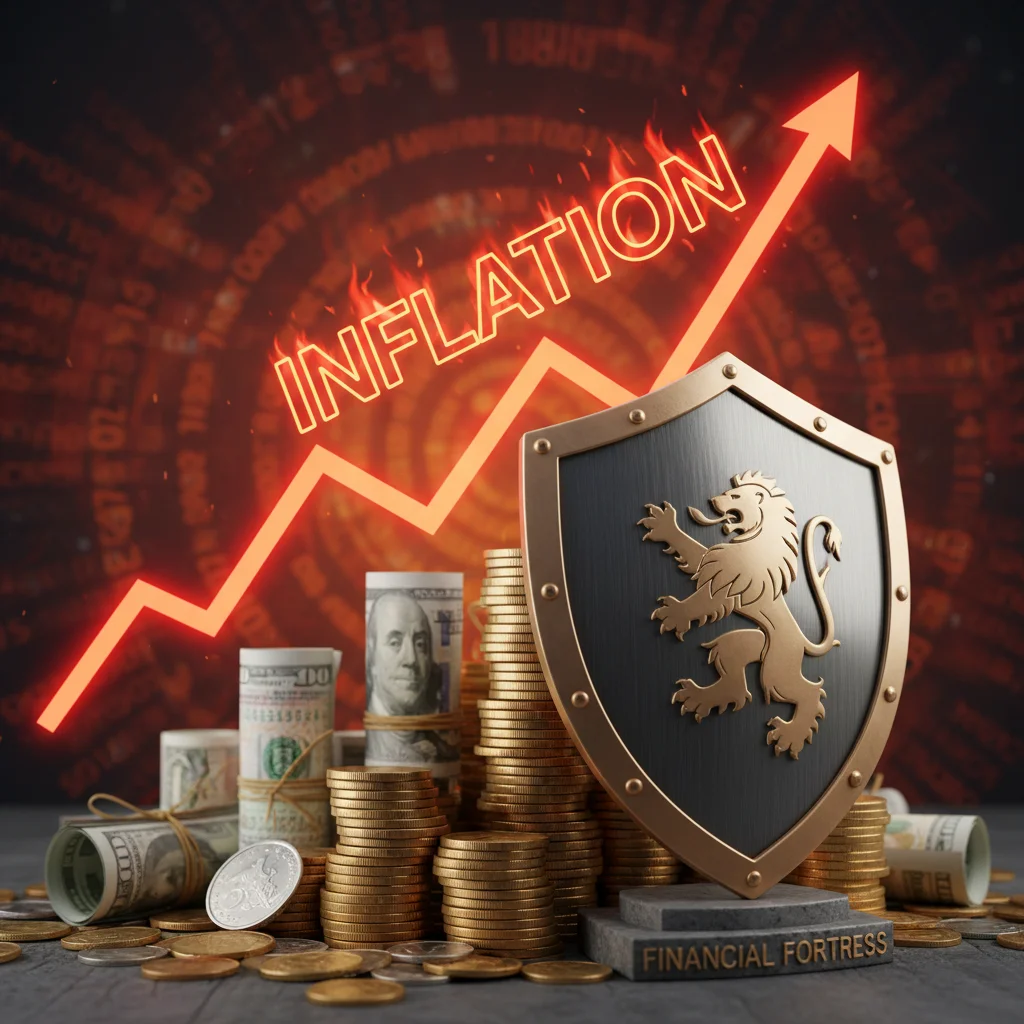
In an ever-evolving global economy, the specter of inflation consistently looms, threatening to erode the purchasing power of our hard-earned money. As we look towards 2026 and the years beyond, understanding how to effectively inflation proof finances becomes not just a prudent measure, but an absolute necessity. This comprehensive guide will delve into critical strategies designed to safeguard your wealth, ensure your financial stability, and even foster growth amidst rising costs. We’ll explore actionable steps ranging from smart investment choices to proactive budgeting, providing you with the tools to navigate economic shifts with confidence.
Inflation, at its core, is the rate at which the general level of prices for goods and services is rising, and consequently, the purchasing power of currency is falling. While a moderate level of inflation is often seen as a sign of a healthy, growing economy, unchecked or high inflation can severely impact personal finances, making everyday necessities more expensive and diminishing the value of savings. For individuals striving for long-term financial security, ignoring inflation is akin to sailing without a compass; you might drift aimlessly, losing ground without realizing it until it’s too late.
The current economic landscape, influenced by global events, supply chain disruptions, and shifting monetary policies, underscores the importance of proactive financial planning. The strategies discussed here are not merely reactive measures but foundational principles for building a resilient financial future. By understanding and implementing these approaches, you can transform potential threats into opportunities, ensuring your financial well-being is preserved and enhanced, regardless of the economic climate.
This article aims to provide a holistic view of how to inflation proof finances, offering practical advice that can be tailored to individual circumstances. Whether you’re a seasoned investor or just starting your financial journey, the insights shared here will equip you with the knowledge to make informed decisions and secure your financial future in an inflationary environment.
Understanding the Impact of Inflation on Your Finances
Before we dive into the strategies, it’s crucial to grasp how inflation directly affects your personal finances. When prices rise, the same amount of money buys fewer goods and services than it did before. This erosion of purchasing power has several significant implications:
- Reduced Savings Value: Money held in traditional savings accounts, which often offer low-interest rates, loses value over time. If inflation is 3% and your savings account yields 0.5%, you’re effectively losing 2.5% of your money’s purchasing power annually.
- Higher Cost of Living: Everyday expenses like groceries, fuel, housing, and utilities become more expensive, squeezing household budgets and making it harder to maintain your current lifestyle.
- Impact on Retirement Planning: The cost of living in retirement will be significantly higher than it is today. If your retirement savings don’t grow at a rate that outpaces inflation, you might find yourself with insufficient funds to cover your expenses in your later years.
- Increased Debt Burden (Relative): While the nominal value of your debt remains the same, the purchasing power of the money you earn to pay off that debt decreases. However, for fixed-rate debts, the real value of the payments decreases, which can be a silver lining for borrowers, but it’s a double-edged sword when considering the overall economic impact.
- Investment Performance: Inflation can eat into investment returns. An investment yielding 5% might seem good, but if inflation is 4%, your real return is only 1%. This highlights the need for investments that can genuinely outpace inflation.
Recognizing these impacts is the first step towards building a robust financial defense. The goal of inflation-proofing your finances is not just to maintain the nominal value of your money, but to preserve and ideally grow its real purchasing power.
Strategy 1: Smart Investing for Real Returns
One of the most effective ways to inflation proof finances is through strategic investing. Simply holding cash or low-yield savings accounts is a losing battle against inflation. The key is to invest in assets that have historically performed well during inflationary periods or offer inherent protection against rising prices.
Diversified Portfolio with Inflation-Hedge Assets
A well-diversified investment portfolio is always a cornerstone of sound financial planning, but during inflationary times, certain asset classes become particularly valuable. Consider incorporating the following:
- Real Estate: Historically, real estate has been a strong hedge against inflation. Property values and rental income tend to rise with inflation, providing a tangible asset that appreciates over time. Investing in physical properties, Real Estate Investment Trusts (REITs), or real estate funds can offer exposure to this asset class.
- Commodities: Raw materials like gold, silver, oil, and agricultural products often see their prices increase during inflationary periods. Gold, in particular, is frequently seen as a safe-haven asset. While direct investment in physical commodities can be complex, exchange-traded funds (ETFs) that track commodity indexes offer a more accessible route.
- Treasury Inflation-Protected Securities (TIPS): These are U.S. Treasury bonds that are indexed to inflation. Their principal value adjusts with the Consumer Price Index (CPI), and interest payments are made on the adjusted principal. This directly protects your investment from inflation.
- Dividend-Paying Stocks: Companies with strong balance sheets and pricing power can often pass increased costs onto consumers, maintaining or even growing their profits during inflation. Investing in dividend-paying stocks from such companies can provide a growing income stream that helps combat rising costs.
- Value Stocks: During inflationary periods, growth stocks can sometimes struggle as higher interest rates (often used to combat inflation) make future earnings less valuable. Value stocks, which are often mature companies with stable earnings and lower valuations, can be more resilient.
- Infrastructure Investments: Investments in infrastructure projects (e.g., utilities, transportation) often have long-term contracts that are indexed to inflation, providing stable, inflation-adjusted returns.
The emphasis here is on diversification across these asset classes to mitigate risk and maximize the potential for real returns. Consult with a financial advisor to tailor a portfolio that aligns with your risk tolerance and financial goals.
Consider Alternative Investments
Beyond traditional markets, some alternative investments can also serve as inflation hedges:
- Private Equity and Debt: These investments, while less liquid, can offer higher returns and are often less correlated with public markets, providing a buffer during volatile times.
- Hedge Funds: Some hedge fund strategies are specifically designed to perform in various market conditions, including inflationary ones, through complex trading strategies.
- Collectibles and Art: For those with specialized knowledge, certain collectibles or fine art can retain or even increase their value during inflationary periods, acting as stores of value. However, these are highly illiquid and require expert knowledge.
These alternative investments often come with higher risks and liquidity constraints, making them more suitable for sophisticated investors. Always conduct thorough due diligence and seek professional advice before venturing into these areas.
Strategy 2: Optimize Your Debt and Cash Flow
Managing debt and optimizing your cash flow are equally crucial components of inflation-proofing your finances. High inflation can make servicing certain types of debt more challenging and erode the value of your liquid assets.
Prioritize Debt Repayment, Especially Variable-Rate Debt
When inflation rises, central banks often respond by raising interest rates. This directly impacts variable-rate debts, such as certain mortgages, credit card balances, and lines of credit, causing your monthly payments to increase. Prioritizing the repayment of these debts can save you significant money in interest costs.
- Fixed-Rate Debt: While paying off fixed-rate debt is always good, its real value decreases with inflation. The payments remain constant, but the money you’re using to make those payments has less purchasing power. This means fixed-rate debt can become ‘cheaper’ in real terms. However, it’s still wise to manage debt responsibly.
- High-Interest Debt: Regardless of inflation, high-interest debts like credit card balances should always be a top priority for repayment. The interest rates on these debts often far outpace inflation, making them a significant drain on your finances.
Consider consolidating high-interest or variable-rate debts into a fixed-rate loan if possible, especially if interest rates are expected to rise further. This can provide predictability to your monthly payments and protect you from future rate hikes.
Maintain an Emergency Fund, But Consider Its Location
An emergency fund, typically 3-6 months’ worth of living expenses, is non-negotiable for financial security. However, merely holding it in a standard savings account during high inflation means its value is decreasing. Consider these options:
- High-Yield Savings Accounts: Look for online banks or credit unions offering higher interest rates on savings accounts. While they may not fully beat inflation, they will mitigate some of the loss.
- Short-Term CDs or Money Market Accounts: These can offer slightly better returns than traditional savings accounts while maintaining liquidity, especially for funds you might need within a year or two.
- TIPS or Short-Term Bond Funds: For a portion of your emergency fund that you are confident won’t be needed immediately, investing in very short-term TIPS or bond funds can offer better inflation protection, though it introduces a slight market risk.
The goal is to strike a balance between liquidity and inflation protection for your emergency savings. You need accessible funds, but you also want to minimize the erosion of their value.
Optimize Your Budget and Spending Habits
Controlling your expenses is always important, but it becomes critical during inflationary periods. Review your budget regularly to identify areas where you can cut back or make more efficient choices.
- Track Expenses: Understand exactly where your money is going. Categorize your spending to identify patterns and potential areas for reduction.
- Reduce Discretionary Spending: Non-essential items and services are often the first to be cut when inflation squeezes budgets.
- Seek Value: Look for ways to get more for your money, whether it’s buying in bulk, using coupons, choosing generic brands, or cooking more at home.
- Energy Efficiency: Investing in energy-efficient appliances or making small changes to reduce energy consumption can lead to significant savings over time.
A disciplined approach to budgeting ensures that you have more capital available for investments that can outpace inflation, and it reduces your reliance on funds that are losing value.
Strategy 3: Increase Your Income and Earning Potential
While managing expenses and investing wisely are crucial, increasing your income stream provides a direct and powerful way to combat inflation. More income means more money to cover rising costs and more capital to invest.
Negotiate Salary and Seek Raises
Many employees receive annual raises, but these don’t always keep pace with inflation. It’s essential to be proactive about your compensation. Research industry benchmarks for your role and experience, highlight your contributions to your employer, and confidently negotiate for a salary that at least matches the rate of inflation, if not exceeds it.
- Skill Development: Invest in continuous learning and skill development to make yourself more valuable in the job market. Acquiring in-demand skills can lead to promotions and higher-paying opportunities.
- Performance Reviews: Use performance reviews as an opportunity to discuss your compensation and how your contributions justify a raise that reflects both your value and the current economic climate.
Don’t be afraid to explore other job opportunities if your current employer is unwilling or unable to offer competitive compensation. A job change can often lead to a significant jump in salary.
Develop Multiple Income Streams
Relying on a single source of income can be risky, especially during economic uncertainty. Developing additional income streams can provide a buffer against inflation and enhance your overall financial resilience.
- Side Hustles: Explore opportunities to monetize your skills or hobbies. This could include freelancing, consulting, tutoring, selling handmade goods, or driving for ride-sharing services.
- Passive Income: Invest in assets that generate passive income, such as rental properties, dividend stocks, or interest-bearing accounts. While not entirely ‘passive’ (they often require initial effort or capital), they can provide ongoing income with less active management over time.
- Gig Economy: The rise of the gig economy offers numerous ways to earn extra income on a flexible schedule. Platforms connect individuals with short-term tasks or projects.
Even a small additional income stream can make a significant difference in your ability to absorb rising costs and accelerate your financial goals. The goal is to create financial redundancy, so if one income source is affected, you have others to fall back on.
Strategy 4: Protect Your Future Through Long-Term Planning
Inflation-proofing your finances isn’t just about immediate actions; it’s also about setting up long-term protections and making informed decisions that will benefit you for years to come. This involves careful planning for retirement, insurance, and estate planning.
Review and Adjust Retirement Contributions
Your retirement savings are particularly vulnerable to inflation over the long term. The money you save today will be worth less in the future, meaning you’ll need a larger nest egg to maintain your desired lifestyle in retirement.
- Increase Contributions: If possible, increase your contributions to retirement accounts like 401(k)s and IRAs. Maxing out these accounts provides tax advantages and allows your money to grow tax-deferred or tax-free.
- Invest in Inflation-Protected Funds: Within your retirement accounts, consider allocating a portion of your investments to funds that specifically aim to hedge against inflation, such as those investing in TIPS, real estate, or commodities.
- Revisit Your Retirement Goals: Periodically reassess your retirement income needs, adjusting for projected inflation. This will help you determine if your current savings trajectory is sufficient.
The power of compounding is your greatest ally in retirement planning, but inflation is its silent adversary. The earlier you start and the more consistently you contribute, the better positioned you’ll be to counteract inflation’s effects.
Evaluate Insurance Coverage
Inflation also impacts the cost of replacing assets and the adequacy of your insurance coverage. Your insurance policies need to keep pace with rising costs to provide genuine protection.
- Homeowners Insurance: Ensure your homeowners insurance policy covers the current replacement cost of your home and its contents, not just its original purchase price. Construction costs and material prices can rise significantly with inflation.
- Auto Insurance: Review your auto insurance coverage to ensure it’s adequate for current vehicle values and repair costs.
- Life and Disability Insurance: Consider if your life insurance coverage still provides enough for your dependents, accounting for increased living expenses due to inflation. Similarly, disability insurance should reflect your current income and potential future needs.
- Health Insurance: Healthcare costs are particularly susceptible to inflation. Understand your health insurance policy, deductibles, and out-of-pocket maximums, and plan for potential increases.
Regularly review your insurance policies with an agent to ensure they are adequately inflation-adjusted and that you have sufficient coverage for all your assets and potential liabilities.
Consider Estate Planning in an Inflationary Environment
While often overlooked in discussions about inflation, estate planning also warrants attention. The value of assets in your estate can change, and the costs associated with administering an estate can increase.
- Review Asset Valuations: Ensure your estate plan reflects current asset valuations. This is particularly important for real estate and other appreciating assets.
- Executor Fees and Administrative Costs: The costs associated with probate, legal fees, and other administrative expenses can rise with inflation. Ensure your estate plan accounts for these potential increases.
- Charitable Giving: If your estate plan includes charitable bequests, consider whether the nominal amount will still achieve your intended impact in real terms after accounting for future inflation.
Working with an estate planning attorney who understands the long-term implications of inflation can help ensure your wishes are carried out effectively and your beneficiaries are protected.
The Role of Financial Literacy and Continuous Learning
Perhaps the most potent tool in your arsenal to inflation proof finances is continuous financial literacy and a commitment to lifelong learning. The economic landscape is dynamic, and what works today might need adjustment tomorrow.
- Stay Informed: Keep abreast of economic news, inflation reports, interest rate changes, and market trends. Understanding the broader economic context is vital for making informed financial decisions.
- Educate Yourself: Read books, attend webinars, follow reputable financial news sources, and consult with financial professionals. The more you understand about personal finance and investing, the better equipped you’ll be to adapt.
- Regularly Review Your Financial Plan: Your financial plan should not be a static document. Schedule regular reviews (at least annually, or whenever there’s a significant life event or economic shift) to assess your progress, make adjustments, and ensure your strategies are still aligned with your goals and the prevailing economic conditions.
- Seek Professional Advice: For complex financial situations or if you feel overwhelmed, consult with a qualified financial advisor. They can provide personalized strategies, help you understand intricate investment vehicles, and guide you through challenging economic periods. Look for fiduciaries who are legally obligated to act in your best interest.
Financial literacy empowers you to take control of your financial destiny, rather than being a passive observer of economic forces. It enables you to make proactive choices that protect and grow your wealth, ensuring that your financial future remains secure, even as inflation ebbs and flows.
Conclusion: Building a Resilient Financial Future
The journey to inflation proof finances is an ongoing process that requires vigilance, adaptability, and strategic planning. As we navigate the economic uncertainties of 2026 and the years to come, adopting a multi-faceted approach will be paramount. By intelligently investing in inflation-hedged assets, meticulously managing your debt and cash flow, actively seeking to increase your income, and planning for the long term, you can build a robust financial fortress that withstands the erosive power of inflation.
Remember, the goal is not just to survive inflation but to thrive despite it. This involves making your money work harder for you, protecting its real value, and ensuring that your financial aspirations remain within reach. Start today by reviewing your current financial situation, implementing one or more of these strategies, and committing to continuous financial education. Your future self will thank you for the foresight and discipline you apply now. By taking these proactive steps, you can confidently face whatever economic challenges lie ahead, securing a more stable and prosperous financial future for yourself and your loved ones.