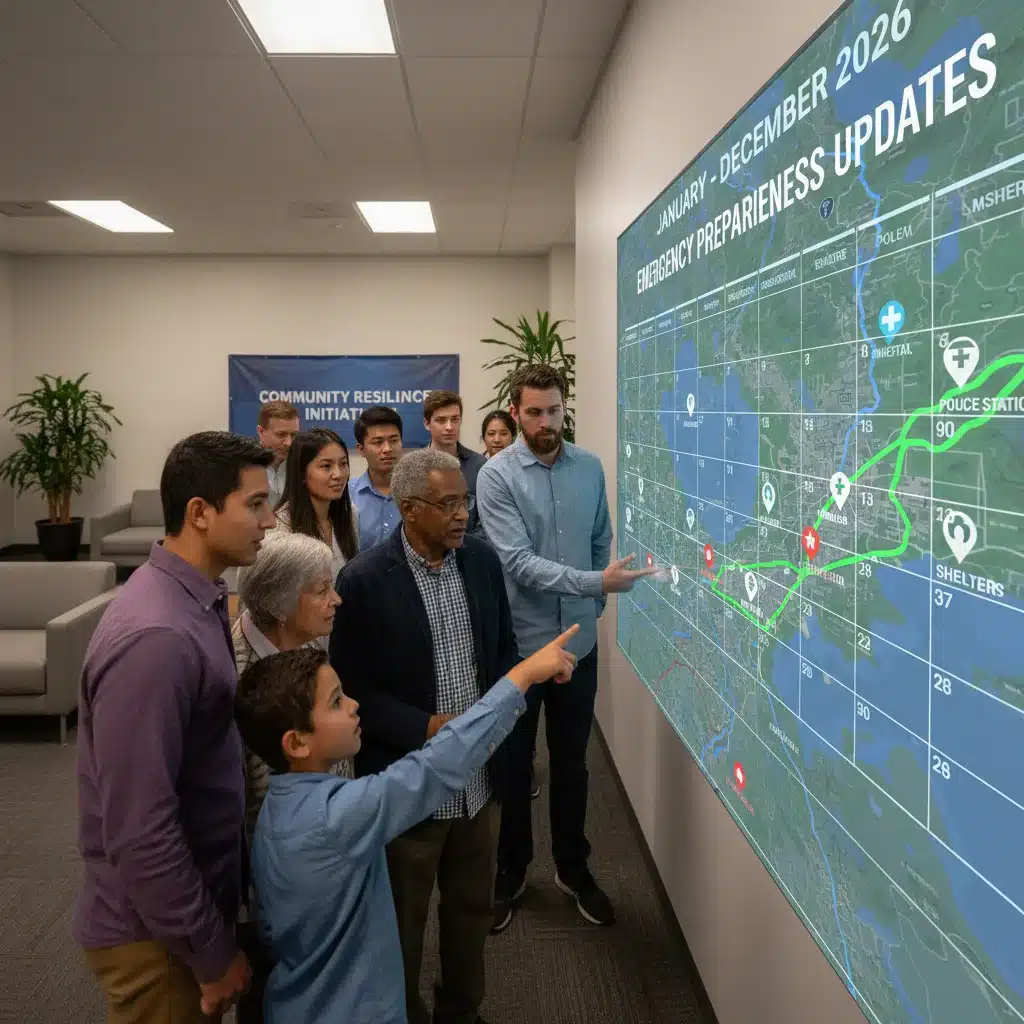
Navigating 2026 Emergency Service Updates: A 7-Step Guide for U.S. Residents on Accessing Critical Aid
The landscape of emergency services in the United States is constantly evolving, and 2026 is poised to bring significant changes that every resident needs to be aware of. These Emergency Service Updates 2026 are designed to enhance efficiency, improve response times, and ultimately save more lives. However, understanding and adapting to these new protocols is crucial for ensuring you and your loved ones can access critical aid when it matters most. This comprehensive 7-step guide will walk you through everything you need to know, from understanding the changes to proactive preparedness, empowering you to navigate the future of emergency response with confidence.
Understanding the Impending 2026 Emergency Service Updates
Before diving into the steps, it’s essential to grasp the fundamental shifts occurring with the Emergency Service Updates 2026. These changes are not merely administrative tweaks; they represent a concerted effort to modernize emergency response infrastructure, integrate advanced technologies, and standardize certain procedures across states. Key areas of focus include enhanced communication systems, optimized resource allocation, and potentially new protocols for specific types of emergencies, such as natural disasters or public health crises. The goal is to create a more resilient and responsive emergency framework that can effectively serve a diverse and growing population.
Many of these updates stem from lessons learned during recent national and global events, highlighting the need for more adaptable and interconnected emergency systems. For instance, there might be a stronger emphasis on digital platforms for reporting non-life-threatening incidents, freeing up traditional 911 lines for critical emergencies. Furthermore, expect to see initiatives promoting community-level preparedness and citizen involvement, recognizing that the first few minutes of any emergency are often the most crucial. Understanding these overarching themes will make the subsequent steps much clearer and more impactful as you prepare for the Emergency Service Updates 2026.
Step 1: Stay Informed and Monitor Official Announcements
The first and most critical step in preparing for the Emergency Service Updates 2026 is to actively seek out and monitor official information. Government agencies at federal, state, and local levels will be disseminating details about these changes as they are finalized and rolled out. Relying on unofficial sources can lead to misinformation and confusion, which is the last thing you need in an emergency situation.
Where to Find Reliable Information:
- Federal Emergency Management Agency (FEMA): FEMA is a primary source for national-level emergency preparedness and response guidelines. Their website will likely host comprehensive information regarding federal mandates and best practices related to the Emergency Service Updates 2026.
- State Emergency Management Agencies: Each state has its own emergency management agency (e.g., California Office of Emergency Services, Texas Division of Emergency Management). These agencies will provide state-specific details on how the federal changes are being implemented locally and any additional state-level protocols.
- Local Government Websites: Your city or county government website, particularly sections related to public safety, fire departments, police departments, and health services, will offer the most localized information. This is where you’ll find specifics about changes affecting your immediate community.
- Local News Outlets: Reputable local news organizations often work closely with emergency services to report on significant changes. Pay attention to public service announcements and special reports.
Subscribe to newsletters, follow official social media accounts, and regularly check the websites of these key organizations. Set calendar reminders to review updates periodically, perhaps quarterly, to ensure you don’t miss crucial announcements. Being proactive in gathering information is the cornerstone of effective preparation for the Emergency Service Updates 2026.
Step 2: Understand Changes to Emergency Call Procedures (911 and Alternatives)
One of the most significant aspects of the Emergency Service Updates 2026 could involve modifications to how emergency calls are handled. While 911 will remain the primary number for life-threatening emergencies, there may be new or expanded alternatives for non-emergency situations or specific types of aid. This is often done to alleviate the burden on 911 dispatchers, allowing them to focus on critical, immediate threats.
Potential Changes to Consider:
- Non-Emergency Numbers: Many communities already have 311 for non-emergency municipal services. The Emergency Service Updates 2026 might standardize or promote the use of such numbers for reporting issues like power outages, minor property damage, or non-urgent medical advice.
- Text-to-911 Expansion: Text-to-911 services have been expanding, offering a vital lifeline for individuals who are deaf, hard of hearing, speech impaired, or in situations where speaking is unsafe (e.g., domestic violence, active shooter). Expect further integration and public awareness campaigns around this service as part of the Emergency Service Updates 2026.
- Digital Reporting Platforms: For certain incidents that do not require immediate police, fire, or medical response (e.g., stolen bicycle, minor fender bender with no injuries), online reporting portals might become more prevalent. Familiarize yourself with these if they are introduced in your area.
- Reverse 911 and Emergency Alert Systems: Understand how your local authorities will communicate *to* you during emergencies. This includes knowing about tools like Wireless Emergency Alerts (WEA), the Emergency Alert System (EAS), and local Reverse 911 systems that call registered phones. Ensure your contact information is up-to-date with local services if required for these systems.
It’s crucial to learn the correct number or method for each type of situation. Misdialing or using the wrong channel can delay help. Keep a clear list of emergency (911) and non-emergency numbers readily accessible, especially for children or elderly family members. Practicing when and how to use these different channels is a vital part of preparing for the Emergency Service Updates 2026.
Step 3: Update Your Emergency Contact Information and Medical Records
In any emergency, first responders need quick access to critical information. The Emergency Service Updates 2026 will likely emphasize the importance of readily available personal data to facilitate faster and more effective aid. This includes not just who to call, but also vital medical details.
Key Information to Update and Organize:
- Emergency Contact List: Create a physical list and also ensure your phone’s ‘Medical ID’ or ‘Emergency Contacts’ feature is fully updated. Include names, relationships, and multiple contact numbers.
- Medical Information: Compile a concise summary of your and your family’s critical medical information. This should include:
- Allergies (especially to medications)
- Current medications (dosage and frequency)
- Pre-existing conditions (diabetes, heart conditions, asthma, etc.)
- Blood type (if known)
- Primary care physician’s contact information
- Insurance information
- Advance Directives/DNR (if applicable): If you have an advance directive or Do Not Resuscitate (DNR) order, ensure first responders are aware of its existence and location. Consider wearing a medical alert bracelet or necklace if you have complex medical needs.
- Pet Information: Include details about pets, their medical needs, and designated caregivers in case you are incapacitated.
Consider using a ‘Vial of Life’ kit or a similar system, which stores critical medical information in an easily accessible location (e.g., on your refrigerator door) for first responders. Regularly review and update this information, at least annually, or whenever there are significant changes to health or contacts. This proactive measure significantly aids emergency personnel, especially with the streamlined processes expected from the Emergency Service Updates 2026.
Step 4: Familiarize Yourself with Local Emergency Resources and Facilities
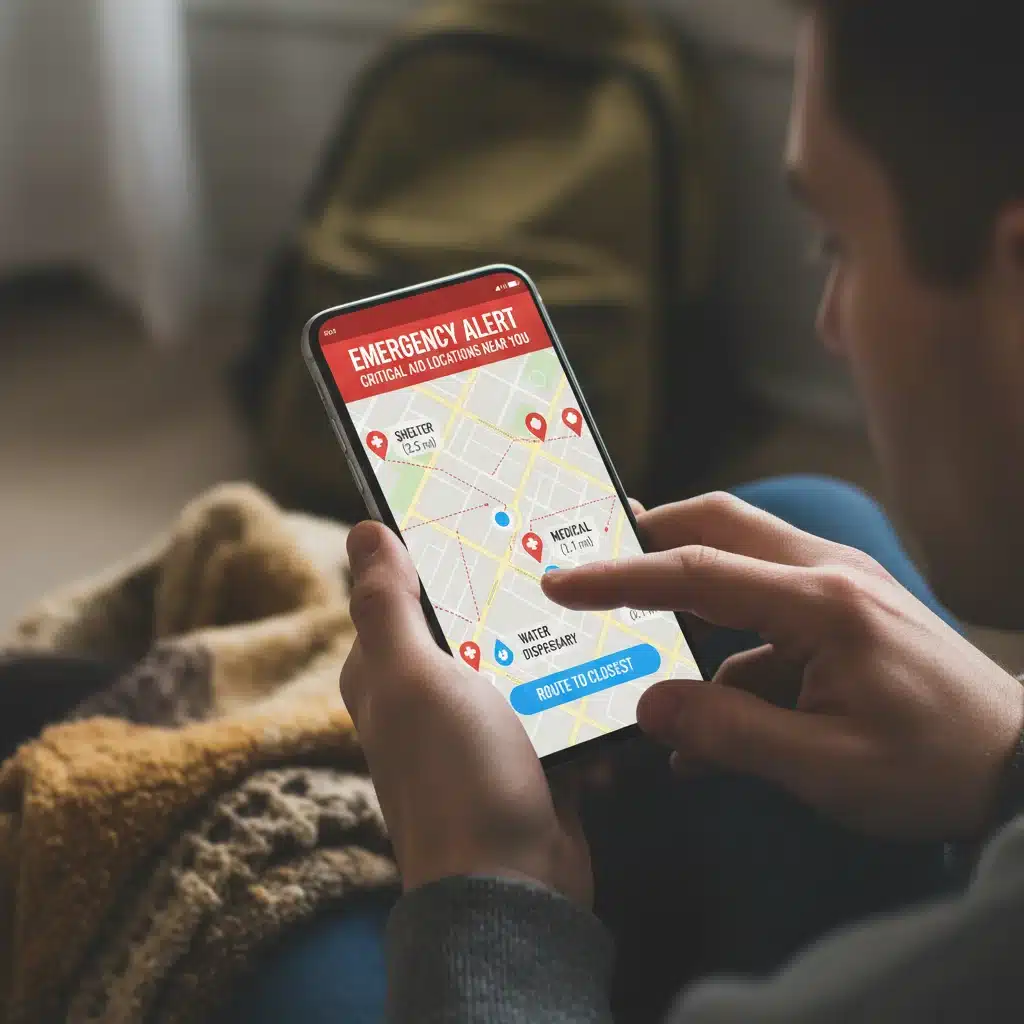
Knowing where to go and what resources are available in your immediate vicinity is paramount. The Emergency Service Updates 2026 might involve changes to the designation of certain facilities or the establishment of new critical aid centers. Don’t wait for an emergency to discover these vital locations.
What to Map Out and Understand:
- Hospitals and Urgent Care Centers: Identify the closest hospitals with emergency rooms and urgent care facilities. Understand their specialties, if any, and their general operating procedures.
- Designated Shelters: In areas prone to natural disasters, know the locations of official emergency shelters. Understand the protocols for evacuation and entry into these shelters.
- Community Aid Centers: Some communities have centers that provide specific aid during crises, such as food banks, distribution points for water, or mental health support services. The Emergency Service Updates 2026 may highlight new or expanded roles for these centers.
- Local Fire and Police Stations: While not typically points of public access for aid, knowing their locations can be reassuring and helps in understanding response logistics.
- AED Locations: Publicly accessible Automated External Defibrillators (AEDs) can be life-saving. Many apps and websites map these locations. Familiarize yourself with them in places you frequent.
Use online mapping tools, local government websites, and community bulletins to compile this information. Consider creating a physical map with these locations marked, especially if digital services might be unavailable during a power outage. This local knowledge is a powerful tool in navigating the potential impacts of the Emergency Service Updates 2026.
Step 5: Review and Update Your Family Emergency Plan
A well-rehearsed family emergency plan is your best defense against chaos during a crisis. The Emergency Service Updates 2026 underscore the need for flexible and comprehensive plans that account for new communication methods and resource access points. If you don’t have a plan, now is the time to create one. If you do, it’s time for a thorough review and update.
Key Components of Your Family Emergency Plan:
- Communication Plan: How will your family communicate if separated? Designate an out-of-state contact person whom all family members can call or text if local lines are down. Establish a meeting point outside your home for immediate emergencies and a secondary meeting point outside your neighborhood for larger-scale events.
- Evacuation Routes: Plan multiple routes out of your home, neighborhood, and city. Practice these routes.
- Shelter-in-Place Procedures: Understand when and how to shelter in place, including having a designated safe room and supplies.
- Emergency Kit: Build and maintain a comprehensive emergency kit (go-bag) with at least three days’ worth of food, water, first-aid supplies, medications, flashlights, batteries, a hand-crank radio, copies of important documents, and cash. The Emergency Service Updates 2026 might influence specific items to include, such as advanced communication devices.
- Practice Drills: Regularly practice your plan with all family members, including children. This helps identify weaknesses and ensures everyone knows their role.
Incorporate the information learned from the Emergency Service Updates 2026 into your plan. For example, if new digital reporting methods are introduced, ensure family members know how to use them. A well-practiced plan reduces panic and improves response effectiveness.
Step 6: Participate in Community Preparedness Programs
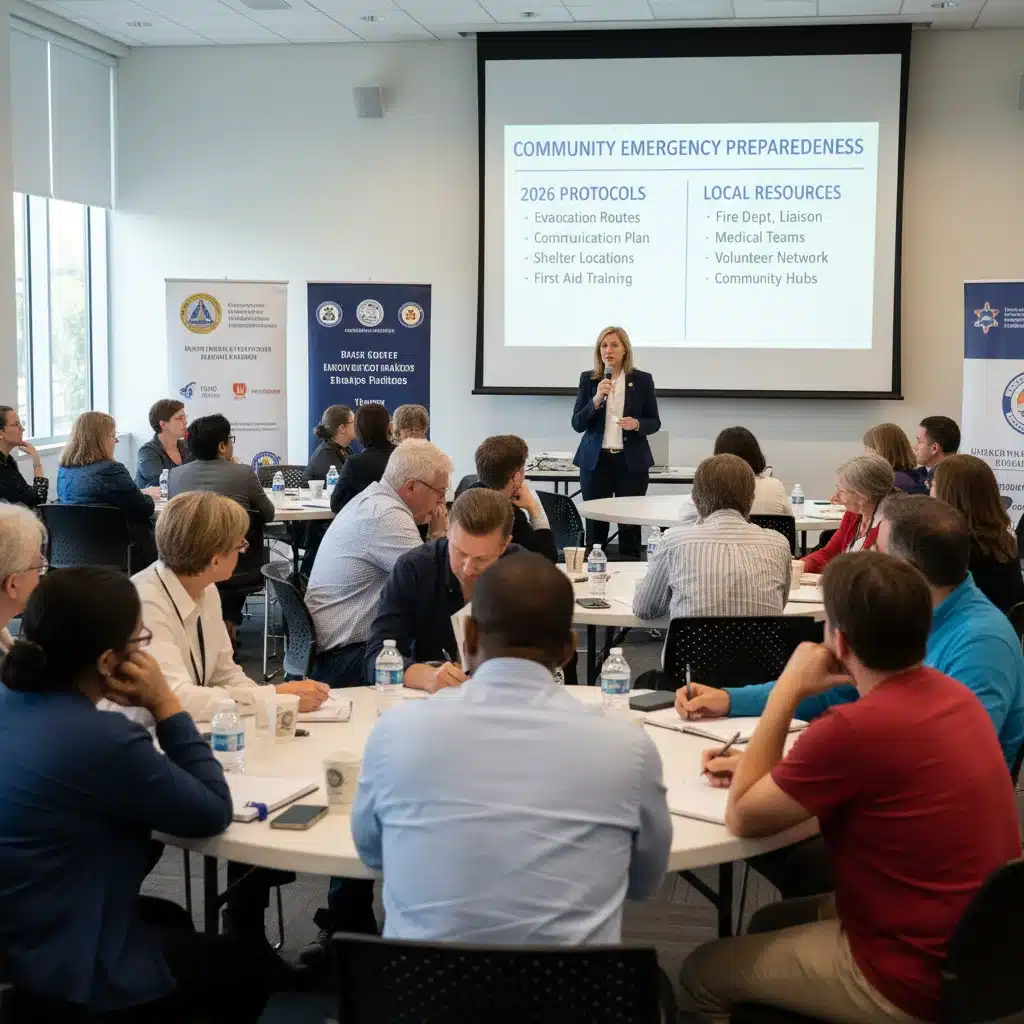
Individual preparedness is vital, but community-level resilience is equally important. Many communities offer programs and workshops designed to educate residents on emergency preparedness. Engaging with these initiatives is an excellent way to learn about the Emergency Service Updates 2026 directly from local experts and connect with your neighbors.
Opportunities for Community Engagement:
- CERT (Community Emergency Response Team) Training: CERT programs educate volunteers about disaster preparedness for hazards that may impact their area and train them in basic disaster response skills, such as fire safety, light search and rescue, team organization, and disaster medical operations. These skills are invaluable and complement the objectives of the Emergency Service Updates 2026.
- First Aid and CPR Courses: Knowing basic first aid and CPR can be life-saving before professional help arrives. Many local organizations (e.g., American Red Cross, local hospitals) offer these courses.
- Local Workshops and Seminars: Keep an eye out for free workshops hosted by your city, county, fire department, or health department on various emergency topics, including specific information about the Emergency Service Updates 2026.
- Neighborhood Watch Programs: These programs can be a crucial link in disseminating information and coordinating local responses during emergencies.
Participating in these programs not only enhances your personal readiness but also strengthens the overall resilience of your community. It’s an opportunity to ask questions, share concerns, and contribute to a safer environment for everyone as the Emergency Service Updates 2026 come into effect.
Step 7: Advocate for Continued Improvements and Provide Feedback
The Emergency Service Updates 2026 are not the final word in emergency preparedness; they are part of an ongoing process. As a U.S. resident, your feedback and advocacy play a crucial role in shaping future improvements and ensuring that emergency services effectively meet the needs of the population. After the updates roll out, pay attention to their effectiveness and be prepared to offer constructive input.
How to Engage and Advocate:
- Provide Feedback: If your local government or emergency services agencies establish channels for public feedback on the new protocols, utilize them. Share your experiences, both positive and negative, regarding the implementation and effectiveness of the Emergency Service Updates 2026.
- Contact Elected Officials: Reach out to your local city council members, county commissioners, state representatives, and even federal legislators. Express your concerns, suggest improvements, and advocate for continued funding and resources for emergency services.
- Support Emergency Service Personnel: Show appreciation for the dedicated individuals who serve on the front lines. Their work is often challenging, and public support can be a powerful motivator for continued excellence, especially as they adapt to the Emergency Service Updates 2026.
- Stay Engaged Long-Term: Emergency preparedness is not a one-time task. Continue to stay informed, participate in community efforts, and advocate for policies that prioritize public safety and emergency readiness.
Your active participation ensures that the voices of residents are heard, contributing to a more responsive, efficient, and equitable emergency service system for everyone, both now and well beyond the Emergency Service Updates 2026.
Conclusion: Proactive Preparedness for 2026 and Beyond
The upcoming Emergency Service Updates 2026 represent a significant evolution in how critical aid is accessed and delivered across the U.S. While change can sometimes feel daunting, these updates are ultimately designed to improve our collective safety and resilience. By following this 7-step guide – staying informed, understanding new call procedures, updating personal information, mapping local resources, refining your family plan, engaging with your community, and advocating for ongoing improvements – you can confidently navigate these changes.
Proactive preparedness is not just about reacting to emergencies; it’s about building a foundation of knowledge and resources that empowers you to act decisively and effectively when every second counts. Don’t wait for an emergency to strike; begin your preparation today. Your diligence in understanding and adapting to the Emergency Service Updates 2026 will not only protect you and your family but also contribute to a stronger, safer community for all U.S. residents.