Mastering Your Emergency Fund: Secure 6 Months of Living Expenses by 2026
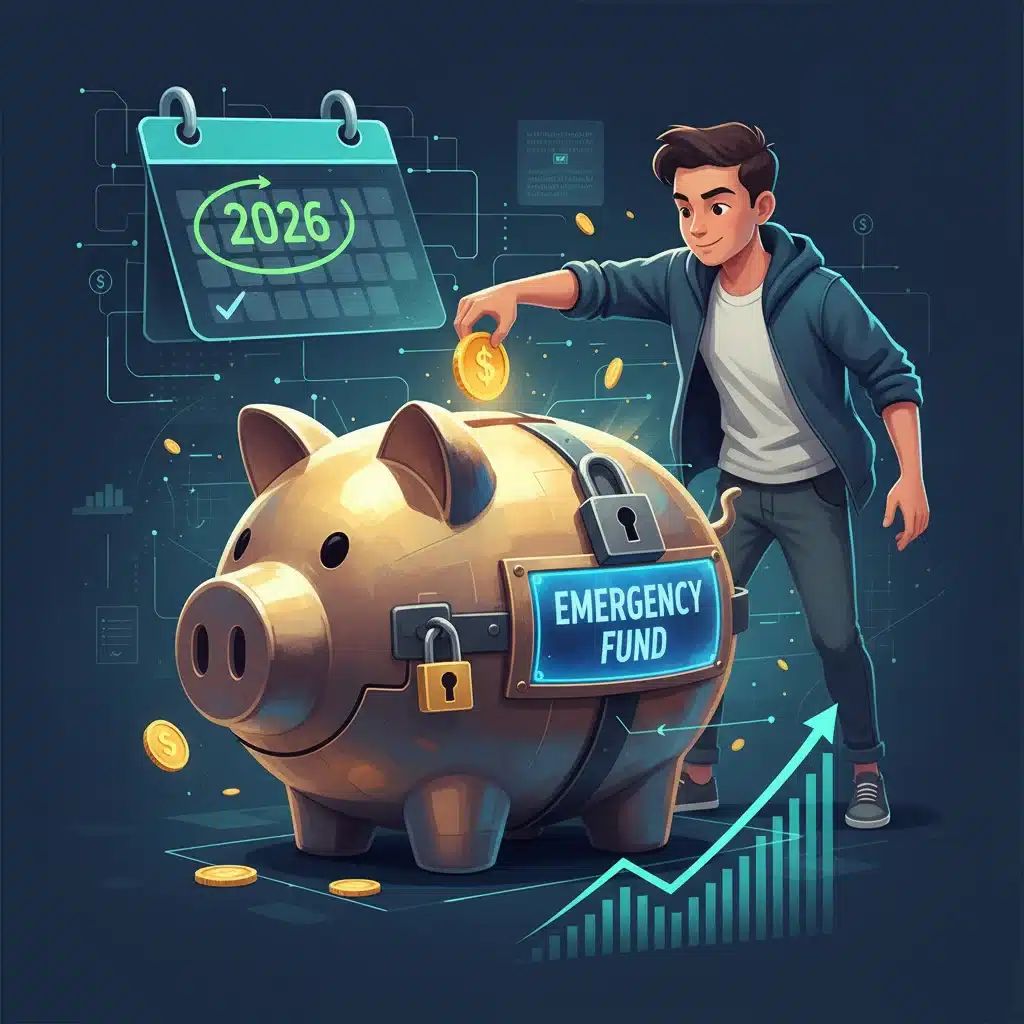
In an unpredictable world, financial stability is not just a luxury; it’s a necessity. The cornerstone of this stability is a robust emergency fund. Picture this: a safety net strong enough to catch you if you lose your job, face an unexpected medical bill, or encounter a major car repair. This isn’t just about surviving; it’s about thriving through life’s curveballs without derailing your long-term financial goals. Our ambitious yet achievable target? To help you secure emergency fund covering six months of living expenses by mid-2026. This comprehensive guide will break down the ‘why’ and ‘how,’ providing you with actionable strategies to build, grow, and protect your financial fortress.
The Indispensable Value of an Emergency Fund
Before we dive into the nuts and bolts of building your fund, let’s solidify our understanding of its critical importance. An emergency fund is your financial first responder. It’s the buffer that prevents minor inconveniences from escalating into major financial crises. Without one, an unexpected expense can force you into high-interest debt, liquidate investments prematurely, or delay crucial life milestones. With a well-funded reserve, you gain peace of mind, flexibility, and the power to make rational decisions during stressful times.
Defining Your Six-Month Goal: What Does It Really Mean?
The recommendation to secure emergency fund equivalent to three to six months of living expenses is a common financial mantra, but what exactly does ‘living expenses’ entail for you? This isn’t just about your rent or mortgage. It includes utilities, groceries, transportation, insurance premiums, debt payments (minimums), and any other non-negotiable monthly outlays. The ‘six-month’ target provides a substantial cushion, especially valuable in today’s dynamic economic landscape where job searches can extend beyond a few weeks. By mid-2026, having this level of security will empower you immensely.
To begin, meticulously track your expenses for a month or two. Categorize everything. Distinguish between essential expenses (needs) and discretionary spending (wants). Once you have a clear picture of your average monthly essential expenditures, multiply that figure by six. This is your target number. For example, if your essential monthly expenses total $3,000, your goal is to accumulate $18,000. This clear, quantifiable goal is the first step towards successfully building your secure emergency fund.
Phase 1: Assessing Your Current Financial Landscape
Step 1: Calculate Your Monthly Living Expenses
This is the foundational step. As mentioned, gather bank statements, credit card bills, and receipts from the last few months. Use a spreadsheet or a budgeting app to categorize every single outgoing payment. Be brutally honest about what constitutes an ‘essential’ expense. While your daily latte might feel essential, it’s likely discretionary when you’re focusing on building a secure emergency fund. The goal here is to identify the bare minimum you need to survive comfortably for a month.
Consider these categories:
- Housing: Rent/mortgage, property taxes, homeowner’s insurance
- Utilities: Electricity, gas, water, internet, cell phone
- Food: Groceries (not dining out)
- Transportation: Car payment, insurance, fuel, public transport
- Healthcare: Insurance premiums, necessary prescriptions
- Minimum Debt Payments: Credit cards, student loans, personal loans
- Other Essentials: Childcare, essential subscriptions (e.g., life insurance)
Add these up to get your core monthly survival number. This figure is crucial for setting your ultimate six-month target.
Step 2: Evaluate Your Current Savings
Where are you starting from? Do you have any existing savings that could be allocated to your emergency fund? Be realistic. If you have a separate savings account for a down payment on a house, think carefully before reallocating it. The emergency fund should be distinct and readily accessible for its intended purpose. If you have no savings, don’t despair! Many people start from zero. The important thing is to start now.
Step 3: Identify Income Sources and Stability
Understand your income. Is it stable? Do you have multiple income streams? This assessment helps determine how aggressively you need to save and how long it might take to reach your goal. If your income is variable, building a larger emergency fund (perhaps closer to eight or twelve months) might be a more prudent strategy to truly secure emergency fund for your situation.
Phase 2: Crafting Your Savings Strategy
Step 4: Setting a Realistic Timeline and Monthly Savings Goal
With your target amount in hand, let’s work backward from mid-2026. This gives us approximately 2.5 years (30 months) from late 2023 to achieve our goal. If your target is $18,000, you’ll need to save $600 per month ($18,000 / 30 months). Is this realistic for your budget? If not, you might need to adjust your timeline, increase your income, or cut expenses more aggressively. The key is consistency.
Step 5: Automate Your Savings
This is perhaps the most powerful tool in your arsenal. Set up an automatic transfer from your checking account to a dedicated emergency fund savings account each payday. Treat this transfer like a non-negotiable bill. Out of sight, out of mind (in a good way!). Automation removes the temptation to spend the money and ensures consistent progress towards your goal to secure emergency fund.
Step 6: Implement a Budgeting System That Works For You
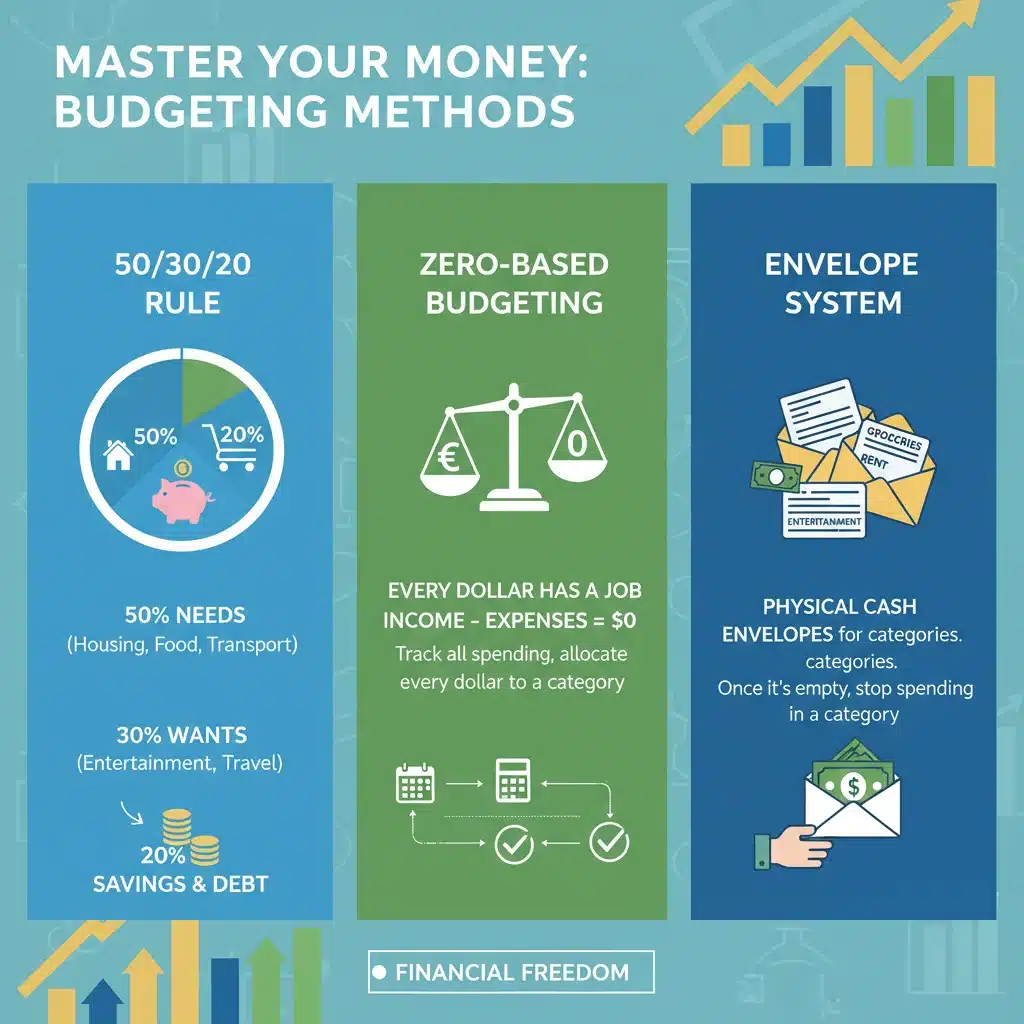
Budgeting isn’t about restriction; it’s about intentional spending. There are numerous methods:
- The 50/30/20 Rule: 50% needs, 30% wants, 20% savings/debt repayment. This is a great starting point for many.
- Zero-Based Budgeting: Every dollar has a job. You allocate all your income to expenses, savings, or debt repayment until your balance is zero.
- Envelope System: For cash spenders, physically allocating cash into categories.
Experiment to find what resonates with your financial habits and helps you consistently allocate funds to secure emergency fund.
Phase 3: Accelerating Your Emergency Fund Growth
Step 7: Cut Unnecessary Expenses Ruthlessly
Review your discretionary spending. Can you reduce subscriptions you rarely use? Cook more at home? Limit impulse purchases? Every dollar saved from ‘wants’ can be redirected to your emergency fund. Think creatively about where you can trim the fat without feeling deprived. For instance, instead of completely cutting out dining out, aim for one meal out a month instead of four. These small changes accumulate rapidly.
Step 8: Boost Your Income
Sometimes, cutting expenses isn’t enough, or there’s simply nothing left to cut. This is where increasing your income comes into play. Consider:
- Side Hustles: Freelancing, ride-sharing, dog walking, selling crafts online.
- Selling Unused Items: Declutter your home and sell items on platforms like eBay, Facebook Marketplace, or local consignment shops.
- Asking for a Raise: If you’re performing well at your current job, prepare a case for a raise.
- Temporary Gigs: Take on extra shifts or temporary contract work.
Even an extra $100-$200 a month can significantly accelerate your progress to secure emergency fund.
Step 9: Direct Windfalls to Your Fund
Tax refunds, bonuses, inheritances, gifts – these unexpected sums are perfect candidates for your emergency fund. Resist the urge to splurge and instead, funnel a significant portion (or all) of these windfalls directly into your savings. This is one of the fastest ways to jumpstart or significantly boost your fund.
Phase 4: Where to Keep Your Emergency Fund
The location of your emergency fund is almost as important as its existence. It needs to be:
- Liquid: Easily accessible without penalties.
- Safe: Protected from market fluctuations.
- Separate: Not commingled with your everyday checking account.
High-Yield Savings Accounts (HYSAs)
This is the gold standard for emergency funds. HYSAs offer significantly higher interest rates than traditional savings accounts, meaning your money grows (slowly but surely) even as it sits there. Look for online banks that typically offer the best rates and have no monthly fees or minimum balance requirements. Ensure the account is FDIC-insured (up to $250,000 per depositor, per institution) for maximum safety. This is an ideal place to secure emergency fund.
Money Market Accounts
Similar to HYSAs, money market accounts offer competitive interest rates and easy access. They might come with check-writing privileges or a debit card, but also sometimes have higher minimum balance requirements or transaction limits. Compare options to see if one suits you better.
Avoid These Locations for Your Emergency Fund:
- Checking Accounts: Too easy to spend, and typically offer negligible interest.
- Investment Accounts (Stocks, Bonds, Mutual Funds): Subject to market volatility. You don’t want to be forced to sell investments at a loss during a downturn just to cover an emergency.
- CDs (Certificates of Deposit): While offering good interest, they lock up your money for a fixed term, making it difficult to access without penalty during an actual emergency.

Phase 5: Maintaining and Protecting Your Emergency Fund
Regular Review and Adjustment
Life changes, and so do your expenses. Review your emergency fund target annually, or whenever a major life event occurs (marriage, divorce, new baby, job change). Your six-month living expenses might increase or decrease, and your fund should reflect that to truly secure emergency fund for your current situation.
Resist the Urge to Dip Into It (Unless It’s a True Emergency)
This fund is for emergencies only. A ‘sale’ on a new gadget is not an emergency. A true emergency is something unexpected, necessary, and urgent that would cause significant financial hardship if not addressed. Be disciplined. If you do have to use a portion of it, make replenishing it your top financial priority immediately.
Financial Security Beyond the Emergency Fund
While building a secure emergency fund is paramount, remember it’s one piece of a larger financial puzzle. Once your fund is robust, you can then shift focus or simultaneously work on other goals:
- Debt Repayment: Tackle high-interest debts like credit card balances.
- Retirement Savings: Contribute to your 401(k), IRA, or other retirement vehicles.
- Long-Term Investments: Build wealth through diversified investments.
- Specific Savings Goals: Save for a down payment, education, or a major purchase.
An emergency fund provides the stability to pursue these other goals without fear of being derailed by unforeseen circumstances.
Common Pitfalls to Avoid When Building Your Emergency Fund
Even with the best intentions, people sometimes stumble. Being aware of these common pitfalls can help you stay on track to secure emergency fund:
1. Underestimating Your Expenses
It’s easy to forget those irregular but necessary expenses like annual car registration, semi-annual insurance payments, or holiday spending. When calculating your monthly living expenses, try to factor in these less frequent costs by dividing their annual total by 12 and adding that to your monthly figure. A more accurate picture of your actual needs prevents you from building an insufficient fund.
2. Lack of a Dedicated Account
Keeping your emergency savings in your regular checking account is a recipe for disaster. The money is too easily accessed and often gets spent on non-emergencies. A separate, dedicated high-yield savings account is crucial for both psychological separation and growth.
3. Not Automating Savings
Relying on willpower alone to transfer money each month often leads to inconsistency. Life gets busy, and saving can fall by the wayside. Automating your transfers ensures that your fund grows steadily without you having to actively think about it every payday.
4. Using the Fund for Non-Emergencies
This is a major setback. It’s tempting to dip into the fund for a great sale, a vacation, or a new gadget. But doing so undermines its purpose. Clearly define what constitutes an emergency for you and stick to those rules. If you use it, prioritize replenishing it immediately.
5. Getting Discouraged by Slow Progress
Building a six-month emergency fund can feel like a marathon, not a sprint. There will be months where progress feels slow. Don’t get discouraged! Celebrate small milestones, like reaching your first $1,000 or one month’s expenses. Consistency over time is what truly matters.
6. Forgetting to Review and Adjust
Your life, income, and expenses are not static. What constituted six months of living expenses five years ago might be drastically different today. Make it a habit to review your fund’s target amount annually or after any significant life change to ensure it remains adequate.
The Psychological Benefits of a Robust Emergency Fund
Beyond the tangible financial security, a strong emergency fund offers immense psychological benefits. Knowing you have a buffer against unexpected events reduces stress and anxiety. It gives you:
- Peace of Mind: The ability to sleep soundly, knowing you’re prepared for most financial surprises.
- Freedom: The freedom to leave a toxic job, pursue further education, or take calculated risks without the immediate pressure of financial ruin.
- Better Decision-Making: You’re less likely to make desperate financial choices (like taking out high-interest loans) when an emergency strikes.
- Confidence: A sense of control over your financial life, empowering you to pursue other financial goals more aggressively.
These intangible benefits are often just as valuable as the money itself, reinforcing the importance of our goal to secure emergency fund by mid-2026.
Mid-2026: Your Financial Security Checkpoint
As we approach mid-2026, take stock of your progress. Have you reached your six-month goal? If so, congratulations! You’ve achieved a significant financial milestone. If not, don’t view it as a failure, but as an opportunity to reassess and refine your strategy. Financial journeys are rarely linear. The important thing is the continuous effort and commitment to your financial well-being.
Use this checkpoint to:
- Review your expenses again: Have they changed since you last calculated?
- Evaluate your savings rate: Can you increase it?
- Explore additional income opportunities: Are there new side hustles or skills you can leverage?
- Consider optimizing your fund’s location: Are you still getting the best interest rates on your HYSA?
Conclusion: Your Path to Financial Resilience
Building and maintaining a secure emergency fund of six months’ living expenses by mid-2026 is an ambitious but entirely achievable goal. It requires discipline, strategic planning, and consistent effort. By meticulously calculating your expenses, automating your savings, cutting unnecessary spending, and boosting your income, you can steadily build this vital financial safety net.
Remember, this fund isn’t just about money; it’s about buying peace of mind, flexibility, and the power to navigate life’s inevitable challenges with confidence. Start today, stay consistent, and by mid-2026, you’ll be celebrating a significant step towards ultimate financial resilience and freedom. Your future self will thank you for taking the time to secure emergency fund.