Don’t Trip Up: Common Blunders in Managing Your Essential Services
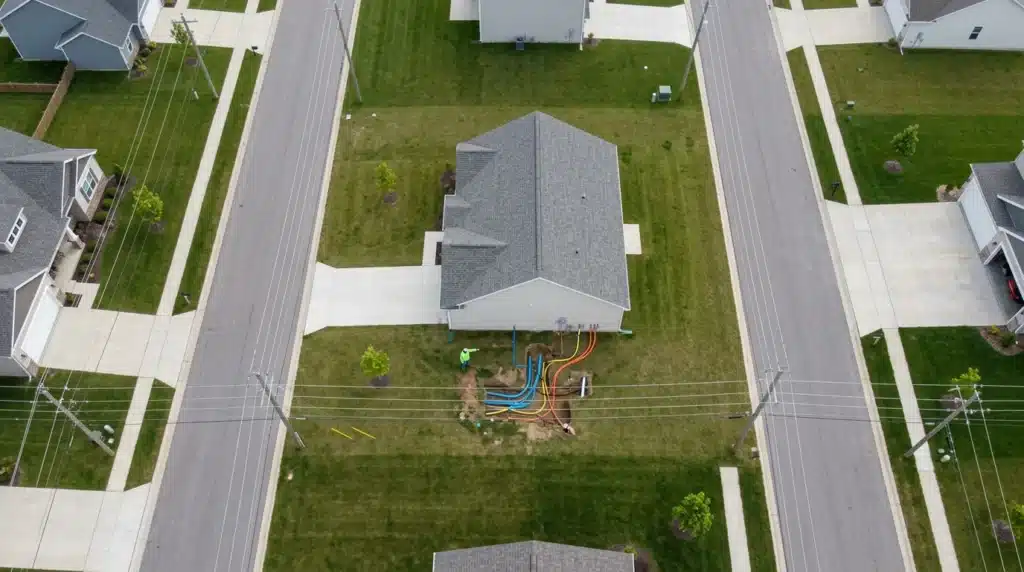
Setting up required services in a new home often feels like the final, tedious step before you can settle in. But what if this administrative hurdle is actually a minefield of hidden costs and long-term financial traps? Many residents, eager to get their lights, water, and internet running, rush through the process, unknowingly making mistakes that can cost them hundreds, if not thousands, of dollars over time. These aren’t complex errors; they are simple oversights born from assumption and a lack of awareness.
The systems governing utilities and services are rarely designed with consumer clarity in mind. Providers often rely on customer inertia, complex tiered pricing, and fine print to maximize their profits. From promotional rates that silently expire to mysterious “administrative fees” that appear on your bill, the landscape is built to catch the inattentive off guard. This isn’t just about the initial setup; it’s an ongoing challenge of managing plans, scrutinizing bills, and understanding your rights in a system that can feel overwhelmingly opaque.
Is your “set it and forget it” approach to your internet plan secretly draining your bank account? Are you sure your first utility bill in a new apartment didn’t include charges from the previous tenant? This guide will illuminate the most common blunders people make when managing their primary services. We will provide a clear playbook for navigating everything from initial setup complexities and deceptive billing practices to emergency preparedness and knowing when to renegotiate your contracts. By the end, you’ll be equipped to turn these potential financial liabilities into opportunities for savings.
Underestimating Setup Complexities: More Than Just Turning It On
Moving into a new place is exciting, but the administrative side of setting up utilities can quickly become a headache. Many people assume it’s as simple as making a phone call and flipping a switch. The reality is far more involved. A surprising number of residents trip over hurdles they never saw coming, leading to delays, unexpected fees, and a frustrating start in their new home.
The underrated factor here is that utility setup is your first major administrative test in a new location. Getting it wrong can have a domino effect on your budget and comfort. Think of it like setting up a new computer; just because you plug it in doesn’t mean all the software and drivers are correctly installed and configured for your specific needs.
Ignoring Service Area Restrictions and Provider Choices
One of the most common mistakes is assuming your preferred internet or electricity provider will be available at your new address. Utility companies operate in specific, sometimes overlapping, territories. Your friend living just two miles away might have a completely different set of options. Forgetting to verify this is like ordering from a favorite restaurant on a delivery app only to find your new home is outside its zone.
Before you even pack a box, your first step should be to identify which companies service your exact address. A study from the American Customer Satisfaction Index (ACSI) found that customer satisfaction with internet service providers drops by an average of 12% when consumers feel they lack choice. Taking the time to research your options is a key part of navigating public utilities effectively. This small bit of homework can save you from being locked into a contract with a provider you don’t like.
The Hidden Costs of Expedited Services
Procrastination is expensive. Waiting until the day before your move to schedule electricity, gas, or water connections almost always forces you to pay for expedited service. These fees can be substantial—some utility companies charge upwards of $75 or even $150 for same-day or next-day activation. This is an easily avoidable expense that eats into your moving budget.
These last-minute charges are pure profit for the utility company and a pure loss for you. To avoid this trap, you should start the setup process at least two weeks before your move-in date. Proper planning is a cornerstone of managing your money and prevents these unnecessary costs from piling up. Before you finalize any connection, make sure you have a clear list of requirements:
- Pre-Connection Checklist: Have your Social Security number, a government-issued ID, and your new lease or proof of ownership ready. Some providers may also require a security deposit, especially if you have a limited credit history.
- Post-Setup Verification: Once services are active, check that your internet speeds match what you’re paying for. Take a picture of your electric and water meter readings to ensure your first bill starts from the correct point—not the previous tenant’s usage.
Successfully integrating these necessary services without overpaying requires foresight. These initial steps lay the groundwork for a smooth and financially sound experience in your new home.
Overlooking Billing Details: The Costly Fine Print
After successfully setting up your utilities, the first bills arrive. It’s tempting to glance at the total, pay it, and move on. Many people do just that. But this simple oversight can cost you a surprising amount of money over time. Research from consumer advocacy groups suggests that billing errors are far from rare, with some reports indicating that as many as 8% of utility statements contain mistakes ranging from minor miscalculations to significant overcharges. Diligently reviewing your bills isn’t just about catching errors; it’s a underlying step in crafting your financial security blueprint.
Think of your utility statement as a monthly financial health report for your home’s consumption. Ignoring it is like ignoring a strange noise from your car’s engine—it might be nothing, but it could also signal a serious problem that gets more expensive the longer you wait.
Misinterpreting Usage Charges and Tiered Pricing
One of the most confusing parts of any electricity or gas bill is the tiered pricing structure. Utility companies often don’t charge a flat rate for what you use. Instead, they bill in blocks or “tiers.” For example, the first 500 kilowatt-hours (kWh) of electricity might cost $0.12 per kWh, but every kWh used beyond that could jump to $0.18. This is how a few extra days of running the air conditioner can lead to a disproportionately higher bill.
This system can feel counterintuitive. Why does the price per unit go up the more you use? It’s often designed to encourage conservation. The underrated factor here is that most people don’t realize this until they get a shockingly high bill. Understanding your provider’s specific tiers—usually detailed in the fine print of your bill or on their website—is the only way to anticipate and manage these costs effectively, especially during peak seasons.
The Trap of Auto-Pay Without Oversight
Automatic payments are undeniably convenient. They prevent late fees and remove the mental burden of remembering due dates. The problem is that their “set it and forget it” nature breeds complacency. When you don’t manually review and pay a bill, you are far less likely to notice a sudden price hike, a new fee, or a charge for a service you no longer use. This is a common pitfall for even the most organized individuals.
I suspect thousands of dollars are lost collectively each year to what I call “auto-pay apathy.” Consider the case of a family in Chicago who continued to be auto-billed a $12.99 monthly equipment rental fee for nearly two years after returning their internet router—a total loss of over $311. A simple solution is to keep auto-pay enabled but set a recurring calendar reminder to spend five minutes reviewing the digital statement before the payment date. This simple habit is a core tenet of any good personal finance strategy.
Identifying and Disputing Incorrect Fees
Beyond usage miscalculations, utility bills can be littered with incorrect fees. Scrutinizing the line items is required. You’re looking for anything that seems out of place, such as late payment charges when you paid on time, duplicate service charges, or mysterious “miscellaneous administrative fees” that weren’t there last month. A powerful technique is to compare your current bill side-by-side with the previous month’s statement.
This is your first line of defense. Any new or inflated charge should immediately raise a red flag.
Gathering Evidence for Billing Disputes
Once you’ve spotted a potential error, you need to build a case before contacting customer service. Simply calling and saying “my bill is too high” is rarely effective. Instead, you must approach the process with organized evidence. According to consumer rights experts, a documented approach dramatically increases the likelihood of a successful resolution.
- Pinpoint the Error: Identify the exact line item(s) you are disputing. Have the bill in front of you with the charge highlighted.
- Gather Your Proof: This is the most important step. Your evidence could include a photo of your meter on a specific date, a copy of an email confirming a service cancellation, or a bank statement showing a payment was made on time.
- Create a Communication Log: Document every interaction. Note the date, time, the name of the representative you spoke with (and their ID number, if possible), and a summary of the conversation. This log is invaluable if you need to escalate the issue.
This methodical approach transforms you from a frustrated customer into a prepared advocate for your own finances. Having this information ready makes it easier for a customer service agent to help and shows you’re serious—something that can make all the difference. For more detailed information on provider specifics, our guide to US public utilities offers a deeper look.
A simple leaky faucet dripping at the rate of one drip per second can waste more than 3,000 gallons of water per year.
— U.S. Environmental Protection Agency
| Common Blunder | Proactive Solution |
|---|---|
| Assuming a preferred provider is available at a new address. | Use online tools to verify which companies service your exact address at least two weeks before moving. |
| Accepting auto-pay without reviewing the statement. | Keep auto-pay enabled, but set a calendar reminder to review the digital bill for errors or new fees before the payment date. |
| Ignoring gradual wear and tear on home systems. | Perform a quarterly walk-through to check for small water leaks, frayed cords, and other potential hazards. |
| Letting promotional service plans expire and auto-renew at a higher rate. | Set a calendar alert one month before your introductory offer ends to renegotiate your plan or switch providers. |
Neglecting Maintenance and Emergency Preparedness
Once your lights are on and the water is running, it’s tempting to adopt a “set it and forget it” mindset. This is a common and costly mistake. The infrastructure that delivers these services to and within your home requires occasional attention to prevent small issues from becoming major disasters. Ignoring routine maintenance is like driving a car without ever checking the oil—eventually, something is going to break down, and likely at the worst possible time.
Skipping Routine Checks: Water Leaks and Electrical Hazards
The most frequent problems often hide in plain sight. A slow drip under the kitchen sink or a frayed cord behind the television can seem minor, but they represent significant risks. According to the Environmental Protection Agency, a simple leaky faucet dripping at the rate of one drip per second can waste more than 3,000 gallons of water per year. That’s a lot of wasted money and resources.
Make it a habit to perform a quarterly walk-through. Check under all sinks for moisture, inspect appliance hoses for cracks, and look for discoloration on walls or ceilings that could indicate a hidden leak. For electrical systems, check for overloaded outlets and ensure cords are not pinched or running under rugs. But how often do you really inspect the outlet behind your heavy bookcase? Taking 30 minutes for these checks is a small investment that protects your home and wallet, forming a core part of your primary guide to US services.
This isn’t about becoming a professional plumber or electrician; it’s about early detection.
Your Emergency Kit: More Than Just Flashlights
Having a plan for service interruptions is just as important as preventative maintenance. A power outage or a burst pipe can happen without warning. While most people have a flashlight, a effective emergency kit goes much further. It’s a key component of your household’s overall financial security blueprint.
Your kit should contain essentials to last at least 72 hours, including non-perishable food, water (one gallon per person per day), a hand-crank radio, and a first-aid kit. Crucially, it must also include a communication plan. Who do you call first? Having a list of important numbers printed and stored in a waterproof bag—because your phone might be dead—is critical. This includes utility companies, a trusted plumber or electrician, and your insurance agent.
Emergency Contact Quick Guide
| Situation | Who to Call First | When to Call 911 |
|---|---|---|
| Smell of Gas | Your gas utility’s emergency line (from a safe location) | Immediately, after leaving the house |
| Power Outage | Your electric company’s outage reporting line | Only if there’s a direct threat like a downed wire sparking |
| Major Water Leak | A licensed plumber (after shutting off your main water valve) | Only if flooding poses an electrical hazard or structural risk |
Keeping these plans in order doesn’t just provide peace of mind; it frees up your mental energy to focus on bigger things. With home stability secured, you can put more effort toward goals like advancing in your career.
Ignoring Your Rights as a Service Consumer
One of the most common and costly mistakes is passively accepting whatever your service provider dictates. Many people treat a bill or a service disruption as an unchangeable fact, but you have legally protected rights. What most people miss is that service providers have specific obligations they must meet. Are you aware of what they owe you?
Failing to contest an incorrect charge is like leaving money on the table. A report from the Consumer Federation of America suggested that nearly 35% of consumers who spot a billing error don’t dispute it, often due to confusion about the process. Learning how to manage these issues is a key part of mastering your money and ensuring you only pay for what you use.
Your first step should always be to contact the provider directly — calmly and with documentation. Think of it less like a fight and more like clarifying a simple mistake in a restaurant order. If that fails, you can escalate the issue. Every state has a Public Utility Commission (PUC) or a similar body that regulates required services and handles formal complaints against providers.
This process is outlined in your customer agreement (the document most of us scroll past). Taking a few minutes to understand the complaint procedure detailed in this paperwork can save you significant headaches and money later. This proactive approach is a core principle in our required guide to US services.
Knowing your rights transforms you from a passive user into an empowered consumer, ready to advocate for the service you deserve.
Failing to Optimize and Review Service Plans Periodically
One of the most expensive traps in managing personal finances is the ‘set it and forget it’ approach to required services. You sign up for an internet, cable, or cell phone plan, and then life gets busy. Years can pass without a second thought, but providers are constantly changing their offers and pricing structures. This inertia is a quiet but significant drain on your wallet.
Treating your service plans like a crock-pot dinner—set it and walk away—is a recipe for overpaying. What most people miss is that introductory offers expire, better technology becomes available, and competitors launch aggressive pricing to win your business. A periodic review is not just about penny-pinching; it’s a core part of building your financial security blueprint in a competitive market.
The Cost of Loyalty: Why Switching Can Save You Money
In the world of necessary services, loyalty is rarely rewarded with the best price. Companies often reserve their most attractive deals for new customers, leaving long-term clients on legacy plans that are more expensive than current market rates. The data suggests—though not conclusively for every single provider—that complacency costs real money. A recent study by the consumer advocacy group ChoiceGuard found that households who switched internet providers every 24-36 months saved an average of 19% annually compared to those who remained with the same provider for over five years.
But does that mean you should always be jumping ship? Not necessarily. The key is to be aware of your options and use them as leverage. Keeping an eye on competitor pricing gives you the information you need to either make a strategic switch or negotiate a better deal with your current provider. It’s an active process.
Leveraging Smart Home Technology for Efficiency
Beyond just comparing monthly rates, you can actively reduce your consumption with modern technology. Smart home devices are no longer just for tech enthusiasts; they are practical tools for saving money. A smart thermostat, for example, learns your schedule and adjusts the heating and cooling automatically, preventing wasted energy when you’re away or asleep. According to the U.S. Department of Energy, a programmable or smart thermostat can cut heating and cooling costs by as much as 10% per year.
Other devices like smart plugs can automatically turn off electronics that draw phantom power when not in use (that’s you, TV and game console). Many utility companies also offer apps that provide detailed breakdowns of your energy usage, helping you pinpoint exactly where your money is going. This proactive approach to managing your public utilities puts control back in your hands.
Understanding Contract Terms and Exit Fees
The biggest barrier preventing many people from switching providers is the fear of contracts and hefty fees. Providers often lock you into 12 or 24-month agreements with an Early Termination Fee (ETF) if you leave before the term is up. Before you even think about switching or negotiating, you must understand the terms you originally agreed to. Find that old email or paper document.
Pay close attention to two things: the exact end date of your contract and the specific ETF amount, which often decreases over the life of the contract. Also, watch out for automatic renewal clauses that can lock you into another full-term agreement without warning. Knowing these details is like knowing the rules of the game before you play.
Negotiating Better Rates with Current Providers
Armed with competitor research and knowledge of your own contract, you are now ready to make a call. The goal isn’t to be confrontational but to simply state your case. When you call, ask to be transferred to the customer retention or loyalty department—the department whose entire job is to keep you from leaving. Their agents typically have the authority to offer discounts and promotions that regular customer service reps do not.
Here’s a simple strategy for that conversation:
- Be Polite but Firm: Start by stating that you’ve been a customer for a certain number of years but are considering a switch due to a better offer you’ve found elsewhere.
- Present the Competing Offer: Mention the competitor by name and the price they offered. For example, “Xfinity is offering a similar internet speed for $20 less per month with a free modem rental.”
- Ask Directly: The most important step is to ask the question: “I’d prefer to stay with you if possible. Is there any way you can match that offer or provide a new promotional rate?”
This simple act of negotiation is a skill that applies far beyond utility bills, mirroring the same mindset needed for successful career advancement. You have to be willing to ask for what you want. The worst-case scenario is they say no, and you proceed with switching, which you were already prepared to do.
Mismanaging Public Service Interactions: Beyond Utilities
Beyond your monthly utility bills, your interactions with public services like the DMV or the post office can create significant headaches if handled carelessly. Many people assume these encounters will be straightforward, but what most people miss is that each agency operates with its own rigid set of rules. A study from the American Society for Public Administration found that an estimated 18% of first-time applications at municipal offices are rejected due to incomplete or incorrect documentation. This is a completely avoidable error.
Showing up with the wrong paperwork is like bringing a basketball to a baseball game — you simply don’t have the right equipment to play. Before any appointment, meticulously review the agency’s website for a checklist of required documents. Do you need an original birth certificate or is a copy acceptable? Have you printed out the confirmation email for your appointment? These details are critical for a smooth experience, and getting them right is a core part of smooth living in a new area.
Preparation is everything.
Failing to understand the specific procedures can also lead to wasted time and repeat visits. Many government offices now operate on a strict appointment-only basis, yet people still attempt walk-ins. This small oversight can derail your entire day. Mastering these bureaucratic processes is an underrated skill that directly supports your long-term stability and your personal financial security blueprint by helping you avoid fines, late fees, and lost wages from multiple trips.
Beyond the Bill: From Passive Consumer to Active Manager
Ultimately, mastering your necessary services is not about winning a single dispute or saving a few dollars on one bill. It’s about fundamentally shifting your mindset from that of a passive consumer to an active manager of your household’s financial infrastructure. The small, consistent habits—the annual plan review, the five-minute bill scan, the quarterly maintenance check—compound over time, creating not just savings, but a powerful sense of control and resilience.
As technology and service offerings continue to evolve, the opportunities to overpay will only become more advanced. The real question then becomes: how will you adapt your strategy to keep pace? Viewing your relationship with service providers as an ongoing negotiation, rather than a fixed contract, is the key. The most significant blunder isn’t a single mistake, but the silent, cumulative cost of inaction over a lifetime. What one step can you take this week to begin actively managing, rather than simply paying for, these foundational services?
Frequently Asked Questions
How can I check for hidden fees on my utility bill?
Carefully scrutinize the ‘Taxes & Surcharges’ or ‘Other Fees’ section of your monthly statement. Compare it directly with last month’s bill to identify any new or unexplained line items, and call customer service to demand a clear explanation for any charge you do not recognize.
What should I do if my primary service is unexpectedly cut off?
Contact your provider immediately to determine if the cause is a billing error, a local service disruption, or a wider outage. If you believe the shutoff was a mistake, be prepared to state your case clearly. For outages, always ask for an estimated restoration time.
Are there government programs to help with primary service costs?
Yes, federal and state programs can provide significant assistance. The Low Income Home Energy Assistance Program (LIHEAP) helps with heating and cooling costs, while the Affordable Connectivity Program (ACP) offers discounts on internet service. Check eligibility on official government websites or call 211 for local resources.
How often should I review my internet or cable service plan?
It’s wise to review your plan at least once a year, especially when a promotional period is about to end. This is the perfect opportunity to call your provider to renegotiate your rate based on new customer offers or to compare prices and switch to a competitor for better value.
What’s the best way to report a persistent issue with a public service?
If you cannot get a resolution directly from the provider’s customer service, escalate the issue. File a formal complaint with your state’s Public Utility Commission (PUC) or the Better Business Bureau (BBB). Always provide a detailed log of your communications and any evidence you have collected.