Home Service Protection: 2026 Guide to Outage Preparedness

Securing Your Home’s Essential Services: A 2026 Guide to Protecting Against Power Outages and Service Disruptions
In an increasingly interconnected world, our reliance on essential home services—electricity, internet, water, and heating/cooling—has grown exponentially. While these services provide unparalleled convenience and comfort, their disruption can plunge our lives into chaos. As we navigate towards 2026, the imperative for robust home service protection becomes clearer than ever. Climate change, aging infrastructure, and increased demand all contribute to a heightened risk of outages and service interruptions. This comprehensive guide will arm you with the knowledge and strategies necessary to safeguard your home and ensure continuity, even when the unexpected strikes.
The concept of home service protection extends beyond simply having a flashlight during a power cut. It encompasses a holistic approach to understanding vulnerabilities, implementing preventative measures, and establishing resilient backup systems. From smart grid technologies to personal emergency plans, every aspect plays a crucial role in maintaining your household’s functionality and comfort. This guide will delve into practical steps, emerging technologies, and long-term planning to help you build a truly resilient home.
Understanding the Evolving Landscape of Service Disruptions
Before we dive into solutions, it’s vital to understand why home service protection is becoming so critical. The threats to our utility services are multifaceted and constantly evolving:
Climate Change and Extreme Weather Events
The escalating frequency and intensity of extreme weather events—hurricanes, blizzards, heatwaves, and wildfires—are major contributors to service disruptions. These events can damage infrastructure, leading to widespread and prolonged outages. For instance, severe storms can fell power lines, flood substations, and disrupt communication networks, leaving communities without essential services for days or even weeks.
Aging Infrastructure
Much of our existing utility infrastructure, particularly in older regions, was built decades ago and is struggling to cope with modern demands and environmental stressors. Aging power grids, water pipes, and communication lines are more susceptible to failure, especially under duress. Investing in modernizing this infrastructure is a slow process, meaning individual home service protection measures remain crucial.
Cyber Threats and Grid Security
As utilities become more digitized, they also become potential targets for cyberattacks. A successful cyberattack on a power grid or water treatment facility could have catastrophic consequences, underscoring the need for both national-level cybersecurity and individual preparedness.
Increased Demand and Strain on Resources
With a growing population and increased electrification (e.g., electric vehicles, smart home devices), the demand on our power grids and other services continues to rise. This increased strain can lead to brownouts or localized outages during peak usage times, highlighting the importance of efficient energy consumption and localized backup solutions.
Proactive Strategies for Comprehensive Home Service Protection
Effective home service protection begins with proactive planning and implementation. This involves assessing your home’s unique needs, identifying potential weaknesses, and investing in preventative measures.
Energy Resilience: Power Outage Preparedness
Electricity is arguably the most critical service. Without it, many modern homes grind to a halt. Preparing for power outages is a cornerstone of any robust home service protection plan.
1. Backup Power Solutions: Generators and Battery Storage
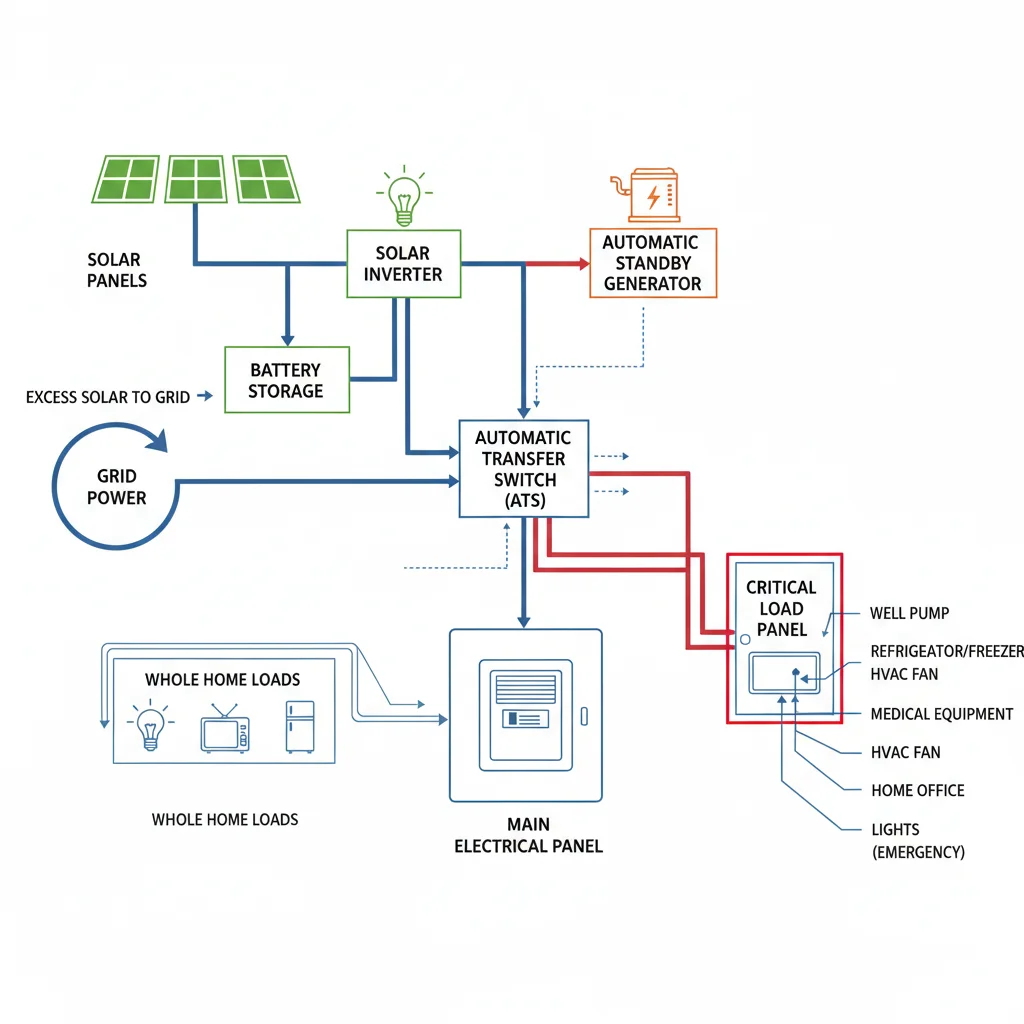
- Standby Generators: These permanently installed systems automatically kick in when grid power fails. They run on natural gas or propane and can power your entire home or selected critical circuits. Regular maintenance is key to their reliability.
- Portable Generators: More affordable and flexible, portable generators are suitable for powering essential appliances. They require manual setup and refueling. Ensure proper ventilation to prevent carbon monoxide poisoning.
- Battery Storage Systems (e.g., Tesla Powerwall, Enphase Encharge): Often paired with solar panels, these systems store excess solar energy or grid power for use during outages. They offer silent, emissions-free backup and can provide seamless transitions. The cost-effectiveness of these systems is improving rapidly.
2. Solar Power Integration
Integrating solar panels with battery storage offers an excellent path to energy independence and resilience. During a grid outage, a solar-plus-battery system can continue to power your home, effectively creating a ‘microgrid’ for your property. This not only enhances home service protection but also reduces your carbon footprint and electricity bills.
3. Uninterruptible Power Supplies (UPS)
For critical electronics like computers, internet routers, and medical devices, a UPS provides immediate, short-term power, allowing you to safely shut down equipment or bridge brief flickers. They are essential for preventing data loss and maintaining connectivity.
Water Service Protection: Ensuring a Continuous Supply
While less common than power outages, disruptions to water supply can be equally debilitating. Home service protection for water involves both supply and quality.
1. Emergency Water Storage
Maintain a supply of potable water for drinking and basic hygiene. Experts recommend at least one gallon per person per day for a minimum of three days. This can be stored in sealed containers or purchased bottled water.
2. Water Filtration Systems
In situations where tap water is available but not safe to drink (e.g., boil water advisories), a robust water filtration system (e.g., whole-house filter, portable filter, or purification tablets) becomes invaluable.
3. Well and Pump Maintenance
If your home relies on a well, ensure your pump system is regularly maintained. Consider a backup power source (generator or solar) specifically for your well pump to ensure water access during power outages.
Internet and Communication Resilience
In today’s digital age, internet connectivity is almost as crucial as electricity. Losing internet can disrupt work, education, and access to emergency information. Effective home service protection includes strategies for communication continuity.
1. Cellular Hotspots and Mobile Data
Ensure your mobile devices have sufficient data plans to act as hotspots if your primary internet service goes down. Keep devices charged or have portable power banks ready.
2. Satellite Internet (for remote areas)
For homes in rural or remote areas prone to terrestrial internet outages, satellite internet can offer a reliable, albeit more expensive, alternative.
3. Redundant Internet Service Providers (ISPs)
If feasible, having a backup ISP (e.g., a DSL connection if your primary is cable, or a fixed wireless service) can provide an additional layer of redundancy. This is a more advanced step in home service protection.
4. Landline Phones
While increasingly rare, a traditional landline phone (not VoIP) can still function during power outages, providing a reliable communication channel.
Heating and Cooling Preparedness
Extreme temperatures can be dangerous during prolonged outages. Your home service protection plan should address how to maintain safe indoor temperatures.
1. Alternative Heating Sources
- Wood Stoves/Fireplaces: If you have one, ensure it’s regularly inspected and has a supply of seasoned wood.
- Propane or Kerosene Heaters: Use these with extreme caution and always ensure adequate ventilation to prevent carbon monoxide buildup.
- Passive Solar Gain: During winter outages, open curtains on south-facing windows during the day to let sunlight in, and close them at night to retain heat.
2. Emergency Cooling Strategies
During summer outages, focus on passive cooling. Close curtains and blinds to block sunlight, open windows at night if it’s cooler outside, and use battery-operated fans. Have a plan to relocate to a cooler place if temperatures become unsafe.
Smart Home Technologies for Enhanced Home Service Protection
Modern smart home devices and systems can significantly enhance your home service protection strategy by providing monitoring, automation, and remote control capabilities.
1. Smart Plugs and Power Strips
These devices allow you to remotely monitor and control appliances, helping you manage energy consumption during an outage or prevent surges when power returns.
2. Smart Thermostats
While they rely on power, some smart thermostats have basic battery backup for settings. More importantly, they allow you to optimize energy usage, reducing strain on the grid and potentially extending battery backup life.
3. Leak Detectors and Water Sensors
These devices can alert you to water leaks, helping prevent costly damage and conserve water during a disruption. Early detection is crucial for effective home service protection.
4. Smart Home Hubs with Cellular Backup
Some advanced smart home systems offer cellular backup for their communication, ensuring that you receive alerts and can control critical devices even if your internet is down.
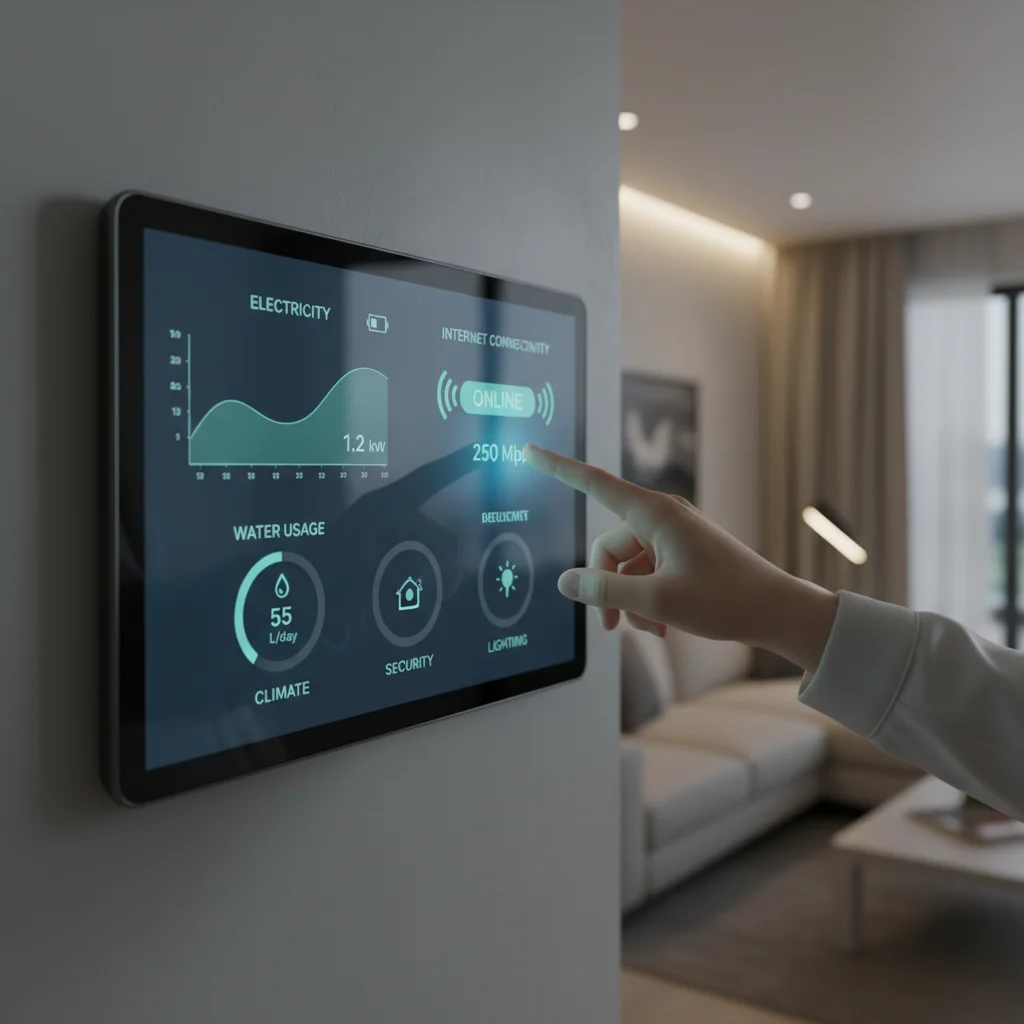
5. Integrated Home Monitoring Systems
These systems can monitor your home’s vital signs—temperature, humidity, CO2 levels, and even power consumption—and send alerts to your phone. This allows for proactive intervention and real-time awareness, a key component of modern home service protection.
Developing Your Home Service Protection Emergency Plan
Technology and equipment are only part of the equation. A well-thought-out emergency plan is essential for effective home service protection. This plan should be communicated to all household members and practiced regularly.
1. Assemble an Emergency Kit
Your kit should include:
- First-aid supplies, prescription medications, and any necessary medical equipment.
- Flashlights, headlamps, and extra batteries.
- A hand-crank or battery-powered radio for NOAA weather alerts.
- Non-perishable food and water (at least 3-7 days supply).
- Manual can opener.
- Moist towelettes, garbage bags, and plastic ties for personal sanitation.
- Whistle to signal for help.
- Dust mask to help filter contaminated air.
- Wrench or pliers to turn off utilities.
- Local maps.
- Chargers and power banks for mobile phones.
2. Create a Communication Plan
Designate an out-of-state contact person who all family members can check in with if local communication lines are overwhelmed. Teach children how to use emergency communication methods. Keep a written list of important phone numbers.
3. Identify and Prioritize Critical Needs
Which appliances or services are absolutely essential for your family’s safety and well-being? This might include medical equipment, refrigeration for medicines, or heating/cooling for vulnerable individuals. Prioritizing these needs will guide your backup power strategy and resource allocation for home service protection.
4. Know How to Shut Off Utilities
Locate your main water shut-off valve, electrical breaker box, and gas shut-off valve. Know how to turn them off in an emergency to prevent further damage or hazards.
5. Practice and Review Regularly
Hold family drills and review your emergency plan at least once a year. Update your emergency kit and contact information as needed. This ensures that your home service protection strategy remains relevant and effective.
Long-Term Investments in Home Service Protection
Beyond immediate preparedness, consider long-term investments that enhance your home’s resilience and reduce its vulnerability to service disruptions.
1. Undergrounding Utility Lines
While often a municipal decision, advocate for or consider private options (where available) to underground power lines and communication cables leading to your home. This significantly reduces their susceptibility to wind, ice, and falling trees.
2. Hardening Your Home Against Weather
Invest in weather-resistant windows, reinforced roofs, and proper landscaping (e.g., trimming trees away from power lines) to minimize damage during extreme weather, thus indirectly boosting home service protection.
3. Energy Efficiency Upgrades
A well-insulated home with energy-efficient appliances requires less power to heat and cool, extending the life of backup power sources during an outage. This is a smart investment for both daily savings and emergency resilience.
4. Community Preparedness and Mutual Aid Networks
Connect with neighbors and local community groups to develop a collective preparedness strategy. Sharing resources, skills, and information can significantly enhance overall home service protection for an entire neighborhood.
The Role of Government and Utility Providers in 2026
While individual home service protection is vital, it’s also important to acknowledge the role of larger entities. By 2026, we anticipate continued efforts from governments and utility providers to:
- Modernize Infrastructure: Investments in smart grids, hardened infrastructure, and renewable energy integration will continue to improve overall reliability.
- Enhance Cybersecurity: Robust cybersecurity measures are critical to protect utility systems from malicious attacks.
- Improve Communication: Utilities are increasingly using multiple channels (apps, social media, traditional media) to communicate outage information and restoration timelines to customers.
- Promote Decentralized Energy: Policies supporting rooftop solar, community solar, and battery storage encourage a more resilient, distributed energy system.
However, even with these advancements, individual preparedness remains paramount. The ‘last mile’ of resilience often falls to the homeowner.
Key Considerations for Specific Service Disruptions
Power Outages: Beyond the Basics
Think about food safety. A full freezer can keep food safe for about 48 hours (24 hours if half full) if the door remains closed. A refrigerator can keep food safe for about 4 hours. Have coolers and ice ready for longer outages. Consider a small, dedicated solar charger for phones and other small devices.
Water Contamination or Loss: Health and Hygiene
Beyond drinking water, consider water for flushing toilets. If your water supply is cut, fill your bathtub with water as a reserve for flushing. Have hand sanitizer and wet wipes for personal hygiene. Remember that water purification tablets or a portable filter can make non-potable water safe for drinking in a pinch, but always verify the source.
Internet and Communication Failures: Staying Connected
Consider a crank-powered or solar-powered radio to receive local news and emergency broadcasts. Subscribe to local emergency alert systems (e.g., SMS alerts from your city or county). Keep a physical map of your area in case GPS is unavailable or unreliable.
Natural Gas Disruptions: Safety First
If you smell gas, or suspect a leak, evacuate immediately and call your gas company from a safe distance. Do not use electrical switches, phones, or anything that could create a spark. Know how to shut off your main gas supply if instructed by authorities or if you detect a leak and cannot get immediate help.
Conclusion: Embracing a Resilient Future with Home Service Protection
As we move into 2026 and beyond, the importance of robust home service protection cannot be overstated. The world is becoming more unpredictable, and our reliance on continuous utility access is only growing. By understanding the risks, implementing proactive strategies, and investing in resilient technologies, you can transform your home into a fortress against disruptions.
From backup power solutions and emergency water storage to smart home monitoring and comprehensive family plans, every step you take contributes to a more secure and comfortable living environment. The goal is not to live in fear of the next outage, but to live with the confidence that comes from being prepared. Start building your comprehensive home service protection plan today, ensuring peace of mind for you and your loved ones, no matter what challenges the future may bring.