Maximize Student Aid: FAFSA 2026 Updates for Parents

Understanding the FAFSA Updates for 2026: A Parent’s Guide to Maximizing Student Aid by 10%
The landscape of college financial aid is constantly evolving, and for parents navigating the complexities of funding their child’s higher education, staying informed is paramount. As we look towards the 2026-2027 academic year, significant FAFSA (Free Application for Federal Student Aid) updates are on the horizon, promising both challenges and opportunities. This comprehensive guide is designed specifically for parents, offering an in-depth look at the FAFSA 2026 updates and providing actionable strategies to help you maximize your student’s aid by a potential 10% or more.
The FAFSA is more than just a form; it’s the gateway to billions of dollars in federal grants, scholarships, work-study funds, and low-interest federal student loans. Understanding its nuances, especially with upcoming changes, is crucial for securing the best possible financial package for your child. Our goal is to demystify these FAFSA 2026 updates, empower you with knowledge, and equip you with practical tips to optimize your aid eligibility.
The Big Picture: What’s Changing in FAFSA 2026?
While some of the most significant FAFSA changes, such as the transition from the Expected Family Contribution (EFC) to the Student Aid Index (SAI), were introduced in prior cycles, the full impact and further refinements continue to unfold. The FAFSA 2026 updates will build upon these foundational shifts, making it essential for parents to grasp the current framework and anticipate future adjustments. The primary objective of these reforms is to simplify the application process and expand eligibility for federal student aid.
Key areas of change include:
- Simplified Application Process: The FAFSA form itself has been streamlined, aiming to make it less daunting for families to complete. Fewer questions and a more intuitive interface are intended to reduce errors and increase completion rates.
- New Eligibility Formula (SAI): The Student Aid Index (SAI) replaces the EFC. This is a critical distinction, as the SAI is not a dollar amount your family is expected to pay, but rather an index number used by financial aid administrators to determine aid eligibility. A lower SAI generally means more financial aid.
- Expanded Pell Grant Eligibility: The FAFSA Simplification Act aims to expand Pell Grant eligibility, particularly for students from low-income backgrounds. The new formula considers family size and income differently, potentially qualifying more students for this essential grant.
- Changes to Family Size Definition: The method for determining family size is now linked directly to tax information, specifically the number of dependents reported on a parent’s federal income tax return. This change can have a significant impact on SAI calculations.
- Treatment of Small Businesses and Family Farms: For the FAFSA 2026 updates, the net worth of small businesses and family farms (with 100 or fewer employees) must be reported as assets. This was previously exempt for many families, and its inclusion can affect aid eligibility.
- Divorced/Separated Parent Information: The FAFSA now requires financial information from the parent who provides the majority of the student’s financial support, rather than the parent with whom the student lives more than 50% of the time. This could be a significant change for many families.
Understanding these fundamental shifts is the first step in strategically approaching the FAFSA 2026 updates. Each change presents an opportunity to re-evaluate your financial planning and potentially adjust your approach to maximize student aid.
Decoding the Student Aid Index (SAI) for FAFSA 2026
The transition from EFC to SAI is arguably the most impactful change for families. While both are indices, the SAI calculation is different and can lead to varying outcomes for families with similar financial circumstances. The SAI can even be a negative number, ranging from -1500 to 999999, indicating a higher level of financial need. A negative SAI means that a student has a very high financial need and could be eligible for the maximum Pell Grant award.
Key Differences Between EFC and SAI:
- Number of Children in College: Under the old EFC formula, having multiple children simultaneously enrolled in college significantly reduced the EFC per child. With the SAI, this benefit has been eliminated. Each student’s SAI is calculated independently, meaning families with multiple children in college may see a higher net cost per child. This is a critical point for families to factor into their college savings and budgeting.
- Child Support: Previously, child support received was counted as untaxed income. Under the SAI, child support received is no longer reported as income, which could potentially lower a family’s SAI and increase aid eligibility. Conversely, child support paid is still considered a reduction in income, which also helps lower the SAI.
- Income Protection Allowances: The SAI calculation includes updated income protection allowances, which are amounts of income shielded from the aid calculation. These allowances have generally increased, meaning more of a family’s income is protected, potentially leading to a lower SAI.
- Asset Protection Allowance: Similar to income protection, asset protection allowances have also been adjusted. While the specifics can vary, generally, a portion of assets is protected from being counted in the SAI calculation.
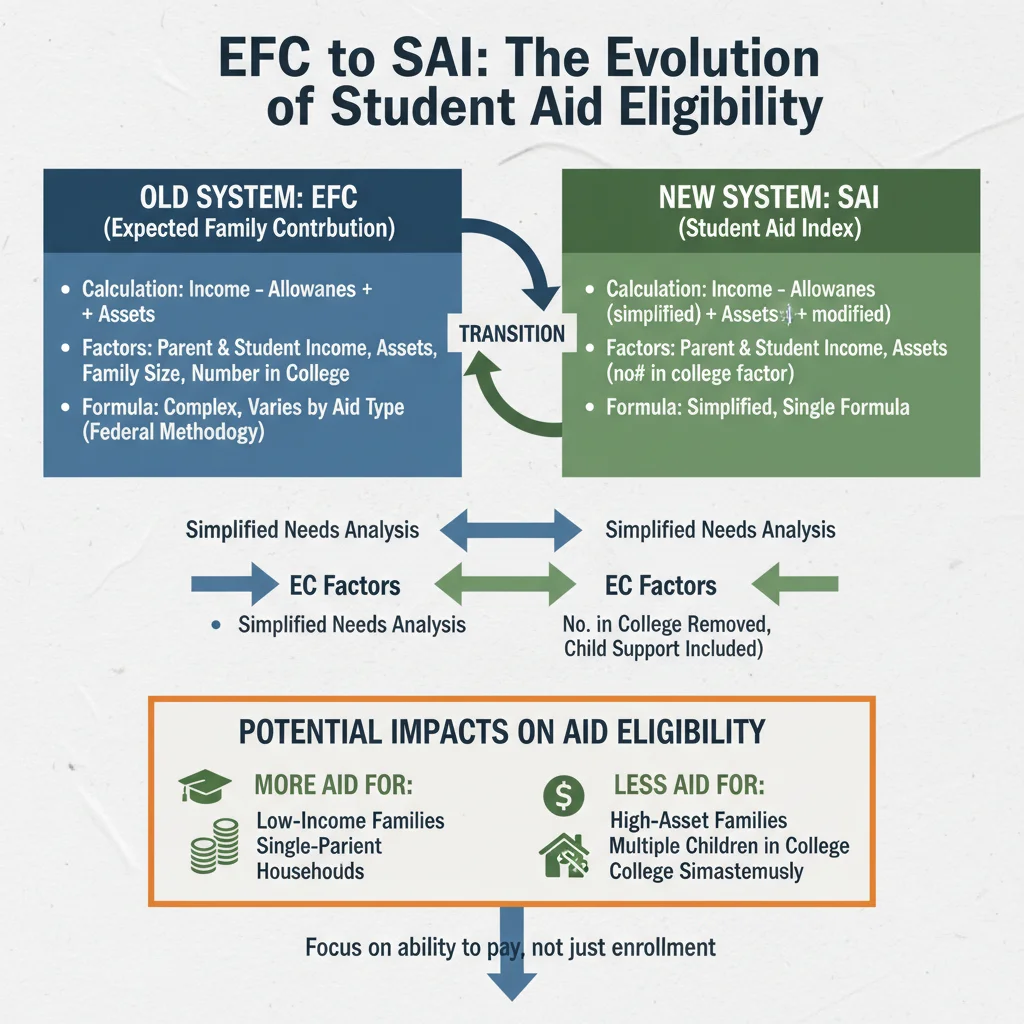
For parents, understanding the nuances of the SAI calculation is vital. It dictates how much federal aid your student qualifies for, and by extension, how much your family will need to contribute. Strategic financial planning around these FAFSA 2026 updates can make a substantial difference in your student’s aid package.
Strategies to Maximize Student Aid by 10% or More with FAFSA 2026 Updates
Achieving a 10% increase in student aid might seem ambitious, but with careful planning and an understanding of the FAFSA 2026 updates, it is an attainable goal. Here are actionable strategies for parents:
1. Strategic Income and Asset Management
The timing of asset and income reporting is critical. The FAFSA uses "prior-prior year" tax information, meaning for the 2026-2027 FAFSA, your income from the 2024 tax year will be used. This gives you a window to plan.
- Reduce Taxable Income: If possible, consider strategies to reduce your Adjusted Gross Income (AGI) in the "prior-prior year." This could include maximizing contributions to tax-deferred retirement accounts (401k, 403b, Traditional IRA), which are not counted as assets on the FAFSA and reduce your AGI.
- Manage Non-Retirement Assets: Assets held in non-retirement accounts (checking, savings, brokerage accounts, 529 plans owned by the parent) are assessed in the SAI calculation. Consider using these funds for necessary expenses or paying down high-interest debt before the FAFSA base year. While 529 plans owned by the parent are included, they are assessed at a lower rate than student-owned assets.
- Student-Owned Assets: Assets held directly in the student’s name (e.g., custodial accounts like UGMA/UTMA) are assessed at a much higher rate (20%) than parent assets (up to 5.64%). If feasible, transfer these assets to a parent-owned 529 plan or use them for allowable expenses before the FAFSA base year.
- Small Business and Farm Reporting (New for FAFSA 2026): As mentioned, the net worth of small businesses and family farms with 100 or fewer employees must now be reported. If you own such an entity, consult with a financial advisor to understand how this will impact your SAI and explore any legitimate strategies to minimize its effect.
2. Understand the Impact of Family Size and Household Structure
The FAFSA 2026 updates tie family size directly to the number of dependents on your tax return. Ensure your tax filing accurately reflects your household. For divorced or separated parents, remember the FAFSA now uses the financial information of the parent who provides the majority of financial support, regardless of where the student lives. This might require careful coordination between parents.
3. Proactive Engagement with Financial Aid Offices
Don’t wait until you receive an aid offer to engage with college financial aid offices. They are a valuable resource. Reach out early to:
- Understand Institutional Aid: Many colleges offer their own institutional grants and scholarships, which may have different eligibility criteria than federal aid. Some schools use the CSS Profile in addition to the FAFSA.
- Discuss Special Circumstances: If your family experiences significant financial changes (job loss, medical expenses, divorce, death of a parent) after filing the FAFSA, you can appeal your financial aid package. This is known as "professional judgment." The FAFSA 2026 updates emphasize the importance of professional judgment, giving financial aid administrators more flexibility to adjust aid in such cases. Document everything meticulously.
- Negotiate Aid Packages: While not guaranteed, some colleges may be willing to reconsider their aid offer, especially if you have competing offers from other institutions. Present your case respectfully and with factual information.
4. Explore All Avenues for Aid Beyond Federal FAFSA
Federal aid is just one piece of the puzzle. To maximize your student’s aid, you need to look at the broader landscape:
- Scholarships: Encourage your student to apply for as many scholarships as possible – local, state, national, institutional, and private. Scholarships are "free money" that doesn’t need to be repaid.
- State Aid: Many states offer their own grant and scholarship programs. Often, completing the FAFSA is a prerequisite for state aid, but some may require separate applications.
- Institutional Aid: As mentioned, colleges have their own funds. Research each prospective college’s specific aid policies and requirements.
- Work-Study Programs: Federal Work-Study allows students to earn money to help pay for educational expenses. It’s a great way for students to gain experience and contribute to their college costs without taking out additional loans.

Common Pitfalls to Avoid with FAFSA 2026 Updates
Even with the best intentions, families can make mistakes that negatively impact their aid eligibility. Be mindful of these common pitfalls:
- Missing Deadlines: This is perhaps the most critical mistake. Federal, state, and institutional FAFSA deadlines vary. Missing them can mean losing out on aid entirely. Always prioritize the earliest deadline.
- Inaccurate Information: Double-check all financial and demographic information. Errors can delay processing or lead to an incorrect SAI, potentially reducing your aid. Use the IRS Direct Data Exchange (DDX) to import tax information directly, minimizing errors.
- Not Completing the FAFSA: Some parents assume they won’t qualify for aid because their income is "too high." This is a dangerous assumption. Many factors go into the SAI calculation, and even higher-income families can qualify for some form of aid, particularly federal student loans, which are often a better option than private loans. Moreover, many scholarships and institutional grants require a completed FAFSA.
- Ignoring Special Circumstances: As discussed, life happens. Don’t assume your aid package is set in stone if your financial situation changes. Be proactive in communicating with financial aid offices.
- Misunderstanding Asset Reporting: Assuming certain assets are exempt when they are not (or vice versa) can lead to an inaccurate SAI. For example, while retirement accounts are generally exempt, the value of small businesses and family farms (with 100 or fewer employees) is now included.
Long-Term Financial Planning Beyond FAFSA 2026
While the FAFSA 2026 updates focus on the immediate aid cycle, effective college funding requires a long-term perspective. Consider these strategies:
- 529 College Savings Plans: These plans offer tax-advantaged growth and withdrawals for qualified education expenses. When owned by a parent, they are treated favorably on the FAFSA.
- Roth IRAs: While primarily retirement vehicles, contributions to a Roth IRA can be withdrawn tax-free and penalty-free for qualified education expenses. The assets within a Roth IRA are also not counted on the FAFSA.
- Financial Literacy for Students: Educate your children about the cost of college, the value of scholarships, and the implications of student loans. Empowering them with financial literacy can make them more engaged partners in the college funding journey.
- Professional Financial Guidance: A financial advisor specializing in college planning can offer personalized strategies tailored to your family’s unique situation, helping you navigate complex rules and optimize your financial aid potential.
The Impact of FAFSA 2026 Updates on Specific Family Situations
Let’s consider how the FAFSA 2026 updates might affect different family scenarios:
Families with Multiple Children in College
As noted, the elimination of the "multiple children in college" discount in the SAI calculation is a significant change. Previously, if you had two children in college, your EFC for each child might have been half of what it would be for a single child. Now, each child’s SAI is calculated independently. This means families will need to plan for a potentially higher financial contribution per child. Strategies here might include:
- Increased 529 Contributions: If you have multiple children approaching college age, accelerating your 529 contributions can be crucial.
- Targeting Schools with Strong Institutional Aid: Some private institutions may still offer their own "sibling discount" or factor in multiple children during their institutional aid calculations, even if the FAFSA doesn’t. Researching these schools can be beneficial.
- Exploring Merit-Based Aid: Encourage all children to pursue merit scholarships aggressively, as these are often not need-based and can help offset higher costs.
Divorced or Separated Parents
The shift to using the financial information of the parent who provides the most financial support (rather than the custodial parent) requires careful consideration. This might mean:
- Re-evaluating Support Arrangements: If one parent provides significantly more support, their income and assets will be the primary factors. This could lead to a higher or lower SAI depending on that parent’s financial situation.
- Open Communication: Both parents need to understand this new rule and potentially collaborate on providing the necessary financial documentation to the parent responsible for completing the FAFSA.
- Professional Guidance: In complex situations, consulting with a financial aid expert or family law attorney can help clarify responsibilities and optimize aid strategies.
Small Business Owners and Farmers
The inclusion of small business and farm net worth as an asset is a major change. This could significantly increase the SAI for families who previously had these assets excluded.
- Accurate Valuation: Ensure you have an accurate and defensible valuation of your business or farm’s net worth.
- Consult with an Accountant/Financial Planner: These professionals can help you understand the implications and explore legitimate ways to structure your finances to minimize the impact on your SAI, always within legal and ethical bounds.
- Distinguish Personal vs. Business Assets: Be clear about what constitutes personal assets versus bona fide business assets.
Navigating the FAFSA Form: Tips for FAFSA 2026 and Beyond
Even with a simplified form, attention to detail is key. Here are some tips for completing the FAFSA 2026:
- Gather Documents Early: Have all necessary documents ready before you start: tax returns (prior-prior year), W-2 forms, records of untaxed income, bank statements, investment account statements, and records of any other assets.
- Create an FSA ID: Both the student and one parent (the one providing financial information) will need an FSA ID. This serves as a username and password for federal student aid websites and acts as a legal signature. Create these well in advance, as verification can take a few days.
- Use the IRS Direct Data Exchange (DDX): This tool allows you to securely transfer your tax information directly from the IRS to your FAFSA form. It’s the most accurate and efficient way to provide tax data and can prevent errors.
- Answer All Questions Truthfully and Completely: Omitting information or providing inaccurate data can lead to delays, loss of aid, or even legal repercussions.
- Review Before Submitting: Carefully review every section of the FAFSA before submitting. Even small errors can cause big headaches.
- Submit Early: While the FAFSA has a federal deadline, state and institutional deadlines are often much earlier. Submitting as soon as the FAFSA opens (typically October 1st) ensures you don’t miss out on first-come, first-served aid.
Conclusion: Empowering Parents for FAFSA 2026 Success
The FAFSA 2026 updates represent a continued effort to streamline the financial aid process and expand access to higher education. For parents, these changes underscore the importance of proactive planning, diligent research, and strategic financial management. By understanding the shift to the Student Aid Index, managing income and assets wisely, engaging with financial aid offices, and exploring all available aid avenues, you can significantly enhance your student’s financial aid package – potentially by 10% or more.
Remember, the journey to funding college is a marathon, not a sprint. Start early, stay informed, and don’t hesitate to seek professional guidance when needed. Your commitment to understanding these FAFSA 2026 updates will be a crucial factor in securing a brighter educational future for your child.