US Consumer Protection Laws 2026: Your Essential Guide
In an increasingly complex marketplace, understanding your rights as a consumer is more critical than ever. As we look towards 2026, the landscape of US Consumer Protection Laws continues to evolve, shaped by technological advancements, emerging market trends, and a persistent commitment to safeguarding individual interests. This comprehensive guide aims to demystify these crucial regulations, providing every resident with the knowledge needed to navigate the modern consumer environment with confidence.
The digital age has ushered in an era of unprecedented convenience, but it has also introduced new vulnerabilities. From online privacy concerns to sophisticated scams and the complexities of digital contracts, consumers face a myriad of challenges. Federal and state governments, along with dedicated agencies, are continuously working to update and enforce US Consumer Protection Laws to address these evolving threats. This article will delve into the core principles of consumer protection, highlight significant changes and trends expected in 2026, and empower you with practical advice on how to assert your rights effectively.
Understanding the Foundation of US Consumer Protection Laws
At its heart, US Consumer Protection Laws are designed to ensure fair business practices, protect consumers from deceptive and fraudulent activities, and provide avenues for redress when things go wrong. These laws cover a vast array of goods and services, including financial products, healthcare, automobiles, housing, and digital transactions. They are enforced by various federal agencies, such as the Federal Trade Commission (FTC), the Consumer Financial Protection Bureau (CFPB), and the Food and Drug Administration (FDA), alongside numerous state-level departments and attorneys general.
Key Pillars of Consumer Protection
- Truth in Advertising: Businesses are legally required to provide accurate and truthful information about their products and services. Misleading claims, false promises, and deceptive marketing practices are strictly prohibited under US Consumer Protection Laws.
- Product Safety: Manufacturers and sellers have a responsibility to ensure their products are safe for use. This includes clear labeling, warning of potential hazards, and the ability to recall defective products.
- Fair Lending Practices: Laws like the Truth in Lending Act (TILA) and the Fair Credit Reporting Act (FCRA) protect consumers in financial transactions, ensuring transparency in credit terms, accurate credit reporting, and protection against predatory lending.
- Privacy and Data Security: In an age where personal data is a valuable commodity, laws like the California Consumer Privacy Act (CCPA) and various federal regulations aim to give consumers more control over their personal information and protect it from breaches.
- Protection Against Unfair and Deceptive Practices (UDAP): This broad category encompasses a wide range of business conduct deemed harmful to consumers, including aggressive sales tactics, hidden fees, and bait-and-switch schemes.
The enforcement of these laws is crucial. When businesses violate these regulations, consumers have the right to seek remedies, which can range from refunds and damages to injunctions against illegal practices. Understanding these foundational principles is the first step toward effectively exercising your rights under US Consumer Protection Laws.
The Evolving Landscape: What to Expect in 2026 for US Consumer Protection Laws
The year 2026 is anticipated to bring continued evolution in US Consumer Protection Laws, driven by several key factors. The rapid pace of technological innovation, particularly in artificial intelligence (AI), machine learning, and the Internet of Things (IoT), presents both opportunities and challenges for consumers. Regulators are grappling with how to apply existing laws to new technologies and whether new legislative frameworks are needed.
Focus Areas for 2026:
- AI and Algorithmic Bias: As AI becomes more integrated into services like credit scoring, hiring, and personalized marketing, concerns about algorithmic bias and fairness are growing. Expect increased scrutiny and potential regulations aimed at ensuring AI systems do not lead to discriminatory outcomes for consumers.
- Data Privacy and Security: The push for stronger data privacy protections is likely to continue. While federal legislation like the American Data Privacy and Protection Act (ADPPA) has faced hurdles, state-level initiatives are gaining momentum. Consumers can anticipate more robust rights regarding data access, deletion, and the ability to opt out of data sharing. The implications of data breaches and the responsibility of companies to protect sensitive information will remain a paramount concern under US Consumer Protection Laws.
- Fintech and Digital Currencies: The rise of financial technology (Fintech) and digital currencies introduces new regulatory complexities. Agencies like the CFPB and the Securities and Exchange Commission (SEC) are likely to enhance oversight to protect consumers from fraud, volatile investments, and opaque practices in these burgeoning sectors.
- Subscription Traps and Dark Patterns: Businesses employing “dark patterns” – deceptive user interface designs that trick users into making unintended decisions, such as signing up for recurring subscriptions that are hard to cancel – will face increased regulatory pressure. The FTC has been actively targeting these practices, and this trend is expected to intensify, strengthening US Consumer Protection Laws in this area.
- Greenwashing and Environmental Claims: With growing consumer awareness of environmental issues, businesses are increasingly making “green” claims about their products. Regulators are becoming more vigilant about “greenwashing,” where companies make unsubstantiated or misleading environmental claims. Expect stricter guidelines and enforcement to ensure truthfulness in environmental marketing.
Staying abreast of these emerging trends is crucial for consumers to proactively protect themselves. The proactive approach of regulatory bodies in adapting US Consumer Protection Laws to these new challenges underscores the dynamic nature of this legal field.
Your Rights as a Consumer in 2026 Under US Consumer Protection Laws
Understanding your fundamental rights is the cornerstone of effective consumer protection. While specific laws may vary by state, several core rights are universally recognized and enshrined within US Consumer Protection Laws:
- The Right to Safety: To be protected against products and services that are hazardous to health or life.
- The Right to Be Informed: To be given the facts needed to make an informed choice, and to be protected against dishonest or misleading advertising or labeling.
- The Right to Choose: To be assured access to a variety of products and services at competitive prices with an assurance of satisfactory quality.
- The Right to Be Heard: To have consumer interests represented in the making and execution of government policy, and in the development of products and services.
- The Right to Redress: To receive a fair settlement of just claims, including compensation for misrepresentation, shoddy goods, or unsatisfactory services.
- The Right to Consumer Education: To acquire the knowledge and skills necessary to make informed, confident choices about goods and services, while being aware of basic consumer rights and responsibilities and how to act on them.
- The Right to a Healthy Environment: To live and work in an environment that is non-threatening to the well-being of present and future generations.
These rights form the bedrock upon which all US Consumer Protection Laws are built. Empowering yourself with this knowledge allows you to identify when your rights have been violated and take appropriate action.
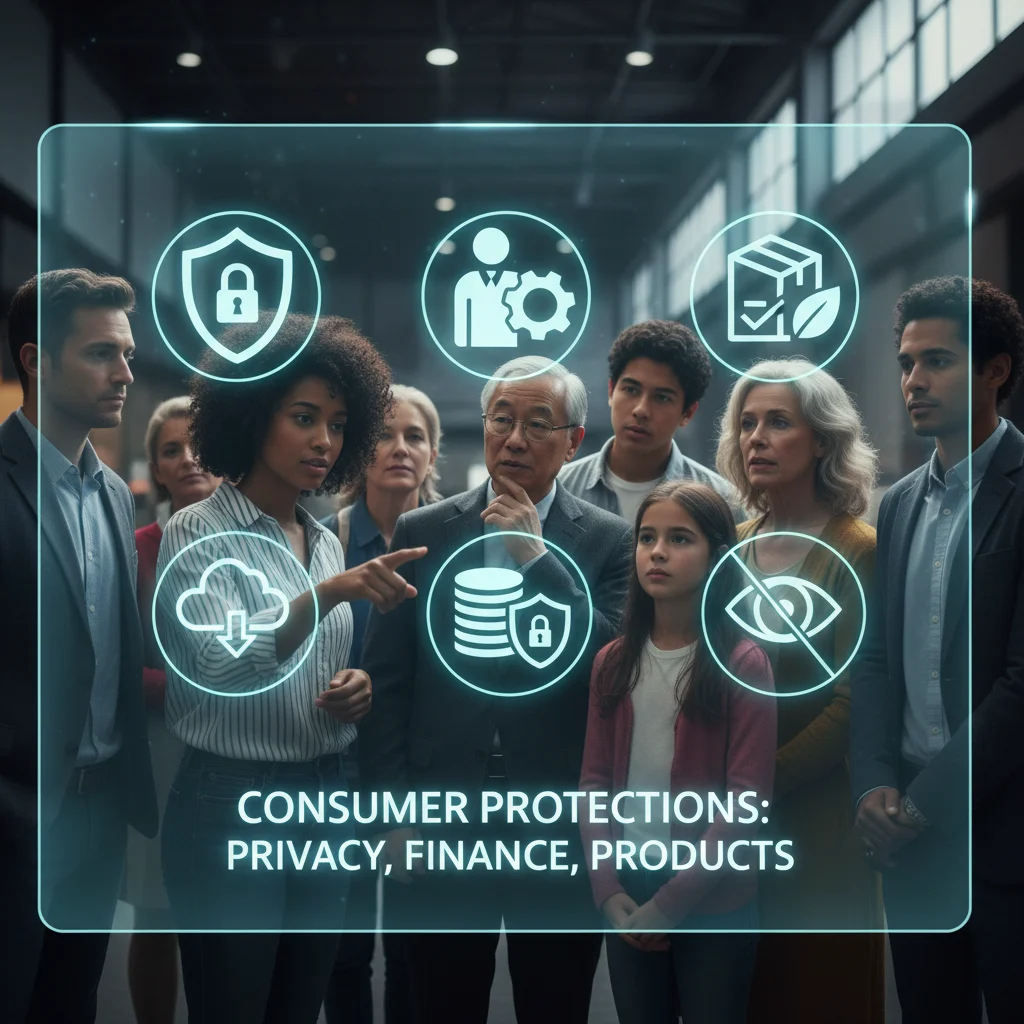
Specific Areas of US Consumer Protection Laws and Their 2026 Outlook
Financial Consumer Protection
The Consumer Financial Protection Bureau (CFPB) plays a pivotal role in protecting consumers in the financial marketplace. In 2026, expect the CFPB to continue its focus on:
- Credit Reporting Accuracy: Ensuring that credit bureaus maintain accurate records and providing consumers with mechanisms to dispute errors.
- Debt Collection Practices: Regulating debt collectors to prevent harassment, deceptive practices, and unfair treatment.
- Mortgage and Lending Transparency: Requiring clear disclosures for mortgages, student loans, and other credit products to prevent predatory lending.
- Digital Payments and Fintech: Expanding oversight to cover new payment systems and financial technologies, ensuring they adhere to principles of fairness and transparency.
Data Privacy and Cybersecurity
Data privacy is perhaps one of the most dynamic areas of US Consumer Protection Laws. While a comprehensive federal privacy law remains elusive, states are stepping up. In 2026:
- State Privacy Laws: More states are likely to enact their own versions of privacy laws, similar to California’s CCPA/CPRA, Virginia’s CDPA, and Colorado’s CPA. This creates a complex patchwork of regulations for businesses and varying rights for consumers depending on their location.
- Biometric Data Protection: Expect increased focus on regulating the collection and use of biometric data (fingerprints, facial recognition, etc.), given its sensitive nature.
- Data Breach Notification: Continued emphasis on timely and transparent notification to consumers in the event of a data breach, along with enhanced security requirements for companies handling personal data.
Product Safety and E-commerce
The rise of e-commerce and global supply chains introduces unique challenges for product safety. US Consumer Protection Laws in this area will likely see:
- Online Marketplace Accountability: Increased pressure on online marketplaces to take more responsibility for the safety of products sold on their platforms, including third-party sellers.
- AI in Product Quality Control: The use of AI to monitor product quality and identify potential safety risks before they reach consumers.
- Recall Effectiveness: Efforts to improve the speed and effectiveness of product recalls, especially for items sold online.
Deceptive Advertising and Marketing
The Federal Trade Commission (FTC) is the primary enforcer against unfair, deceptive, or abusive acts or practices. In 2026, the FTC will likely continue to target:
- Influencer Marketing Disclosures: Ensuring influencers clearly disclose their relationships with brands.
- Subscription Service Transparency: Cracking down on hidden fees and difficult cancellation processes.
- Misleading Health and Wellness Claims: Vigorously pursuing companies making unsubstantiated claims about health products, supplements, and wellness services.
- Deepfakes and Synthetic Media: Addressing the use of AI-generated content (deepfakes) in advertising to prevent consumer deception.
How to Protect Yourself: Practical Steps for Consumers in 2026
Navigating the complex world of consumer transactions requires vigilance and proactive steps. Here’s how you can best protect your interests under the evolving US Consumer Protection Laws:
- Be an Informed Consumer: Before making significant purchases or signing contracts, research the product, service, and company. Read reviews, compare prices, and understand the terms and conditions.
- Read the Fine Print: This is especially crucial for contracts, warranties, privacy policies, and terms of service. Don’t hesitate to ask questions if something is unclear.
- Protect Your Personal Data: Be mindful of what information you share online. Use strong, unique passwords, enable two-factor authentication, and regularly review your privacy settings on social media and other platforms. Be wary of unsolicited requests for personal information.
- Monitor Your Financial Accounts: Regularly check your bank statements, credit card bills, and credit reports for any unauthorized activity. Utilize free annual credit reports from AnnualCreditReport.com.
- Document Everything: Keep records of purchases, receipts, contracts, warranties, and any communication with businesses. This documentation will be invaluable if you need to file a complaint.
- Be Skeptical of “Too Good to Be True” Offers: Scammers often prey on desperation or excitement. If an offer seems unrealistic, it probably is.
- Understand Return and Refund Policies: Before purchasing, especially online, familiarize yourself with the seller’s return, exchange, and refund policies.
- Secure Your Devices: Keep your operating systems, browsers, and security software up to date. Use antivirus and anti-malware programs to protect against cyber threats.
By adopting these practices, you can significantly reduce your risk of falling victim to deceptive practices and empower yourself within the framework of US Consumer Protection Laws.
What to Do If Your Consumer Rights Are Violated
Even with the best precautions, consumer issues can arise. Knowing the proper steps to take can make a significant difference in resolving your complaint effectively:
- Contact the Business Directly: Start by contacting the business to explain your problem and seek a resolution. Many issues can be resolved at this stage. Keep a record of who you spoke with, when, and what was discussed.
- Escalate Your Complaint: If the initial contact is unsuccessful, ask to speak with a supervisor or manager. If the company has a dedicated customer service or dispute resolution department, utilize those channels.
- File a Complaint with a Relevant Agency:
- Federal Trade Commission (FTC): For general consumer complaints, fraud, identity theft, and deceptive business practices. Visit reportfraud.ftc.gov.
- Consumer Financial Protection Bureau (CFPB): For issues related to financial products and services, including mortgages, credit cards, bank accounts, and student loans. File a complaint at consumerfinance.gov/complaint/.
- State Attorney General’s Office: Your state’s Attorney General often has a consumer protection division that handles a wide range of complaints. Search online for “[Your State] Attorney General consumer complaint.”
- Better Business Bureau (BBB): While not a government agency, the BBB can help mediate disputes with businesses and provides valuable information on business reliability.
- Industry-Specific Regulators: Depending on the nature of your complaint, other agencies might be relevant, such as the FDA for food and drug safety, the National Highway Traffic Safety Administration (NHTSA) for vehicle safety, or your state’s insurance department for insurance issues.
- Consider Legal Action: For significant disputes, you might consider consulting an attorney specializing in consumer law. They can advise you on your options, which may include small claims court or joining a class-action lawsuit.
The Role of Advocacy Groups and Consumer Education
Beyond government agencies, various non-profit advocacy groups play a vital role in strengthening US Consumer Protection Laws and empowering consumers. Organizations like Consumers Union (publisher of Consumer Reports) and the National Consumer Law Center conduct research, advocate for stronger laws, and provide valuable educational resources.
Consumer education is a continuous process. As markets and technologies evolve, so too must our understanding of how to navigate them safely. Many government agencies and non-profits offer free resources, guides, and workshops to help consumers stay informed about their rights and responsibilities. Taking advantage of these resources is a proactive step towards becoming a more resilient and protected consumer.
Conclusion: Empowering Consumers in 2026 with US Consumer Protection Laws
The world of commerce is constantly shifting, but the fundamental need for consumer protection remains constant. As we move into 2026, the framework of US Consumer Protection Laws will continue to adapt to new challenges, from the complexities of AI to the persistent threat of fraud and deceptive practices. By understanding your rights, staying informed about evolving regulations, and knowing how to assert your claims, you can empower yourself to make confident and secure choices in the marketplace.
This guide serves as a starting point for every resident to better comprehend and utilize the protections available to them. Remember, an informed consumer is a powerful consumer. Your vigilance and proactive engagement are key to upholding the principles of fairness and transparency that underpin all US Consumer Protection Laws. Stay educated, stay alert, and know that you have a robust system of laws and agencies designed to protect your interests.