Navigating the New 2026 Tax Brackets: A Guide to Optimizing Your Personal Income Tax Savings
As the calendar pages turn, so too do the rules governing our financial lives. For many, one of the most significant annual financial considerations is personal income tax. The year 2026 is poised to bring notable changes to the tax landscape, particularly concerning the 2026 tax brackets. Understanding these impending adjustments is not merely an exercise in compliance; it’s a critical step toward proactive financial planning and optimizing your personal income tax savings.
The tax code is a dynamic entity, subject to legislative shifts, economic pressures, and evolving societal needs. While the specifics of the 2026 tax brackets are still taking shape, historical patterns and current economic indicators provide valuable insights into what taxpayers can anticipate. This comprehensive guide will delve into the potential changes, their implications, and, most importantly, actionable strategies you can employ now to position yourself advantageously for the tax year 2026 and beyond.
Whether you’re a seasoned investor, a burgeoning entrepreneur, or simply an individual looking to make the most of your hard-earned money, staying informed about the 2026 tax brackets is paramount. Ignoring these changes could lead to missed opportunities for savings or, worse, unexpected tax liabilities. Our aim is to demystify the complexities and empower you with the knowledge needed to navigate the future tax environment with confidence.
Understanding the Foundation: How Tax Brackets Work
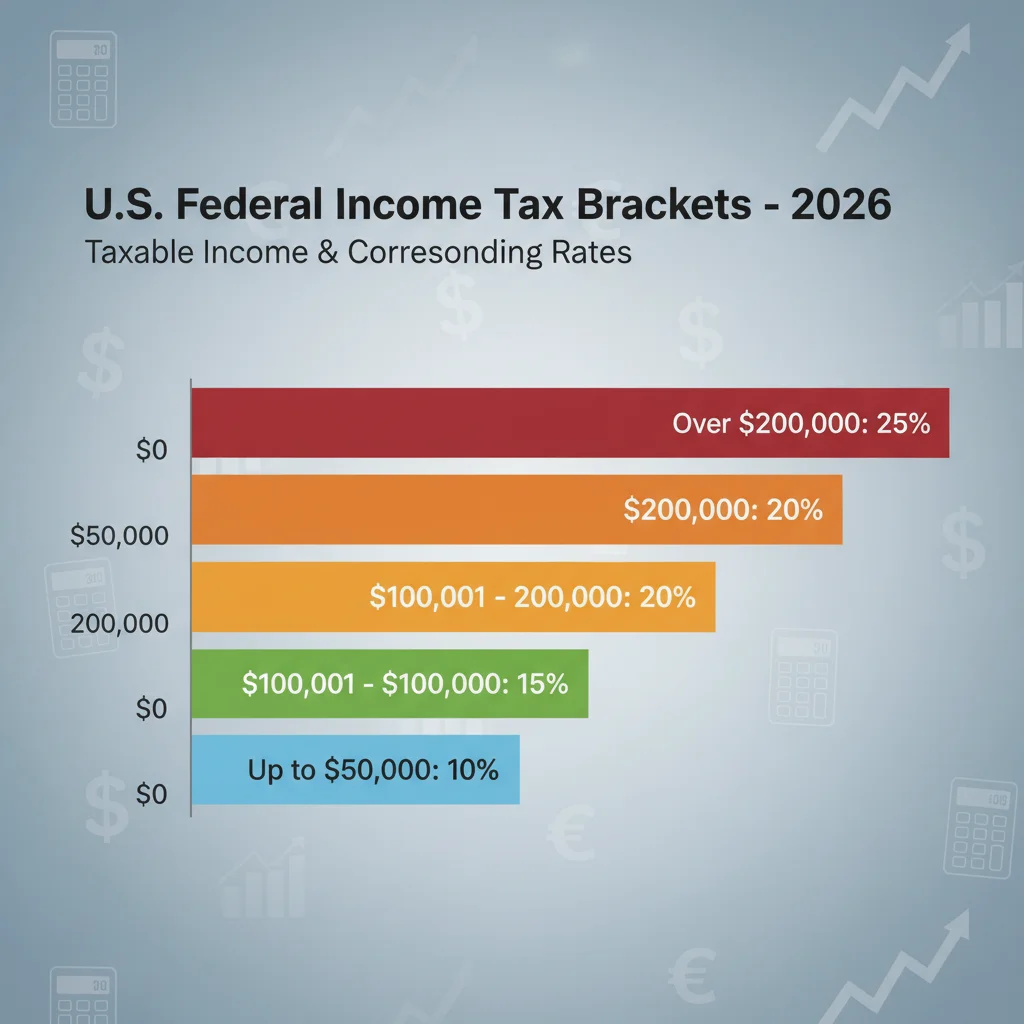
Before we dive into the specifics of the 2026 tax brackets, it’s essential to grasp the fundamental concept of how tax brackets function. The U.S. tax system operates on a progressive income tax model. This means that as your taxable income increases, it is subject to higher tax rates. However, it’s a common misconception that all of your income is taxed at the highest rate you fall into.
In reality, your income is divided into segments, and each segment is taxed at a different rate. For example, the first portion of your income is taxed at the lowest rate, the next portion at a slightly higher rate, and so on, until your highest income segment is taxed at the highest applicable rate. This tiered system is what we refer to as tax brackets. Each bracket has a defined income range and an associated marginal tax rate.
For instance, if the lowest tax bracket is 10% for income up to $10,000, and the next bracket is 12% for income between $10,001 and $40,000, someone earning $40,000 would not pay 12% on their entire $40,000. Instead, they would pay 10% on the first $10,000 and 12% on the remaining $30,000. This distinction is crucial for understanding how changes to the 2026 tax brackets could impact your overall tax liability.
Beyond the marginal rates, other factors influence your final tax bill, including deductions, credits, and filing status. Deductions reduce your taxable income, while credits directly reduce the amount of tax you owe. Filing status (e.g., single, married filing jointly, head of household) determines the income thresholds for each bracket and the standard deduction amount. All these elements interact to determine your effective tax rate – the actual percentage of your total income you pay in taxes. Keeping these components in mind will be vital as we explore strategies for optimizing your personal income tax savings under the new 2026 tax brackets.
Anticipated Changes to the 2026 Tax Brackets
The year 2026 holds particular significance due to the scheduled expiration of several provisions from the Tax Cuts and Jobs Act (TCJA) of 2017. While some aspects of the TCJA were permanent, many individual income tax provisions, including the current tax rates and brackets, are set to revert to pre-TCJA levels unless Congress acts to extend them. This potential sunsetting is the primary driver behind the anticipated changes to the 2026 tax brackets.
Potential Reversion to Pre-TCJA Rates
Under the TCJA, marginal tax rates for most income brackets were reduced. For example, the top individual income tax rate dropped from 39.6% to 37%. If these provisions expire as scheduled, we could see a return to higher rates across various income levels. This means that individuals might find themselves paying a higher percentage of their income in federal taxes for the same level of earnings, impacting their personal income tax savings.
Adjustments to Bracket Thresholds
In addition to rate changes, the income thresholds for each tax bracket are also subject to adjustment. Prior to the TCJA, tax bracket thresholds were indexed for inflation using the Consumer Price Index (CPI). The TCJA switched to a different inflation measure, the Chained Consumer Price Index (C-CPI), which typically grows at a slower rate. If the TCJA provisions expire, the indexing method could revert, or new legislation might introduce a different approach. These threshold adjustments can significantly shift where your income falls within the tax brackets, directly affecting your tax burden.
Impact on Standard Deduction and Personal Exemptions
The TCJA significantly increased the standard deduction and eliminated personal exemptions. The expiration of these provisions could mean a return to lower standard deduction amounts and the reintroduction of personal exemptions. A lower standard deduction would mean fewer taxpayers itemize, but for those who do, the threshold for itemizing might become more appealing. Understanding these shifts is crucial for calculating your taxable income and subsequently, your position within the 2026 tax brackets.
Other Expiring Provisions
Beyond the core tax brackets, several other TCJA provisions are slated to expire, which could indirectly influence your overall tax situation. These include changes to the deduction for state and local taxes (SALT cap), the child tax credit, and various business expense deductions for pass-through entities. While not directly part of the 2026 tax brackets themselves, these changes collectively contribute to your total tax liability and should be considered in your planning.
It’s important to stress that these are potential changes based on current law. Congress could intervene at any point to extend, modify, or permanently alter these tax provisions. Therefore, staying abreast of legislative developments will be as important as understanding the baseline changes to the 2026 tax brackets. Consulting with a qualified tax professional is always recommended for personalized advice.
Who Will Be Most Affected by the 2026 Tax Brackets?
The impact of the 2026 tax brackets and associated tax law changes will not be uniform across all taxpayers. While everyone will feel some effect, certain groups are likely to experience more significant shifts in their tax obligations. Understanding these differential impacts can help individuals and families proactively adjust their financial strategies.
High-Income Earners
If the marginal tax rates revert to pre-TCJA levels, high-income earners are likely to face the most substantial increases in their tax bills. The top individual income tax rate, which was reduced from 39.6% to 37% by the TCJA, could climb back up. This would mean a larger portion of their income is taxed at the highest rate, directly reducing their personal income tax savings. Moreover, changes to the SALT cap, if it expires or is modified, could also disproportionately affect high-income earners in high-tax states.
Families with Children
The TCJA significantly expanded the child tax credit, increasing its value and making more of it refundable. If these expansions expire, families with children could see a reduction in their available tax credits, leading to a higher overall tax liability. The reintroduction of personal exemptions might offer some relief, but it’s crucial for families to calculate the net effect on their personal income tax savings.
Small Business Owners and Pass-Through Entities
The TCJA introduced a 20% qualified business income (QBI) deduction for pass-through entities (e.g., sole proprietorships, partnerships, S corporations). This deduction is also scheduled to expire. Small business owners relying on this deduction could see a notable increase in their taxable income, impacting their overall tax burden under the new 2026 tax brackets. Strategic planning around business structure and income distribution will become even more critical.
Individuals in High-Tax States
The $10,000 cap on the deduction for state and local taxes (SALT) was a contentious provision of the TCJA. If this cap remains or is altered in an unfavorable way, individuals in states with high property and income taxes will continue to face limitations on their deductions, potentially increasing their federal income tax. Conversely, if the cap is lifted, many taxpayers in these states could see a reduction in their taxable income.
Ultimately, the specific impact will depend on an individual’s unique financial situation, including their income level, family structure, deductions, and credits. A thorough review of your personal financial landscape in light of the proposed 2026 tax brackets is essential to understand how these changes will affect you directly and to identify opportunities for optimizing your personal income tax savings.
Strategic Planning for Optimizing Your Personal Income Tax Savings
Proactive planning is the cornerstone of effective tax management, especially when significant changes like the new 2026 tax brackets are on the horizon. By implementing strategic financial adjustments now, you can mitigate potential negative impacts and maximize your personal income tax savings.
1. Maximize Retirement Contributions
Contributing to tax-advantaged retirement accounts like 401(k)s, 403(b)s, and traditional IRAs remains one of the most powerful strategies for reducing your taxable income. Contributions to these accounts are often tax-deductible, lowering your current year’s taxable income and potentially moving you into a lower tax bracket. As the 2026 tax brackets may feature higher rates, the value of these deductions could increase, making them even more attractive. Consider front-loading contributions early in the year to benefit from compounding growth and immediate tax savings.
2. Harvest Capital Gains (Carefully)
If capital gains rates are also expected to rise with the general income tax rates, you might consider realizing some long-term capital gains in years prior to 2026, assuming you are in a favorable tax bracket now. This is a complex strategy that requires careful analysis of your overall financial picture and market conditions. Conversely, if you have capital losses, using them to offset gains or a limited amount of ordinary income can also be beneficial.
3. Re-evaluate Itemized Deductions vs. Standard Deduction
With potential changes to the standard deduction and the reintroduction of personal exemptions, it’s critical to re-evaluate whether itemizing deductions makes sense for you. Keep meticulous records of all potential deductions, such as medical expenses, mortgage interest, and charitable contributions. If the SALT cap is lifted, itemizing could become more advantageous for many. A clear understanding of the new thresholds and rules for 2026 tax brackets will guide this decision.

4. Optimize Charitable Giving
Charitable contributions can offer significant tax benefits. Consider strategies like donor-advised funds (DAFs), which allow you to make a large, tax-deductible contribution in a high-income year and then distribute grants to charities over time. Qualified Charitable Distributions (QCDs) from IRAs for those over 70.5 can also be a tax-efficient way to give, as they reduce your taxable income directly. As tax rates potentially increase with the 2026 tax brackets, the tax benefit of charitable giving could become more pronounced.
5. Tax Loss Harvesting
Regularly review your investment portfolio for opportunities to engage in tax loss harvesting. This involves selling investments at a loss to offset capital gains and potentially a limited amount of ordinary income. This strategy can be particularly effective in volatile markets and helps manage your taxable investment income in anticipation of the 2026 tax brackets.
6. Consider Roth Conversions
If you anticipate being in a higher tax bracket in the future (e.g., due to higher rates under the 2026 tax brackets or increased income), a Roth conversion might be a smart move. You pay taxes on the converted amount now, at your current marginal rate, but future qualified withdrawals from the Roth account are tax-free. This strategy is most effective when you expect your tax rate to be higher in retirement than it is today.
7. Utilize Tax Credits
Familiarize yourself with all available tax credits, as they directly reduce your tax liability dollar-for-dollar. These can include credits for education, child and dependent care, energy-efficient home improvements, and more. While some credits may change with the expiration of TCJA provisions, new ones might emerge. Staying informed about credit availability is vital for maximizing your personal income tax savings.
8. Review Your Filing Status
Your filing status significantly impacts your standard deduction and tax bracket thresholds. Reviewing your marital status and dependent situation annually ensures you’re using the most advantageous filing status. For instance, if you recently married or had a child, your optimal filing status might change, affecting how the 2026 tax brackets apply to you.
Implementing these strategies requires careful consideration and often, professional guidance. The goal is to create a dynamic tax plan that adapts to legislative changes and your evolving financial circumstances, ensuring you optimize your personal income tax savings not just for 2026, but for years to come.
The Importance of Professional Guidance for 2026 Tax Brackets
While this guide provides a comprehensive overview of the anticipated changes to the 2026 tax brackets and strategies for optimizing your personal income tax savings, the complexities of tax law often necessitate professional expertise. The tax code is intricate, constantly evolving, and highly individualized in its application. A qualified tax advisor or financial planner can offer invaluable assistance in navigating this landscape.
Personalized Assessment
Every individual’s financial situation is unique. A tax professional can conduct a personalized assessment of your income, expenses, investments, and family structure to determine how the new 2026 tax brackets will specifically impact you. They can identify deductions and credits you might overlook and help you understand the nuances of various tax-advantaged accounts tailored to your goals.
Staying Ahead of Legislative Changes
As mentioned, the 2026 tax brackets are subject to potential legislative intervention. Tax laws can change rapidly, and staying informed can be a full-time job. Tax professionals are dedicated to keeping up-to-date with the latest developments, ensuring your planning incorporates the most current information. They can advise you on potential future changes and how to adapt your strategy accordingly.
Sophisticated Tax Planning Strategies
Beyond the basic strategies, there are more sophisticated tax planning techniques that can yield significant personal income tax savings. These might include advanced estate planning, business tax optimization, or strategies involving trusts and complex investment vehicles. A professional can help you explore these options and determine if they are suitable for your situation.
Error Prevention and Audit Support
The risk of errors on tax returns increases with complexity. A tax professional can ensure your returns are accurate and compliant with all relevant laws and regulations, minimizing the chance of audits or penalties. Should an audit occur, they can also provide expert representation and support.
Long-Term Financial Planning Integration
Tax planning should not be a standalone activity; it should be integrated into your broader long-term financial plan. A financial advisor can help you align your tax strategies with your retirement goals, investment objectives, and legacy planning, ensuring that decisions made today benefit your financial future. This holistic approach is essential for maximizing your personal income tax savings over your lifetime.
When choosing a tax professional, look for credentials such as Certified Public Accountant (CPA) or Enrolled Agent (EA). Ensure they have experience with situations similar to yours and can clearly explain complex tax concepts. The investment in professional guidance can often pay for itself many times over through optimized tax savings and peace of mind, especially as we approach the significant shifts brought about by the 2026 tax brackets.
Conclusion: Proactive Steps for 2026 Tax Brackets Readiness
The impending changes to the 2026 tax brackets represent a crucial juncture for personal financial planning. While the exact contours of the future tax landscape are still subject to legislative finalization, the scheduled expiration of key TCJA provisions signals a strong likelihood of significant shifts in marginal tax rates, bracket thresholds, and various deductions and credits. Ignoring these potential changes could result in suboptimal tax outcomes and missed opportunities for enhancing your personal income tax savings.
The core message is one of proactive engagement. Do not wait until 2026 to begin assessing your financial situation. Start now by:
- Educating Yourself: Understand the basics of how tax brackets work and the potential impacts of the anticipated changes.
- Reviewing Your Financials: Take stock of your income sources, deductions, credits, and investment portfolio.
- Implementing Strategies: Explore and apply actionable strategies such as maximizing retirement contributions, optimizing charitable giving, and considering Roth conversions.
- Seeking Professional Advice: Engage with a qualified tax advisor or financial planner to receive personalized guidance tailored to your unique circumstances. Their expertise can be invaluable in navigating the complexities and ensuring you make informed decisions.
The shift in the 2026 tax brackets is not just a challenge; it’s an opportunity. An opportunity to re-evaluate your financial strategies, make adjustments that align with your long-term goals, and ultimately, enhance your personal income tax savings. By taking deliberate and informed steps today, you can position yourself for financial resilience and success in the evolving tax environment of 2026 and beyond. Your financial well-being hinges on your preparedness, so embrace this moment as a catalyst for optimizing your tax strategy.