Water Infrastructure 2026: US Investment & Service Reliability
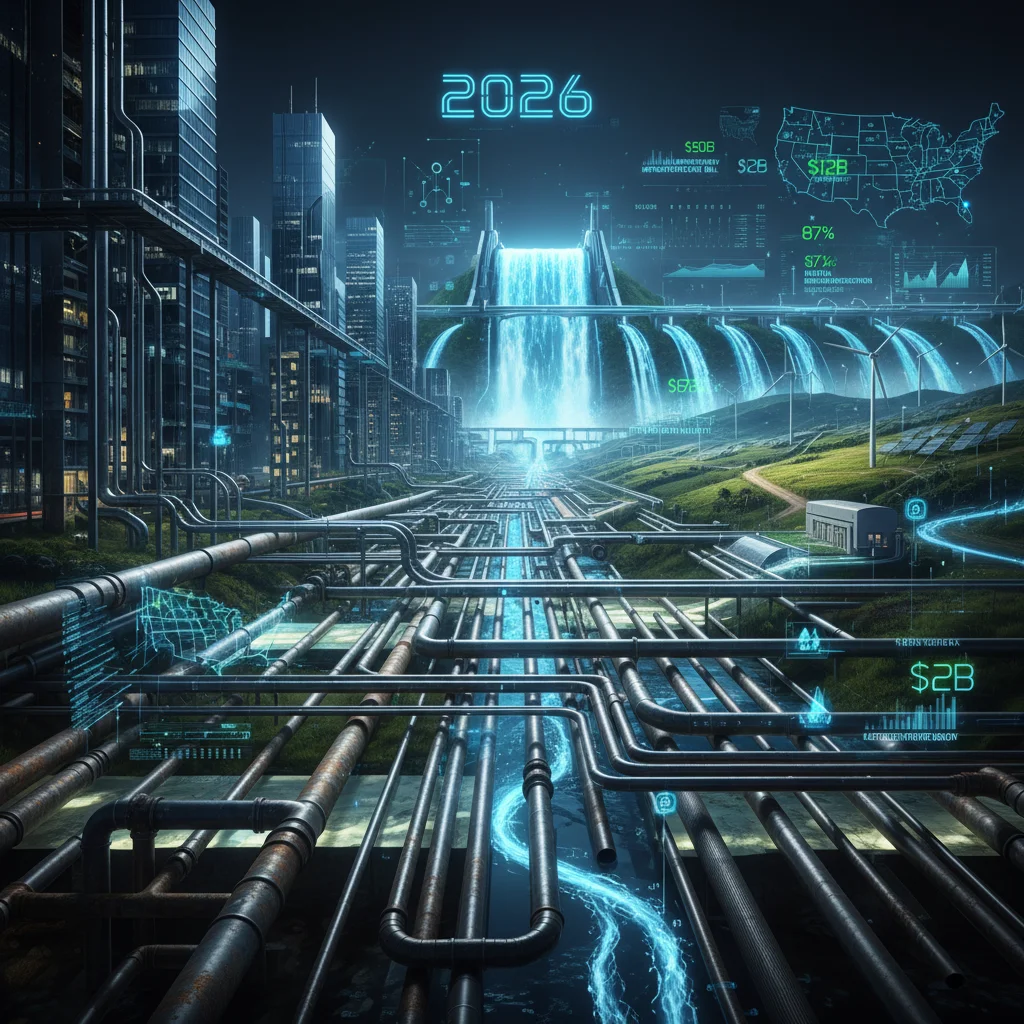
Water Infrastructure in 2026: Understanding US Investment and Its Impact on Service Reliability
The lifeblood of any thriving nation lies beneath its bustling cities and serene rural landscapes: its water infrastructure. As we look towards 2026, the state of US Water Infrastructure stands at a critical juncture, poised for significant transformation driven by unprecedented investment and a renewed focus on long-term resilience. For decades, the foundational systems that deliver clean drinking water and manage wastewater across the United States have faced challenges ranging from aging pipes and outdated treatment plants to the escalating threats of climate change.
However, recent legislative actions and a growing public awareness have ushered in an era of substantial investment, promising to reshape how Americans access and utilize water. This comprehensive overview will delve into the current landscape, the pivotal investments being made, and the anticipated impact on service reliability, public health, and environmental sustainability by 2026 and beyond. Understanding the intricacies of these developments is crucial for policymakers, industry professionals, and every citizen dependent on these vital services.
The Current State of US Water Infrastructure: A Foundation Under Pressure
Before we project into 2026, it’s essential to grasp the starting point. The American Society of Civil Engineers (ASCE) consistently grades US infrastructure, and water and wastewater systems have historically received concerning marks. Reports frequently highlight billions of gallons of treated water lost daily due to leaky pipes, hundreds of thousands of water main breaks annually, and numerous wastewater treatment facilities operating beyond their intended lifespan. This degradation isn’t just an inconvenience; it poses significant risks to public health, economic stability, and environmental integrity.
Many systems in older cities date back over a century, built with materials and designs that predate modern engineering standards and environmental considerations. Rural communities often struggle with limited resources, making it difficult to maintain and upgrade their smaller, often disparate, systems. The challenges are multifaceted: financial constraints, a shortage of skilled labor, the increasing frequency and intensity of extreme weather events, and the ever-present need to comply with evolving environmental regulations.
Moreover, the cost of inaction is staggering. Deferred maintenance leads to more expensive emergency repairs, service disruptions, and potential health crises. Contaminated water can lead to outbreaks of waterborne diseases, while inadequate wastewater treatment can pollute rivers, lakes, and oceans, harming ecosystems and recreational activities. The economic toll also extends to businesses that rely on a consistent and clean water supply, from manufacturing to agriculture.
The sheer scale of the problem has demanded a national response, recognizing that a robust US Water Infrastructure is not a luxury but a fundamental necessity for societal well-being and continued prosperity. This understanding has been a driving force behind the recent influx of investment, setting the stage for a transformative period leading up to and beyond 2026.
Key Investment Drivers: Federal Initiatives Paving the Way
The most significant catalyst for change in US Water Infrastructure has been the bipartisan Infrastructure Investment and Jobs Act (IIJA), signed into law in 2021. This landmark legislation allocated an unprecedented $55 billion specifically for water infrastructure improvements over five years, marking the largest federal investment in water in decades. This funding is distributed through various programs, primarily bolstering the Drinking Water State Revolving Fund (DWSRF) and the Clean Water State Revolving Fund (CWSRF).
The Role of State Revolving Funds (SRFs)
The DWSRF and CWSRF are critical mechanisms, providing low-interest loans and grants to communities for a wide range of water infrastructure projects. These funds support everything from replacing lead service lines and upgrading water treatment plants to improving wastewater collection systems and addressing stormwater management. The IIJA significantly increased the capitalization of these funds, allowing states to finance more projects and offer more favorable terms to struggling communities.
By 2026, we anticipate seeing a tangible impact from these enhanced SRFs. Projects that were once on hold due to lack of funding are now moving forward, creating jobs and improving public health. The focus on lead pipe replacement is particularly noteworthy, aiming to eliminate a pervasive health hazard that has plagued many older communities. This targeted investment will have a direct and measurable positive effect on drinking water quality for millions of Americans.
Addressing Emerging Contaminants
Beyond traditional infrastructure needs, the IIJA also earmarks significant funds for addressing emerging contaminants like Per- and Polyfluoroalkyl Substances (PFAS), often referred to as ‘forever chemicals.’ These substances are found in numerous consumer products and have contaminated water sources across the country, posing serious health risks. The investment enables communities to implement advanced treatment technologies and conduct necessary testing to identify and mitigate PFAS contamination.
By 2026, we expect to see a substantial increase in the number of communities actively monitoring for and treating PFAS, leading to safer drinking water supplies. This proactive approach to emerging threats demonstrates a forward-thinking strategy in modernizing US Water Infrastructure to meet future challenges.
Resilience and Climate Adaptation
Climate change is undeniably impacting water systems, with increased droughts, floods, and severe storms challenging existing infrastructure. The IIJA also allocates funds for projects that enhance climate resilience, such as nature-based solutions for stormwater management, aquifer recharge projects, and the protection of critical water sources. These investments are crucial for ensuring long-term service reliability in the face of a changing climate.
By 2026, many communities will have begun implementing these resilience measures, making their water systems more robust against environmental stressors. This includes upgrading flood protection for treatment plants, diversifying water sources, and investing in advanced monitoring systems that can provide early warnings for potential disruptions.
Technological Advancements and Smart Water Systems
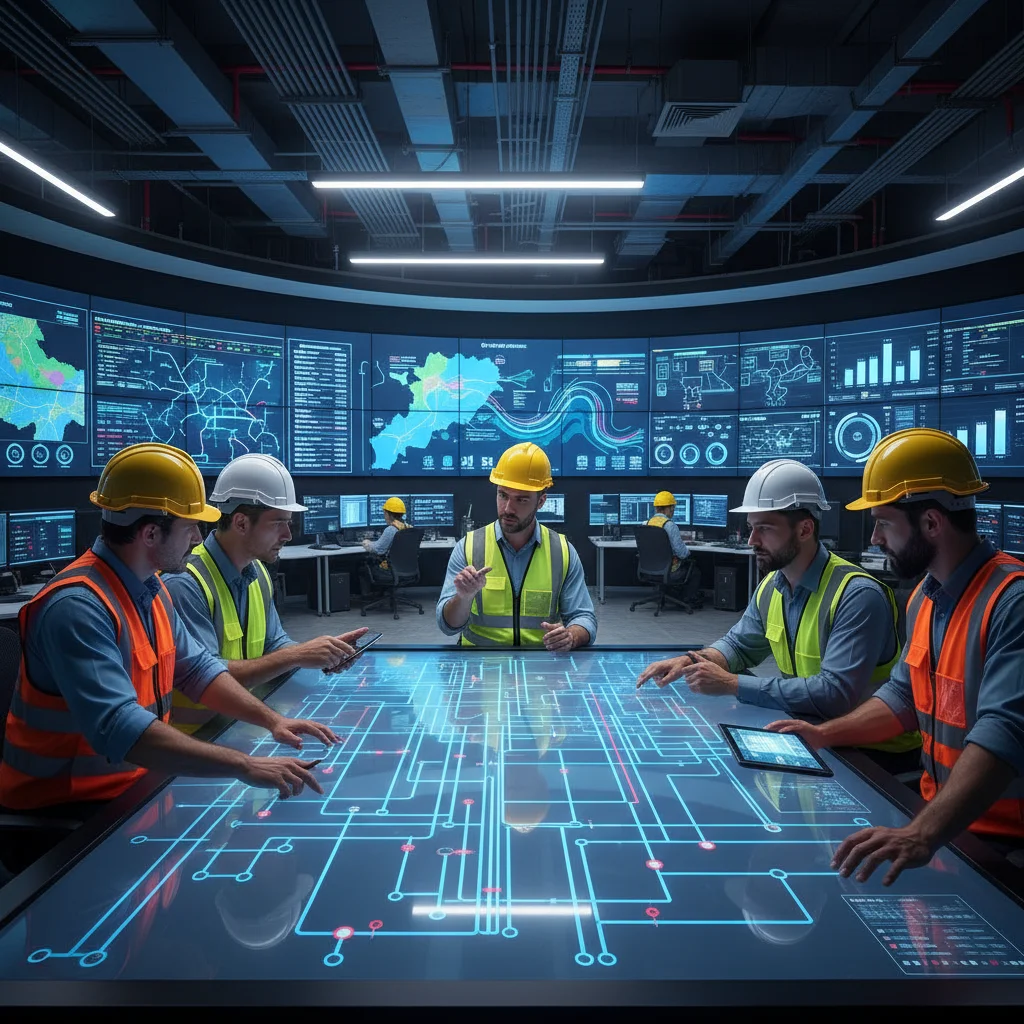
Investment in US Water Infrastructure extends beyond mere pipe replacement; it encompasses a significant push towards technological modernization. The concept of ‘smart water systems’ is gaining traction, integrating digital technologies to monitor, manage, and optimize water networks more efficiently. These advancements are pivotal for enhancing service reliability and operational efficiency.
Sensors and Real-Time Monitoring
By 2026, we anticipate a widespread adoption of advanced sensor technologies throughout water distribution networks. These sensors can detect leaks, monitor water quality parameters in real-time, and track flow rates, providing operators with immediate insights into system performance. This proactive monitoring allows for quicker identification and repair of issues, minimizing water loss and service disruptions. Imagine a system that can pinpoint a leak within minutes, rather than relying on visible signs of damage or customer complaints.
Such systems also enable predictive maintenance, where data analytics can forecast potential equipment failures or pipe bursts before they occur, allowing utilities to schedule repairs proactively rather than reactively. This shift saves money, reduces downtime, and significantly improves overall service reliability for consumers.
Artificial Intelligence and Machine Learning
The vast amounts of data generated by smart sensors can be harnessed through Artificial Intelligence (AI) and Machine Learning (ML) algorithms. These technologies can analyze complex patterns, identify anomalies, and optimize operational decisions. For example, AI can predict demand fluctuations, allowing treatment plants to adjust production accordingly, or optimize pumping schedules to reduce energy consumption.
By 2026, AI-driven platforms will likely be integral to the operations of many large and medium-sized water utilities. These systems can help manage pressure zones, detect illegal connections, and even predict water quality issues based on environmental factors. This level of sophistication will lead to unprecedented levels of efficiency and reliability in US Water Infrastructure management.
Cybersecurity for Water Systems
As water infrastructure becomes more digitized, cybersecurity becomes an increasingly critical concern. Protecting these vital systems from cyberattacks is paramount to maintaining service reliability and public trust. Investment in robust cybersecurity measures, including secure networks, intrusion detection systems, and employee training, is accelerating.
By 2026, utilities are expected to have significantly strengthened their cyber defenses, often in collaboration with federal agencies like the Cybersecurity and Infrastructure Security Agency (CISA). This proactive approach ensures that the benefits of smart water technologies are not undermined by vulnerabilities to malicious actors.
Impact on Service Reliability and Public Health by 2026
The cumulative effect of these investments and technological advancements will be a marked improvement in service reliability and public health across the nation. By 2026, Americans can expect to see several tangible benefits from the revitalization of US Water Infrastructure.
Reduced Water Main Breaks and Service Disruptions
With significant investments in pipe replacement and rehabilitation, coupled with smart monitoring systems, the frequency of water main breaks is expected to decrease. This means fewer boil water advisories, less property damage, and more consistent access to clean water for homes and businesses. The proactive nature of smart systems will allow for repairs to be scheduled during off-peak hours, further minimizing inconvenience.
Improved Drinking Water Quality
The focus on lead service line replacement and the treatment of emerging contaminants will directly translate into higher quality drinking water. Millions of Americans, particularly those in historically underserved communities, will no longer live with the threat of lead exposure from their taps. Enhanced treatment processes will ensure that water meets or exceeds federal safety standards, protecting against a wider range of pollutants.
Enhanced Wastewater Treatment and Environmental Protection
Upgraded wastewater treatment facilities will lead to cleaner discharge into rivers, lakes, and coastal waters. This will have profound positive impacts on aquatic ecosystems, biodiversity, and recreational opportunities. Reduced combined sewer overflows (CSOs) will also mean fewer instances of untreated wastewater entering waterways during heavy rain events, mitigating pollution and public health risks.
Greater Resilience to Climate Change
Investments in climate adaptation will make water systems more resilient to extreme weather. Communities will be better equipped to manage droughts through improved water conservation and alternative sourcing, and more capable of handling floods through enhanced stormwater management and protected infrastructure. This resilience ensures continuity of service even in challenging environmental conditions.
Challenges and the Path Forward Beyond 2026
While the outlook for US Water Infrastructure by 2026 is largely positive, significant challenges remain. The sheer scale of the historical underinvestment means that even with unprecedented federal funding, there is still a substantial funding gap. Continued political will and sustained investment will be crucial beyond the initial five-year IIJA allocation.
Workforce Development
A critical challenge is the aging workforce in the water sector. Many experienced operators and engineers are nearing retirement, and there is a need to attract and train the next generation of skilled professionals. Programs supporting vocational training, engineering degrees, and apprenticeship opportunities are essential to ensure that there are enough qualified individuals to build, operate, and maintain these modernized systems.
Equity and Access
Ensuring that the benefits of infrastructure improvements reach all communities, particularly those that have been historically disadvantaged, is paramount. Efforts must continue to prioritize funding for low-income communities, tribal lands, and rural areas that often face the greatest challenges in accessing safe and reliable water services. Addressing these disparities is a cornerstone of a truly equitable US Water Infrastructure system.
Sustainable Funding Models
While federal funding provides a vital boost, sustainable long-term funding models are necessary. This includes exploring options such as rate adjustments that reflect the true cost of water, innovative public-private partnerships, and continued state and local commitments. Educating the public about the value of water and the costs associated with its delivery and treatment is also crucial for garnering support for these funding mechanisms.
Innovation and Research
Continuous innovation in water treatment technologies, materials science for pipes, and data analytics will be necessary to stay ahead of emerging challenges. Investing in research and development will drive the next generation of solutions for water scarcity, quality, and resilience. Collaboration between academia, industry, and government will be key to fostering this innovation.

Conclusion: A Resilient Future for US Water Infrastructure
The journey to a fully modernized and resilient US Water Infrastructure is ongoing, but 2026 marks a significant milestone in this endeavor. The unprecedented federal investments, coupled with a renewed focus on smart technologies and climate resilience, are setting the stage for a future where clean, safe, and reliable water is a given for all Americans. While challenges persist, the commitment to addressing them is stronger than ever.
The transformation underway will not only safeguard public health and protect our environment but also underpin economic growth and enhance the overall quality of life. As we move forward, sustained effort, innovative thinking, and collaborative partnerships will be essential to build upon the foundation laid by these critical investments. The future of US Water Infrastructure is looking brighter, promising a more secure and sustainable water future for generations to come.