Essential Service Job Growth: Healthcare Support Roles Soar 15% by 2026

The landscape of employment is constantly shifting, influenced by technological advancements, demographic changes, and evolving societal needs. Amidst these dynamic forces, one sector consistently stands out for its enduring demand and projected growth: essential services. Specifically, healthcare support roles are poised for a remarkable expansion, with a projected 15% increase by 2026. This significant projection underscores a critical trend in our economy, highlighting both challenges and unparalleled opportunities for individuals seeking stable and impactful careers.
Understanding the Surge in Essential Service Job Growth
The term ‘essential services’ encompasses a broad range of occupations vital to the functioning of society. These roles are often non-discretionary, meaning their demand remains consistent regardless of economic fluctuations. Healthcare, public safety, utilities, and education are prime examples. The anticipated 15% surge in healthcare support roles by 2026 is not merely a statistic; it’s a reflection of deeper societal shifts and a testament to the indispensable nature of these professions.
Demographic Shifts: A Primary Driver
One of the most significant factors contributing to this essential service job growth is the aging global population. As life expectancies increase, so does the prevalence of chronic conditions and the need for long-term care. This demographic shift places immense pressure on the healthcare system, particularly in areas requiring direct patient support. Elderly individuals often require assistance with daily activities, medication management, and specialized therapeutic care, all of which fall under the purview of healthcare support professionals. This sustained demand is a foundational pillar supporting the robust growth projections.
Advancements in Medical Technology and Treatment
Paradoxically, medical advancements, while improving health outcomes, also contribute to the demand for healthcare support. New diagnostic tools, treatment modalities, and rehabilitation techniques require a skilled workforce to implement and manage. For instance, the rise of telehealth and home-based care models, while offering convenience, still necessitate a network of support staff to coordinate services, manage equipment, and provide direct assistance. The increasing complexity of healthcare, far from simplifying roles, often creates new specializations and expands the need for trained personnel.
Increased Awareness and Access to Healthcare
Enhanced public awareness regarding health and wellness, coupled with expanding access to healthcare services, also fuels demand. Policies aimed at universal healthcare coverage or initiatives promoting preventative care mean more people are interacting with the healthcare system. This increased engagement translates directly into a greater need for administrative, clinical, and personal care support staff. From medical receptionists to patient navigators, these roles are crucial in ensuring smooth and accessible healthcare delivery.
Key Healthcare Support Roles Experiencing Significant Growth
The 15% projected growth isn’t uniform across all healthcare professions. While doctors and nurses remain in high demand, the spotlight is increasingly on support roles that form the backbone of the healthcare infrastructure. Understanding these specific areas can guide career choices and workforce development initiatives.
Personal Care Aides and Home Health Aides
These roles are at the forefront of the demographic-driven demand. As more individuals prefer to age in place, the need for personal care aides and home health aides to assist with daily living activities, companionship, and basic medical care will continue to skyrocket. Their work is invaluable in maintaining the dignity and independence of countless individuals.
Medical Assistants
Medical assistants perform a crucial dual role, handling both administrative and clinical tasks in physicians’ offices, hospitals, and other healthcare facilities. Their versatility in scheduling appointments, updating patient records, taking vital signs, and assisting with examinations makes them indispensable. The efficiency they bring to healthcare practices directly impacts patient flow and quality of care.
Physical Therapist Aides and Occupational Therapist Aides
With an aging population and increasing rates of chronic conditions and injuries, rehabilitative services are in high demand. Physical therapist aides and occupational therapist aides work under the supervision of licensed therapists, assisting patients with exercises, preparing treatment areas, and managing equipment. Their support is essential for patients recovering from surgery, injury, or managing long-term disabilities.
Medical Records and Health Information Technicians
In an increasingly digital world, the accurate and secure management of patient data is paramount. Medical records and health information technicians organize and manage health information data, ensuring its quality, accuracy, accessibility, and security. Their expertise is vital for billing, insurance claims, and maintaining patient confidentiality, especially with the growing adoption of electronic health records (EHRs).
Dental Assistants
Oral health is intrinsically linked to overall well-being, and the demand for dental services remains strong. Dental assistants provide critical support to dentists, performing a variety of tasks from preparing patients for procedures and sterilizing instruments to assisting during examinations and educating patients on oral hygiene. Their role contributes significantly to the efficiency of dental practices and patient comfort.
Challenges and Opportunities in Essential Service Job Growth
While the projections for essential service job growth are overwhelmingly positive, they are not without their challenges. Addressing these challenges effectively will be crucial for realizing the full potential of this expanding sector.
Workforce Shortages and Training Needs
The rapid growth in demand often outpaces the supply of trained professionals. This can lead to workforce shortages, particularly in rural or underserved areas. To mitigate this, significant investment in education and training programs is required. Vocational schools, community colleges, and online platforms play a vital role in equipping individuals with the necessary skills and certifications for these roles.

Retention and Burnout
Many essential service roles, especially those involving direct patient care, can be physically and emotionally demanding. This can lead to high rates of burnout and turnover if not properly addressed. Strategies for improving retention include competitive wages, comprehensive benefits, opportunities for professional development, and robust support systems for employees.
Technological Integration and Skill Adaptation
The integration of new technologies, from AI-powered diagnostic tools to advanced medical devices, requires continuous skill adaptation. Healthcare support professionals must be willing to learn new systems and procedures to remain effective in their roles. Training programs need to evolve concurrently to ensure the workforce is equipped with up-to-date competencies.
Opportunities for Career Advancement and Specialization
Despite the challenges, the growth in essential services presents ample opportunities for career advancement. Many entry-level support roles can serve as stepping stones to more specialized positions or even higher-level healthcare professions. For example, a medical assistant might pursue further education to become a registered nurse, or a home health aide could specialize in dementia care. The diverse pathways available make these careers particularly attractive.
The Economic Impact of Expanding Essential Services
The robust essential service job growth has far-reaching economic implications. Beyond creating direct employment, it stimulates local economies, fosters innovation, and strengthens community resilience.
Job Creation and Economic Stability
A 15% increase in healthcare support roles translates into hundreds of thousands of new jobs. This significant job creation provides economic stability, particularly in regions where other industries may be declining. Essential service jobs are often recession-resistant, offering a reliable source of income for individuals and communities.
Investment in Education and Training Infrastructure
To meet the demand for skilled workers, there will be increased investment in educational and training institutions. This not only benefits students but also creates jobs for educators, administrators, and support staff within these institutions. It fosters a cycle of continuous learning and skill development that is vital for a competitive workforce.
Improved Public Health Outcomes
A well-staffed and efficient healthcare support system directly contributes to improved public health outcomes. By ensuring that patients receive timely and appropriate care, these professionals help prevent complications, manage chronic diseases, and promote overall wellness. This, in turn, reduces healthcare costs in the long run and improves the quality of life for the population.
Strategic Approaches to Capitalize on Essential Service Job Growth
For individuals, educational institutions, and policymakers, understanding how to strategically approach this growth is key to maximizing its benefits.
For Individuals: Career Planning and Skill Development
Prospective job seekers should research specific healthcare support roles that align with their interests and aptitudes. Investing in relevant certifications, vocational training, or associate’s degrees can significantly enhance employability. Networking with professionals in the field and seeking mentorship can also provide valuable insights and opportunities. Emphasizing soft skills such as empathy, communication, and problem-solving is also crucial, as these are highly valued in patient-facing roles.
For Educational Institutions: Curriculum Development and Partnerships
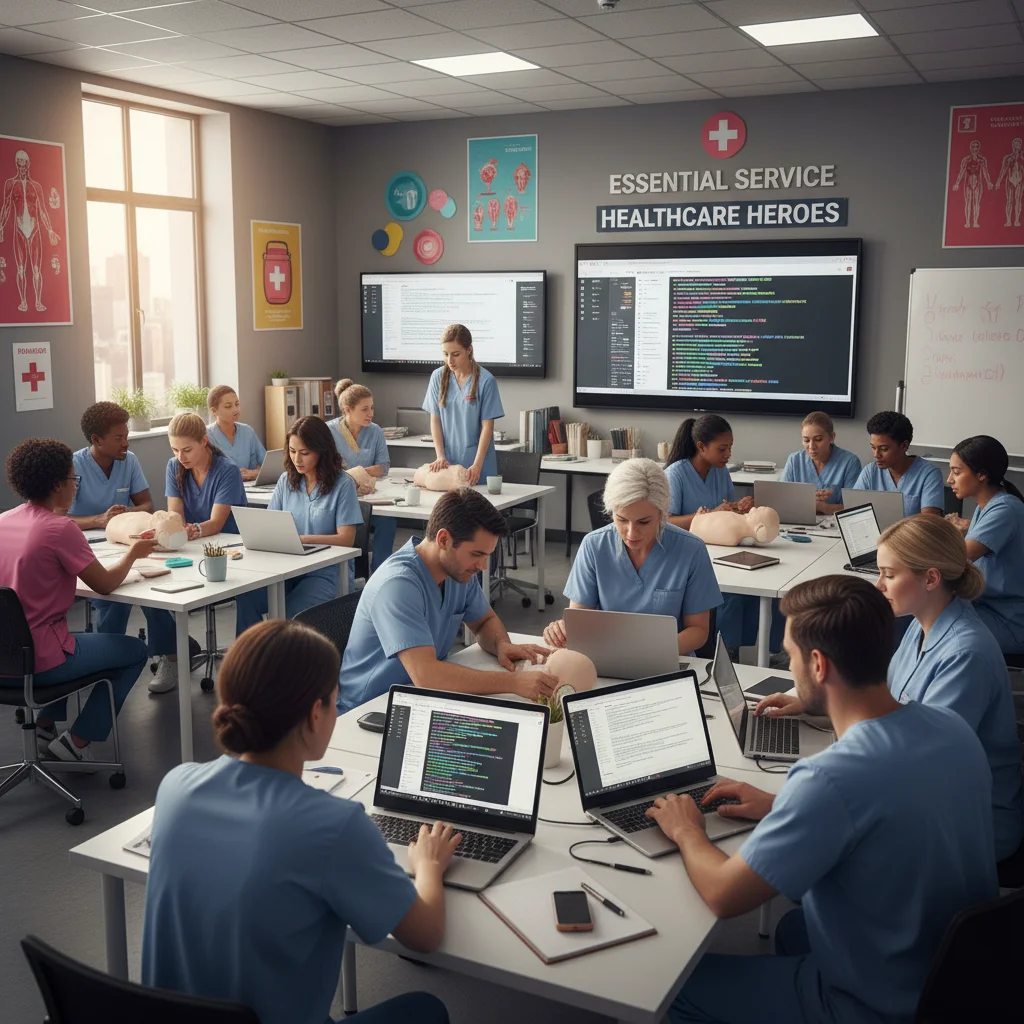
Educational institutions must proactively adapt their curricula to meet the evolving needs of the healthcare sector. This involves developing new programs, updating existing ones, and integrating practical, hands-on training. Forming partnerships with local healthcare providers for internships, externships, and clinical rotations is essential to provide students with real-world experience and facilitate seamless transitions into employment. Furthermore, offering flexible learning options, such as evening classes or online courses, can make education more accessible to a wider range of students, including those already working.
For Policymakers: Funding and Supportive Policies
Government and regulatory bodies have a critical role to play in supporting essential service job growth. This includes allocating funding for workforce development programs, offering incentives for healthcare professionals to work in underserved areas, and streamlining licensing and certification processes. Policies that promote fair wages, benefits, and safe working conditions are also vital for attracting and retaining talent in these demanding professions. Investing in digital infrastructure for telehealth and remote patient monitoring can also create new avenues for essential service delivery.
The Future of Essential Services: Beyond 2026
The 15% projected growth in healthcare support roles by 2026 is not an endpoint but rather a milestone in an ongoing trend. The factors driving this growth—demographic shifts, technological advancements, and a societal emphasis on health—are long-term forces that will continue to shape the job market for decades to come. The future of essential services will likely see even greater integration of technology, with AI and automation assisting, rather than replacing, human caregivers. The focus will remain on personalized care, preventative health, and community-based services, all of which rely heavily on a robust and skilled support workforce.
Furthermore, the lessons learned from recent global health crises have underscored the critical importance of a resilient and adaptable essential service workforce. Investment in preparedness, cross-training, and flexible staffing models will become increasingly vital. The roles within essential services will also likely become more specialized, requiring deeper expertise in areas like geriatric care, chronic disease management, and mental health support.
The demand for essential service workers extends beyond healthcare. While this article focuses on healthcare support, it’s important to remember that other essential sectors, such as education, public safety, and infrastructure maintenance, also face evolving demands and require continuous investment in their workforces. The principles of workforce development, skill adaptation, and supportive policies are universally applicable across all essential services.
Conclusion: A Resilient and Growing Sector
The projected 15% increase in essential service job growth, particularly within healthcare support roles, by 2026 paints a clear picture of a resilient, expanding, and critically important sector. This growth is a direct response to fundamental societal needs and demographic realities. While challenges such as workforce shortages and burnout exist, they are overshadowed by the immense opportunities for individuals seeking meaningful careers and for communities aiming to strengthen their economic and social fabric.
By understanding the drivers of this growth, identifying key roles, and implementing strategic approaches to education, training, and policy, we can ensure that the essential services sector continues to thrive. Investing in these vital professions is not just about creating jobs; it’s about investing in the health, well-being, and stability of our society as a whole. For those contemplating a career path or looking to make a significant impact, the essential services, especially in healthcare support, offer a future rich with purpose and potential.